
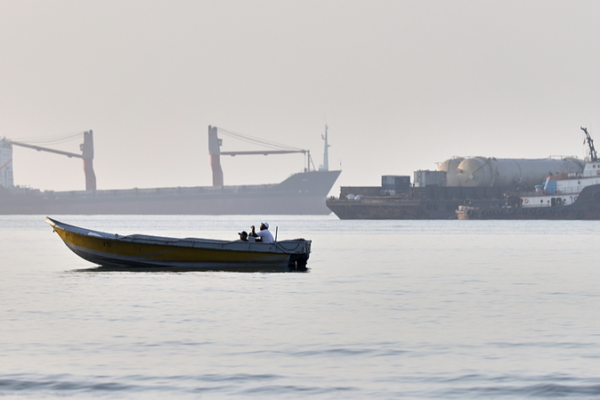
Oil Shock 2026: How the Strait of Hormuz Crisis is Driving Brent Crude to $87
Brent crude forecasts jump to $87 as the Strait of Hormuz faces severe disruptions following military strikes and tightened Iranian control.
News & Insights Across Asia
Brent crude forecasts jump to $87 as the Strait of Hormuz faces severe disruptions following military strikes and tightened Iranian control.
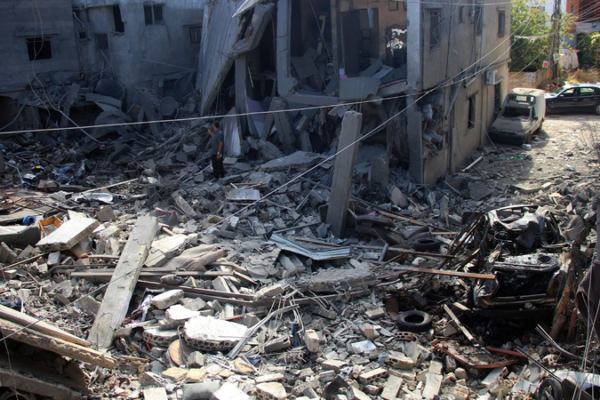
The UN warns millions more face acute hunger due to the conflict in Iran and surging oil prices, while humanitarian aid appeals for Lebanon have doubled.

President Trump hints at a potential US-Iran peace deal this weekend, but Tehran denies tangible progress amid rising tensions in the Gulf and climbing oil prices.
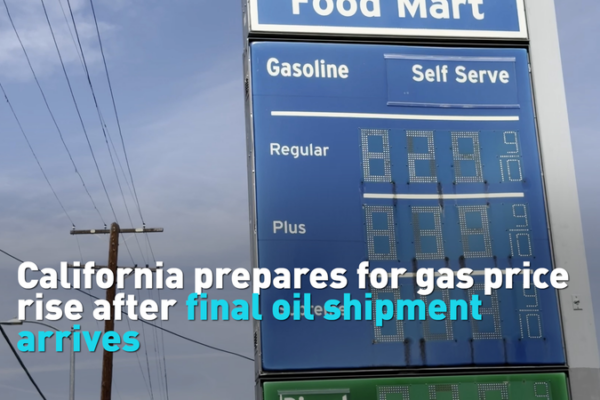
California anticipates gas price hikes as the final Middle Eastern oil shipment arrives and tensions involving Iran disrupt global energy supply chains.
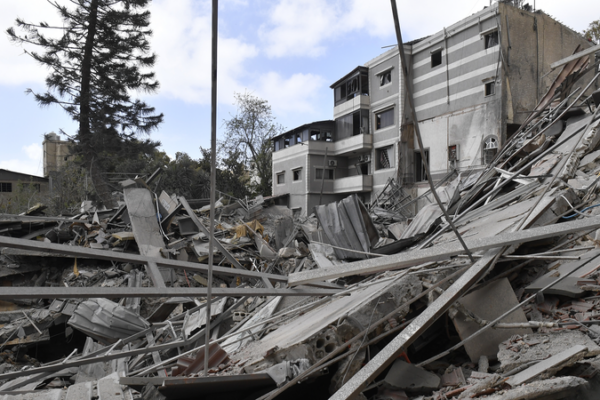
US-Iran negotiations remain deadlocked as Tehran rejects “excessive” demands, sparking oil price hikes and regional instability.
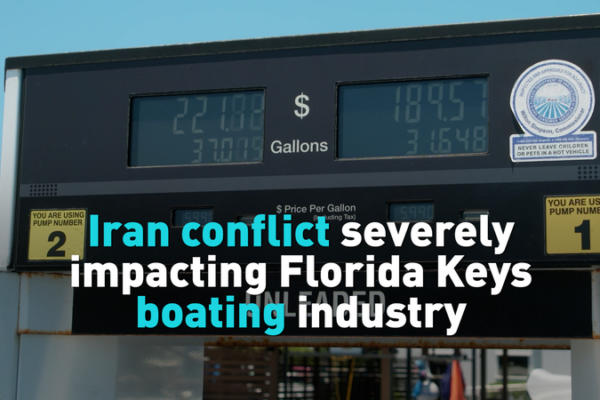
Global oil price hikes, triggered by the ongoing Iran conflict and rejected peace deals, are severely impacting boat operators in the Florida Keys.
Brent crude prices hitting $120/barrel have forced ASEAN leaders into emergency coordination to manage energy spillovers from Middle East conflicts.
Brent crude spikes to $120 per barrel, forcing ASEAN leaders into emergency coordination and testing the region’s momentum toward energy transition.
Brent crude prices nearing $120 per barrel are forcing ASEAN leaders into emergency coordination, testing the region’s energy transition momentum amidst Middle East volatility.
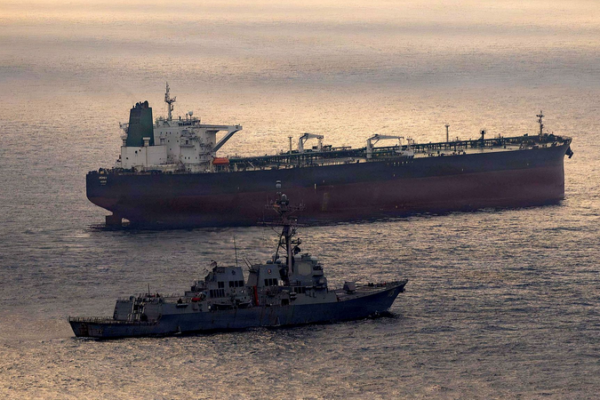
Renewed maritime clashes and missile attacks on the UAE threaten a fragile US-Iran ceasefire, sparking a rise in global oil prices and diplomatic urgency.
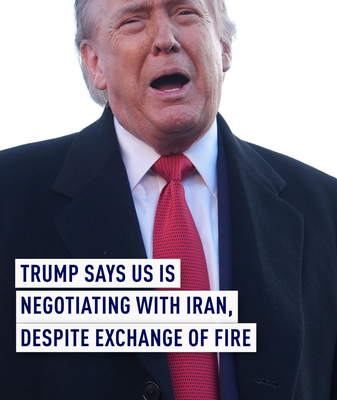
Clashes between US and Iranian forces in the Strait of Hormuz threaten a fragile ceasefire, impacting global oil prices and trapping thousands of crewmen in the Gulf.
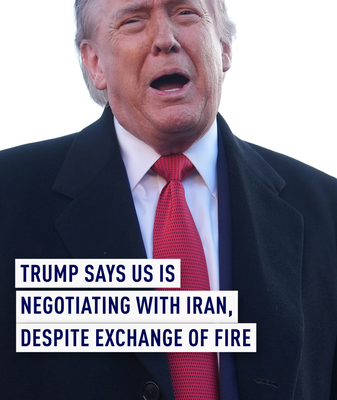
Military clashes in the Strait of Hormuz between US and Iranian forces have jolted oil markets and left thousands of seafarers trapped, threatening a fragile ceasefire.

Rising oil prices triggered by the conflict in Iran are pushing European drivers toward electric vehicles, accelerating a major shift in the region’s car sector.
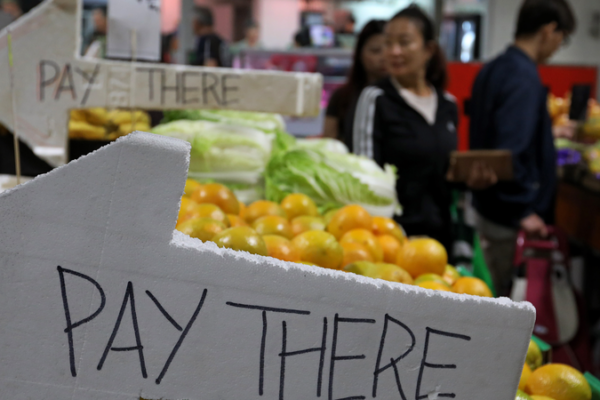
IMF Managing Director Kristalina Georgieva warns that prolonged Middle East conflict could push oil to $125 and slow global growth to 2% by 2027.
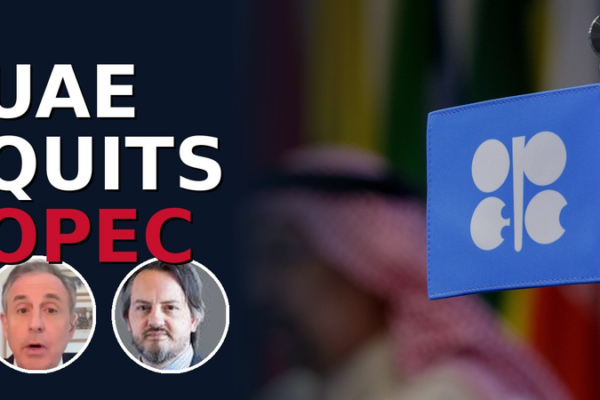
The UAE’s recent exit from OPEC and OPEC+, effective May 1, 2026, raises critical questions about future oil supply dynamics and price stability, according to energy analysts.

Iran warns of likely conflict with the US amid stalled negotiations, regional strikes, and oil market volatility, with China calling for de-escalation.
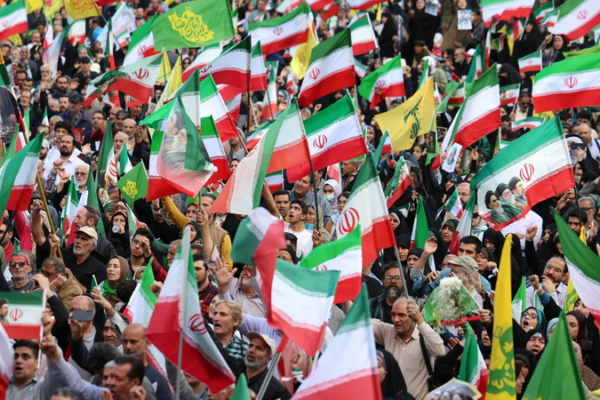
Iran’s warning and the closure of the Strait of Hormuz are causing severe global economic disruption and escalating regional tensions.
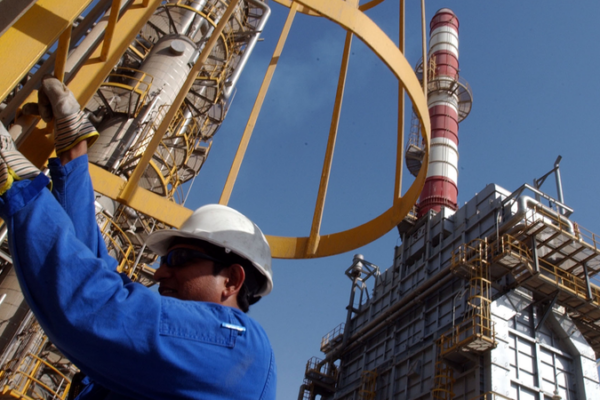
The UAE’s withdrawal from the OPEC+ oil alliance on May 1, 2026, marks a pivotal moment for global energy markets, testing the group’s influence on prices and regional cooperation.
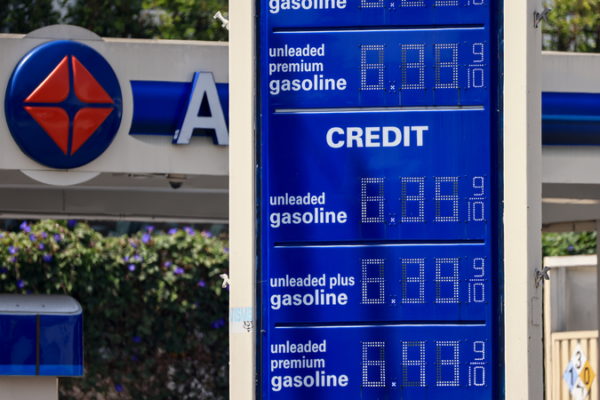
US gasoline prices hit a four-year high above $4.30/gal, with California surpassing $6. The surge, tied to oil prices over $100/barrel and Strait of Hormuz tensions, has significant implications for Asian economies.
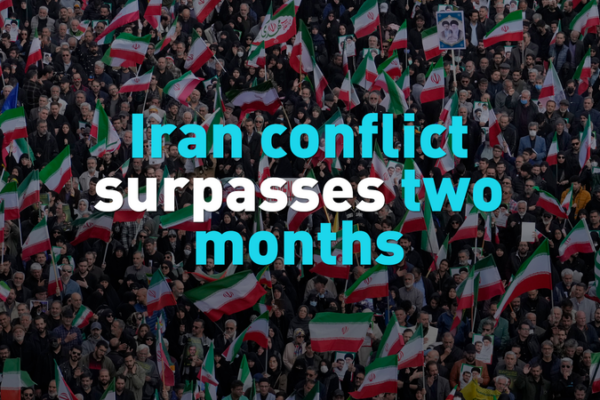
The U.S.-Iran conflict enters its third month, spreading to Lebanon and disrupting global oil markets, with stalled negotiations delaying any resolution.