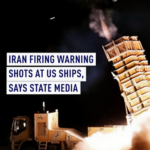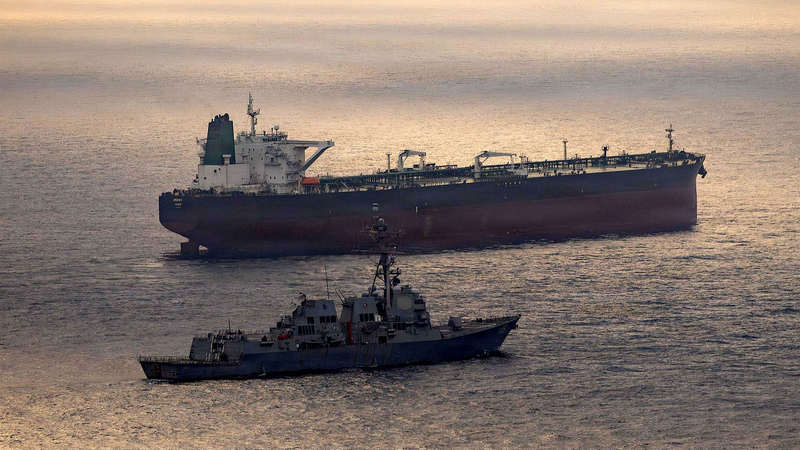
The strategic waters of the Strait of Hormuz have once again become a flashpoint for conflict. On Friday, May 8, fighting between the United States and Iran intensified, characterized by renewed maritime clashes and missile attacks that threaten to derail a fragile ceasefire reached last month.
Reports indicate sporadic confrontations between Iranian forces and US vessels in the waterway. The US military confirmed it struck two Iran-linked vessels attempting to enter an Iranian port, forcing them to retreat. The volatility extended beyond the sea, with the UAE reporting that its air defenses intercepted two ballistic missiles and three drones launched from Iran. These attacks resulted in moderate injuries to three individuals, though Tehran has not officially claimed responsibility.
The geopolitical instability has sent ripples through global markets. Brent crude prices climbed above $101 a barrel as investors reacted to the renewed tensions in a region that handles approximately one-fifth of the world's oil supply.
This recent escalation is the most severe since the ceasefire announced on April 7, which followed a war triggered by joint US-Israeli strikes on Iran on February 28. Since the onset of the conflict, Iran has restricted shipping through the Strait of Hormuz, leading the US to implement a blockade on Iranian ports and provide escorts for merchant vessels.
Despite the pressure, a CIA assessment suggests that Iran could withstand a US blockade for up to four months without facing crippling economic collapse, presenting a significant challenge for Washington's strategy to pressure Tehran into a permanent settlement.
Diplomatic efforts remain in a state of high tension. Washington is currently awaiting a response from Tehran regarding a US proposal intended to formally end the conflict before transitioning to broader negotiations on Iran's nuclear program. US Secretary of State Marco Rubio, speaking in Rome after meeting Italian Prime Minister Giorgia Meloni, emphasized the necessity of restoring international shipping access. Rubio warned against the normalization of any single country controlling an international waterway, arguing it would set a dangerous global precedent.
Conversely, Iran has accused the United States of breaching the ceasefire. Foreign Minister Seyed Abbas Araghchi criticized Washington's actions as "reckless military adventures," citing a US naval strike on an Iranian merchant vessel late Thursday that reportedly left one crew member dead and ten others injured. Tehran has further warned that any continued US naval blockade measures will be met with military action.
Reference(s):
cgtn.com