The global energy market has been thrown into turmoil as geopolitical tensions in the Middle East trigger significant price volatility, sending ripples across Southeast Asia. With Brent crude prices approaching the critical mark of $120 per barrel, the region is now grappling with the direct economic spillovers of a conflict unfolding thousands of kilometers away.
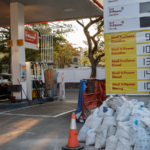
The impact has been felt acutely at the grassroots level. In the Philippines, the surge in costs led to a disruptive scene where fuel stations were forced to pause operations, highlighting the fragility of local supply chains when faced with extreme price spikes. This volatility has turned a global commodity fluctuation into a domestic challenge for residents and businesses alike.
In response to the escalating crisis, ASEAN leaders have taken decisive action to safeguard regional stability. The urgency of the situation was underscored when summit schedules were shortened to prioritize emergency energy coordination. This strategic pivot reflects the collective need to synchronize energy policies and ensure that member states can withstand the shock of fluctuating oil imports.
Beyond the immediate crisis management, this event serves as a critical stress test for ASEAN's long-term energy transition momentum. While the region has been working toward a more sustainable and diversified energy mix, the current instability underscores a lingering vulnerability: a heavy reliance on imported fossil fuels.
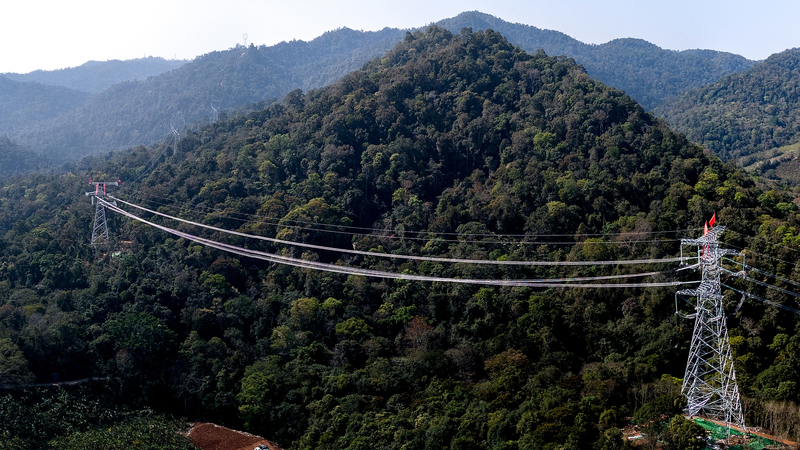
For business professionals and investors in the region, the situation emphasizes the growing importance of energy security. The "Middle East shock" is not merely a temporary hurdle but a catalyst that may accelerate the shift toward renewable energy and local alternatives, as Southeast Asian nations seek to decouple their economic stability from distant geopolitical unrest.
Reference(s):
cgtn.com