The Global Energy Artery Under Pressure
The global energy market is grappling with significant volatility this year as shipping through the Strait of Hormuz—one of the world's most critical maritime chokepoints—remains severely disrupted. Highlighting the gravity of the situation, global ratings agency Fitch has revised its average Brent crude forecast for 2026 upward from $70 to $87 a barrel, citing the sustained interruptions to shipping.
The Path to Paralysis
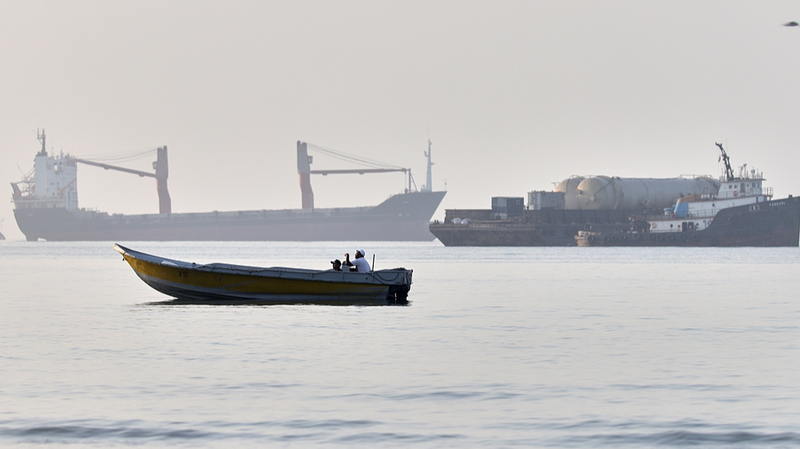
The current crisis stems from a series of high-tension military events that unfolded earlier this year. On February 28, joint US-Israeli strikes targeted Iran, leading to a cycle of retaliatory strikes by Tehran. The aftermath has left the 100-mile-long waterway, which links the Persian Gulf with the Gulf of Oman, in a state of near-paralysis.
The strategic importance of the strait cannot be overstated. In 2025, the International Energy Agency reported that as much as 25% of global seaborne oil trade transited through this narrow corridor, which shrinks to just 24 miles at its tightest point, making it a vital artery for global energy flows.
A Drastic Drop in Traffic
The impact on maritime logistics has been stark. Before the conflict, shipping monitors like Clarksons Research reported an average of 129 daily ship transits between February 1 and February 27. However, since the outbreak of hostilities, that number has plummeted to an average of just three tankers per day, according to data from LSEG and Kpler.
This decline is driven largely by Iran's tightened control over the waterway. Tehran has restricted passage for vessels it considers linked to hostile parties and has implemented transit fees. By April 23, Iranian deputy parliament speaker Hamidreza Haji-Babaei confirmed that the first revenues from these tolls had already been collected, as reported by Tasnim News Agency.
Naval Deadlock and Humanitarian Efforts
The situation grew more complex in mid-April when peace negotiations reportedly collapsed. In response, the United States escalated its naval operations to target vessels linked to Iran. As of June 4, US Central Command reported that its forces had redirected 127 commercial vessels and disabled six non-compliant ships.
Amidst the geopolitical deadlock, there remains a narrow window for essential goods; US forces have allowed 36 vessels carrying humanitarian aid to pass, underscoring the precarious balance between military strategy and global necessity in the region.
Reference(s):
The Strait of Hormuz closure: How it happened and what it led to?
cgtn.com