Diplomacy in the Middle East has reached a critical juncture this week, as starkly contrasting narratives emerge from Washington and Tehran regarding a potential peace deal to end the ongoing conflict.
A Divide in Diplomacy
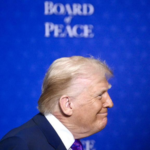
President Donald Trump has expressed significant optimism, stating on Wednesday that negotiations with Iran are progressing "very well." The US President hinted that an interim agreement could be reached as early as this coming weekend. According to Trump, Tehran has agreed to allow US personnel, in coordination with Iranian authorities, to enter the country and recover buried nuclear materials once the war concludes.
However, this optimism is not shared by the Iranian leadership. Foreign Minister Abbas Araghchi, speaking to the Lebanese broadcaster Al Mayadeen, clarified that while communication channels remain open, "no tangible progress" has been made in the negotiation process. Araghchi emphasized that messages have been exchanged concerning the need to stop aggression against Beirut, but stopped short of confirming any imminent breakthrough.
The Regional Puzzle
Observers note that a broader resolution depends heavily on regional stability. On Wednesday, Israel and Lebanon agreed to implement a ceasefire to end hostilities—a move widely viewed as a prerequisite for any successful ceasefire between the United States and Iran. Despite this, Araghchi warned that Iran's armed forces remain ready to strike Israel should Beirut come under attack.
Adding to the complexity, the US House of Representatives, led by Republicans, approved a resolution on Wednesday aimed at blocking President Trump from continuing the war against Iran, reflecting a domestic push for de-escalation.
Rising Tensions in the Gulf
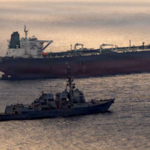
While diplomats talk, military tensions continue to simmer. The Iran's Islamic Revolution Guard Corps (IRGC) claimed on Wednesday that its navy targeted a US destroyer in the Gulf of Oman, citing violations of the Strait of Hormuz regulations. The US Central Command swiftly denied these claims, asserting that US military assets are operating "safely and unimpeded."
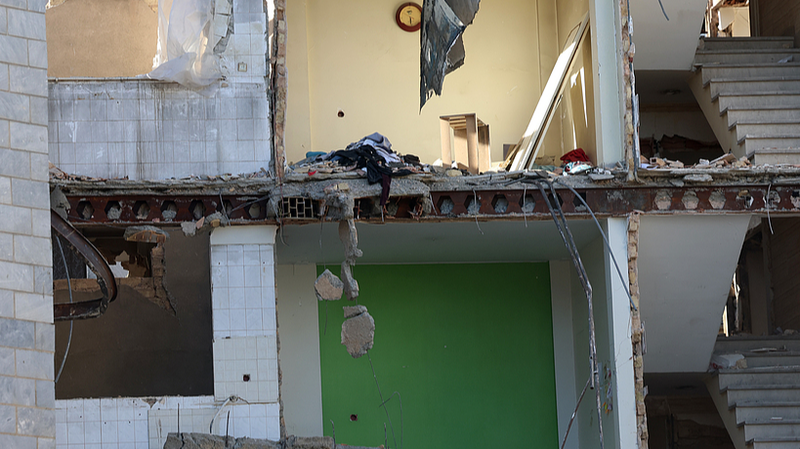
Further friction arose over damage to a passenger terminal at Kuwait International Airport. The IRGC attributed the damage to a malfunctioning US Patriot missile system, whereas the US military maintained that Iranian drones deliberately targeted the facility.
Economic Ripple Effects
The uncertainty and recent military skirmishes have sent ripples through global markets. Oil prices climbed nearly 2%, reflecting the volatility of the region. The Federal Reserve has highlighted that rising energy prices tied to the Middle East conflict are the primary drivers of inflationary pressures, with spillover effects impacting shipping, packaging, groceries, and fertilizer costs worldwide.
Reference(s):
Trump says deal close while Iran FM says 'no tangible progress'
cgtn.com