
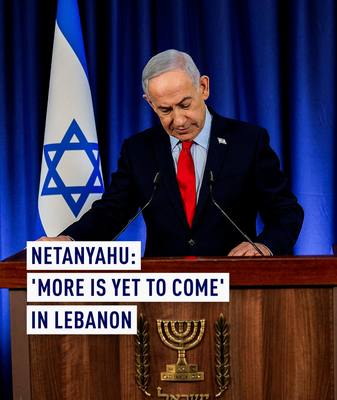
Iran Conflict Talks Stalled as Regional Tensions Escalate
Diplomatic efforts to end the Iran conflict hit a wall as military actions and economic shocks ripple across the region, with the UAE’s OPEC exit marking a major shift.
News & Insights Across Asia
Diplomatic efforts to end the Iran conflict hit a wall as military actions and economic shocks ripple across the region, with the UAE’s OPEC exit marking a major shift.

German Chancellor Friedrich Merz slams US strategy in Iran as ‘planless,’ amid rising oil prices and Strait of Hormuz disruptions.
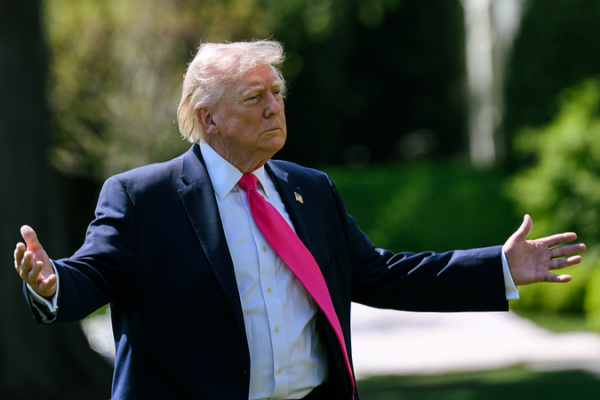
Trump warns Iran ceasefire unlikely to extend past April 23 deadline as Strait of Hormuz blockade continues, raising fears of renewed conflict and oil market disruptions.

The Middle East military conflict triggers unprecedented global energy supply disruptions, with oil prices soaring and demand projected to decline in 2026, per IEA’s latest report.
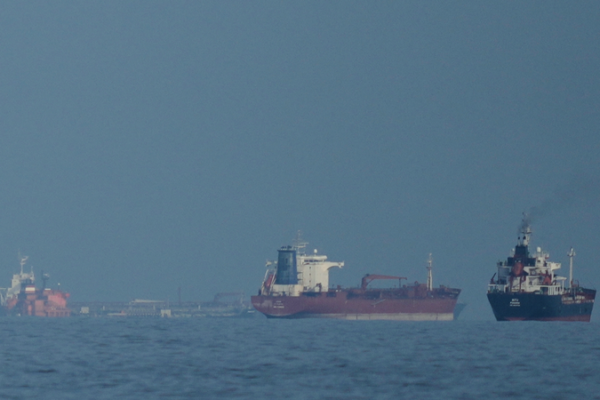
Global oil prices surge and Asian markets dip as US plans to block the Strait of Hormuz, escalating US-Iran tensions. Latest updates on economic impacts.
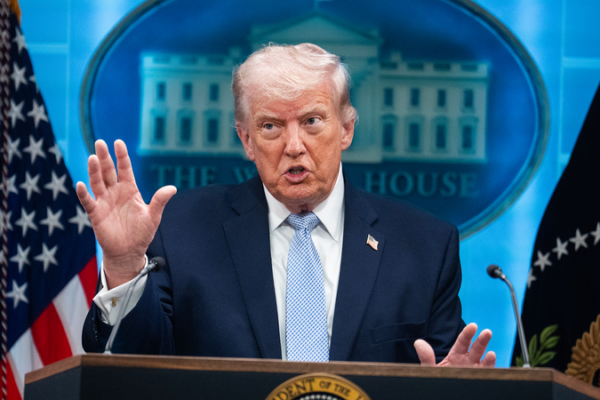
As the U.S.-Iran ceasefire holds, analysts question the long-term impact on global oil prices, alliances, and America’s fiscal health. China’s diplomacy gains traction.
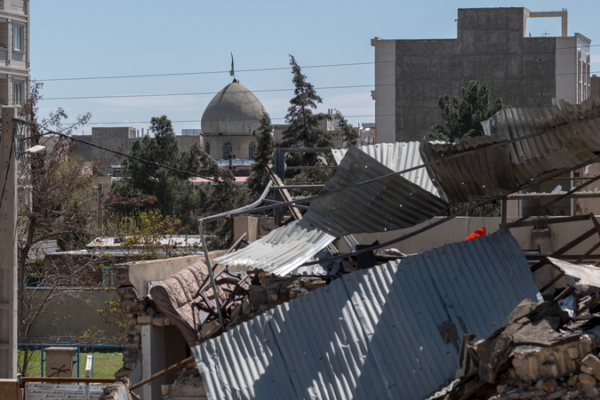
Ongoing US-Iran military conflict triggers historic oil price surge and stock market declines, raising global recession concerns as supply chains falter.
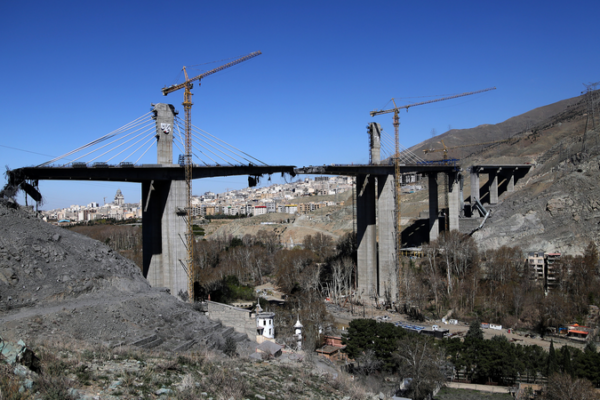
US intensifies strikes on Iranian civilian infrastructure, sparking fears of uncontrolled escalation and global market turbulence as oil prices surge.
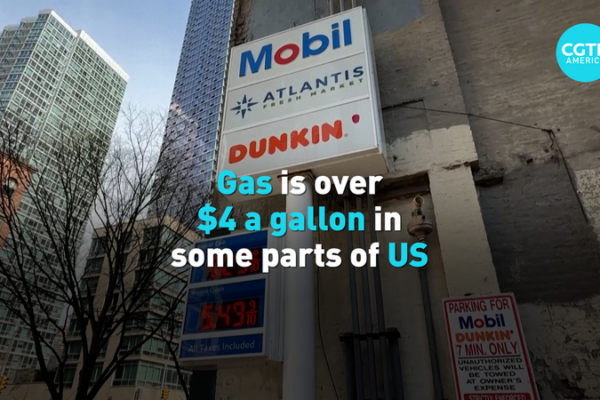
US gas prices exceed $4 per gallon as Iran tensions drive oil above $100 a barrel, sparking inflation fears and economic ripple effects across Asia.

Egypt’s President Sisi warns Iran conflict could drive oil prices above $200/barrel, urges U.S. intervention to prevent global economic crisis.
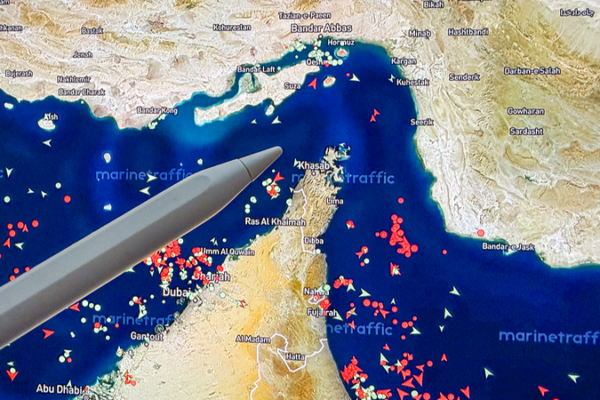
Iran’s proposed transit fees on the Strait of Hormuz and escalating US-Israel military actions heighten global energy security concerns as oil prices surge.
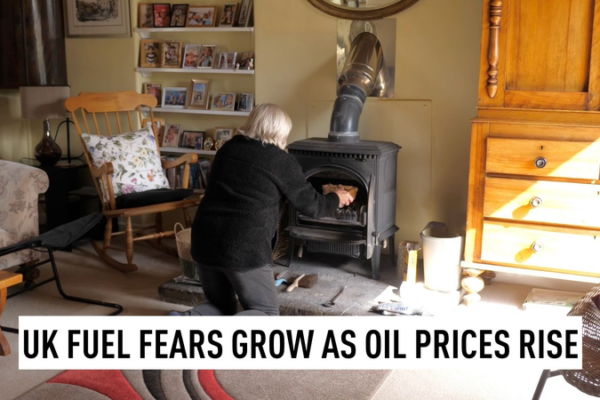
UK households face soaring heating costs as Iran conflict disrupts oil markets, with petrol prices up 11% and inflation fears growing.

Middle East conflict drives oil price surge, disrupting China’s plastics manufacturing sector and pressuring SMEs. Industry adapts through material innovation and government support measures.
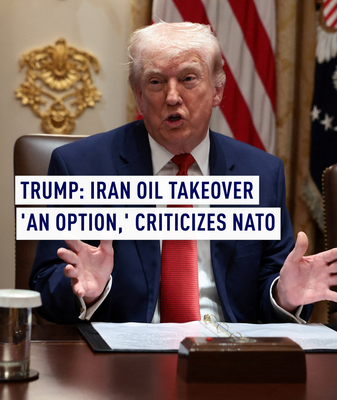
Iran rejects a US proposal amid escalating Middle East tensions, while Trump extends an energy attack pause. Regional conflicts displace thousands as global markets react.
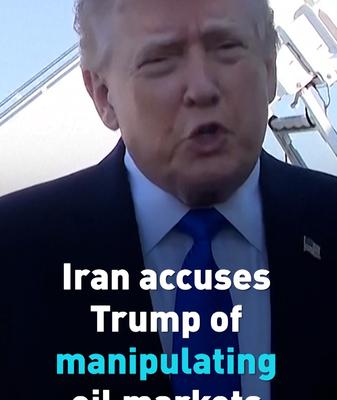
Oil markets swing as Iran denies Trump’s peace talk claims, reigniting debates about energy market manipulation and Middle East tensions.
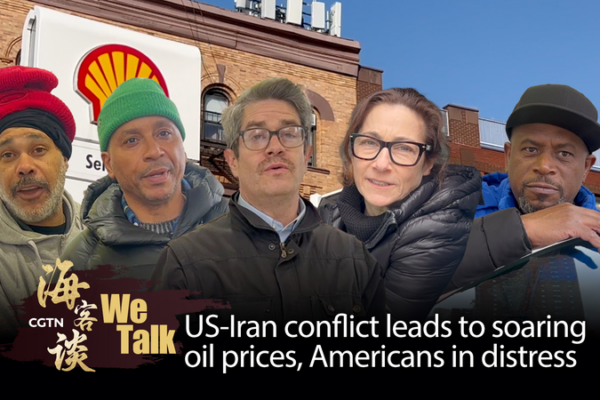
US-Iran military actions disrupt Middle East oil flows, driving fuel costs to 2026 highs and straining American household budgets, per Reuters data.
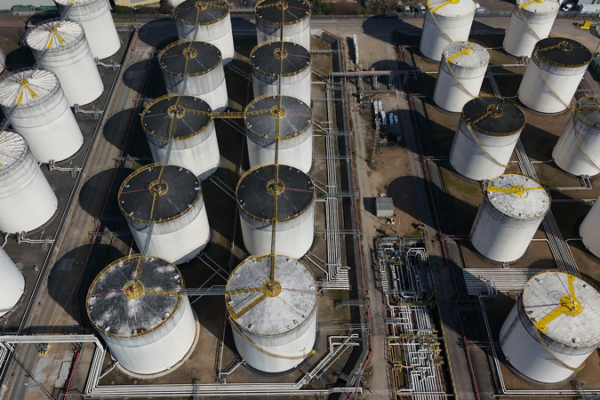
Rising Middle East tensions disrupt global industries, driving jet fuel prices to $200/barrel and threatening semiconductor production. Supply chain vulnerabilities exposed across sectors.
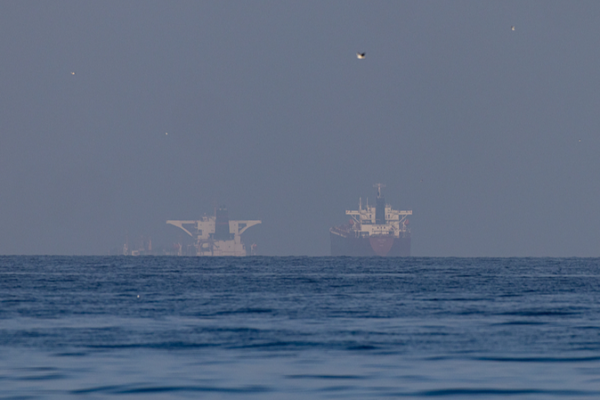
Global energy markets face historic disruption as US-Iran tensions over the Strait of Hormuz remove 11 million barrels/day from circulation, surpassing 20th-century oil crises in scale.
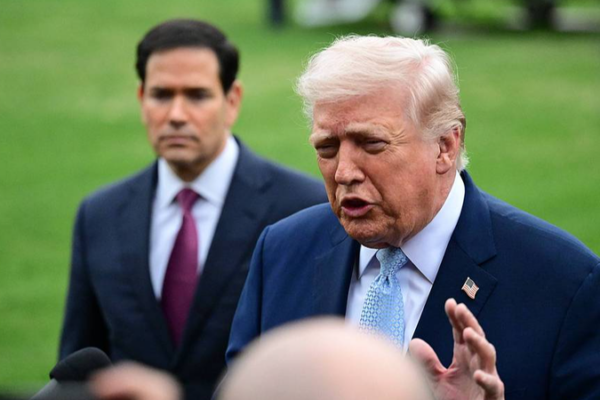
US Marines deployed to Middle East as Strait of Hormuz closure triggers global oil price surge and regional military escalation.
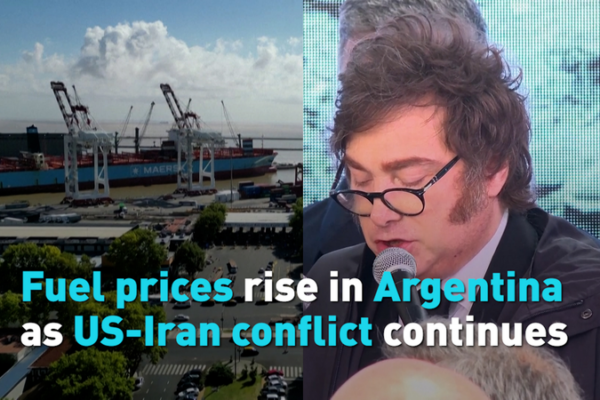
Argentina grapples with 18% fuel price surge as U.S.-Iran tensions disrupt oil markets, creating challenges for consumers and opportunities for Asian energy exporters.