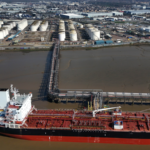
The volatile landscape of the Middle East is sending shockwaves through Southeast Asia, placing a significant test on the region's commitment to energy transition. As geopolitical tensions drive Brent crude prices toward the $120 per barrel mark, the economic repercussions are becoming felt acutely across ASEAN member states.
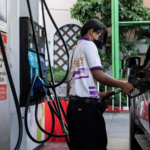
The impact is already tangible on the ground. In the Philippines, the surge in oil prices has led some fuel stations to pause operations, highlighting the immediate vulnerability of local markets to global price spikes. This instability has transformed energy security from a long-term goal into a matter of immediate urgency.
In response to these pressures, ASEAN leaders have taken decisive action to stabilize the situation. Recent summit schedules were shortened specifically to prioritize emergency energy coordination, as member states seek a unified approach to mitigate the spillovers from conflicts unfolding thousands of kilometers away.
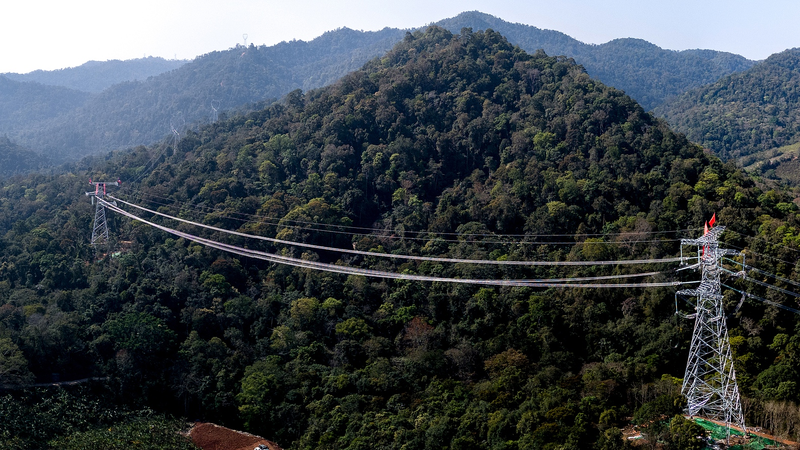
While the region has been steadily pushing toward a sustainable energy transition, these external shocks emphasize the complex balancing act between immediate energy security and long-term green objectives. The current crisis serves as a stark reminder of how deeply integrated Southeast Asia remains with global energy markets and underscores the pressing need for resilient, diversified energy strategies to weather future geopolitical storms.
Reference(s):
cgtn.com