The geopolitical volatility unfolding thousands of kilometers away in the Middle East is sending ripples through Southeast Asia, placing a critical stress test on the region's energy security and its long-term transition goals.
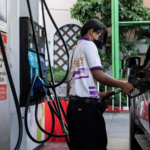
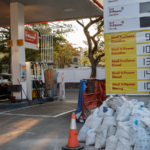
The impact became starkly visible as Brent crude approached the $120 per barrel mark. In the Philippines, the surge in costs led some fuel stations to pause operations, highlighting the immediate vulnerability of local markets to global price spikes. This economic pressure has transformed energy coordination from a long-term policy goal into an urgent priority for regional leaders.
In response to the crisis, ASEAN leaders have taken the unusual step of shortening summit schedules. The primary objective has been to carve out dedicated time for emergency energy coordination, as member states scramble to mitigate the spillover effects of the conflict. The goal is to create a more resilient framework that can withstand the shocks of external geopolitical instability.
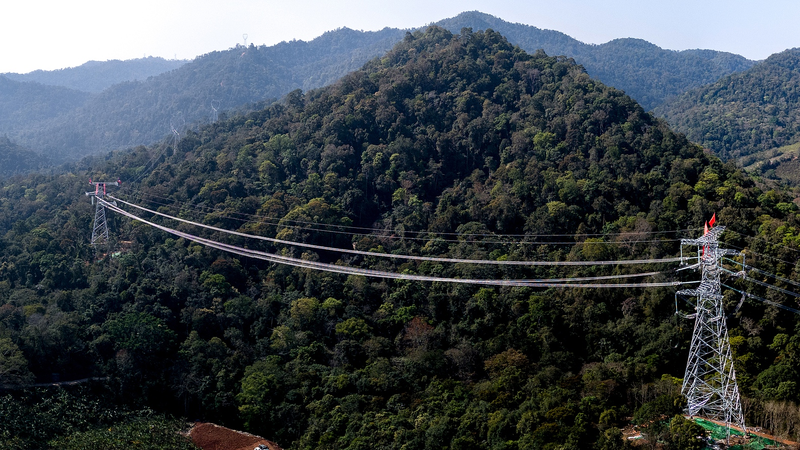
For business professionals and investors in the region, these developments underscore the volatility of fossil fuel dependency. While the immediate focus is on stabilizing fuel supplies and managing costs, the crisis is simultaneously accelerating the conversation around energy independence. The ability of ASEAN to maintain its momentum toward a greener energy transition amidst such turmoil will be a defining factor in the region's economic stability in 2026 and beyond.
Reference(s):
cgtn.com