The Ripple Effect of Regional Conflict
The escalating conflict in the Middle East is sending shockwaves far beyond its borders, triggering a severe humanitarian crisis and destabilizing global economic markers. As tensions persist, the United Nations is warning that the intersection of war and energy volatility is pushing millions of the world's most vulnerable people toward the brink of starvation.
WFP Warns of Escalating Hunger
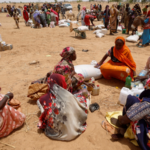
According to the latest report from the UN World Food Programme (WFP), titled 'Food Security Under Pressure: How the Middle East Crisis is Impacting Vulnerable Countries,' an additional 6.1 million people are now at risk of acute food insecurity across Somalia, Afghanistan, and Sri Lanka. This follows a warning issued just three months ago that 45 million people were already at risk if oil prices remained near $100 a barrel.
The report highlights a devastating chain reaction: the US-Israeli war in Iran and the blockade of the Strait of Hormuz have disrupted global oil and energy supplies. This has caused the price of transport and basic consumer goods to skyrocket, stripping families of their purchasing power. In Somalia, nearly 60 percent of households can no longer afford essential needs. In Afghanistan, supply chain disruptions have seen transport costs increase by 2.5 to 5 times, while delivery times have stretched from 10 days to as many as 75 days.
Sri Lanka is also feeling the impact. With a baseline of 4.7 million people unable to meet basic food needs in 2026, the country is suffering income shocks due to its heavy reliance on tea exports and remittances from Gulf countries.
Energy Market Volatility
The conflict has caused significant turbulence in the energy sector. Brent crude oil, the benchmark for two-thirds of internationally traded crude, surged from a pre-conflict price of approximately $73 per barrel to a peak of $126 at the end of April. While prices currently hover around the $94 mark—down slightly on hopes of a peace deal between the US and Iran—the benchmark remains up by 4 percent compared to last week as concrete negotiations remain elusive.
Lebanon and the Wider Region in Turmoil
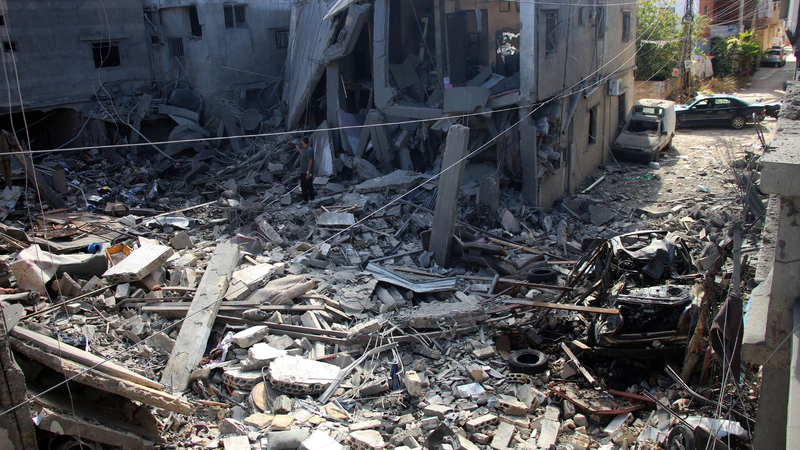
The humanitarian situation in Lebanon has reached a critical point, leading the UN to double its appeal for aid. Currently, a quarter of Lebanon's population requires humanitarian assistance. The instability is compounded by continued violence; just 24 hours after a conditional ceasefire was agreed, Israeli bombardment in the city of Tyre left seven people dead.
Other regional flashpoints continue to ignite. In Gaza, Israeli air strikes recently killed at least 11 Palestinians, including four senior Hamas members. Since the US-brokered ceasefire in October 2025, nearly a thousand Palestinians have been killed. In the occupied West Bank, an 18-year-old Palestinian man was shot dead by Israeli forces on Friday.
Diplomatic and Industrial Concerns
Adding to the tension, a confidential report suggests that the UN nuclear watchdog is currently unable to inspect Iranian nuclear facilities that were impacted by US and Israeli strikes last June. Meanwhile, in Oman, Petroleum Development Oman (PDO) has officially denied reports of a drone attack at its Mina Al Fahal terminal, asserting that operations are proceeding normally despite contradictory reports of explosions near mooring berths.
Reference(s):
Millions pushed into hunger by Iran war, UN doubles Lebanon appeal
cgtn.com