
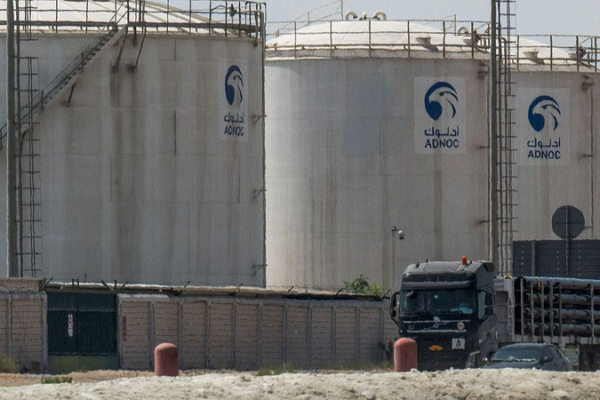
Gulf Energy Facilities Disrupted Amid Rising US-Israel-Iran Tensions
Recent attacks on Gulf energy facilities amid US-Israel-Iran tensions disrupt global oil markets, raising concerns over supply stability and economic impacts.
News & Insights Across Asia
Recent attacks on Gulf energy facilities amid US-Israel-Iran tensions disrupt global oil markets, raising concerns over supply stability and economic impacts.

A Trump-linked economist warns rising oil prices from Middle East tensions could destabilize the US economy as the Fed grapples with inflation risks.
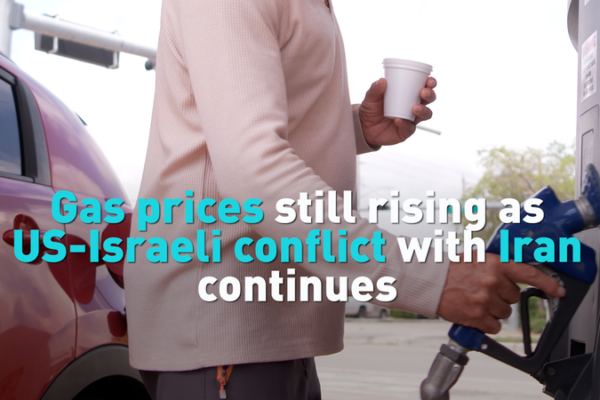
Soaring fuel costs ripple through Asian economies as Middle East conflict disrupts energy markets, with analysts warning of prolonged inflationary pressures.
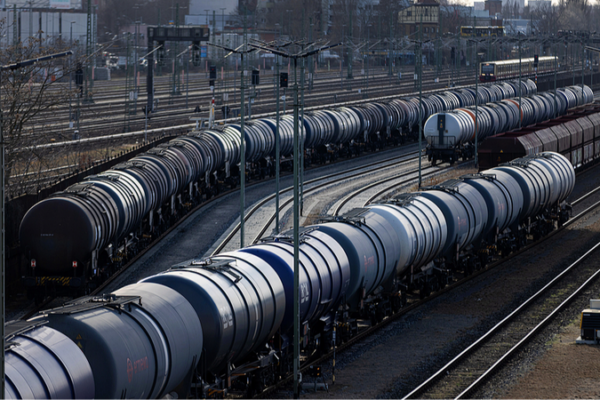
The prolonged closure of the Strait of Hormuz disrupts global oil and commodity markets, threatens food security, and triggers economic instability across Asia and beyond.
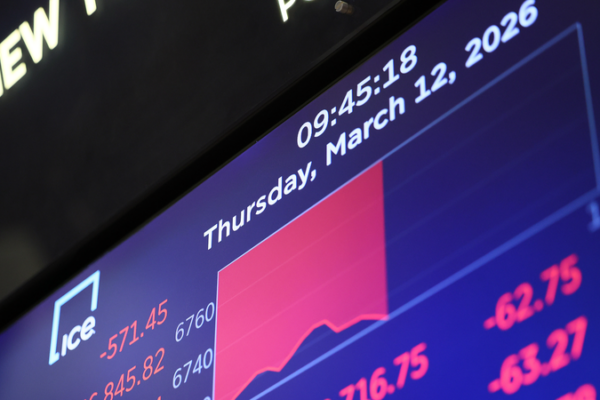
Rising Middle East tensions and oil price surges prompt major banks to downgrade US growth forecasts, as inflation and market volatility challenge the Federal Reserve’s policy path.
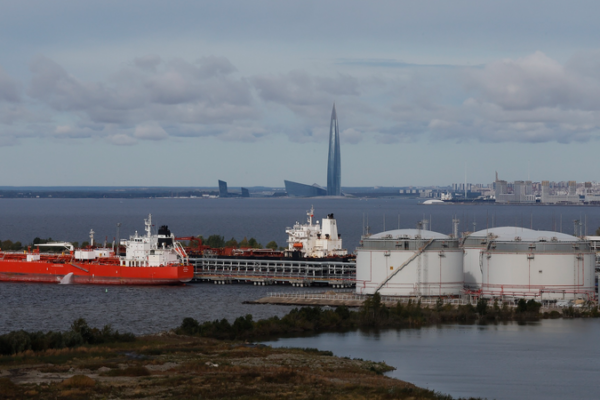
U.S. Treasury eases Russian oil sanctions to stabilize global energy prices, causing immediate market reactions and geopolitical implications.

Analysts highlight China’s strategic crude reserves and shift to electric vehicles as key factors insulating its economy from global oil market turbulence.
Hungary urges EU to suspend Russia energy sanctions as oil prices exceed $100/barrel, escalating tensions with Ukraine and testing EU unity.
Eight OPEC+ member countries have agreed to extend their voluntary oil output cuts by one month, pushing reductions through December in response to ongoing weak oil prices.

U.S. stocks closed lower on Thursday as investors remained cautious ahead of September’s payrolls report, with escalating Middle East tensions affecting market sentiment and driving oil prices higher.