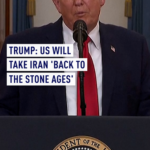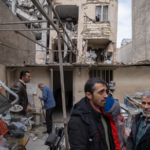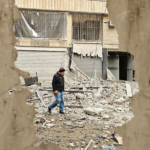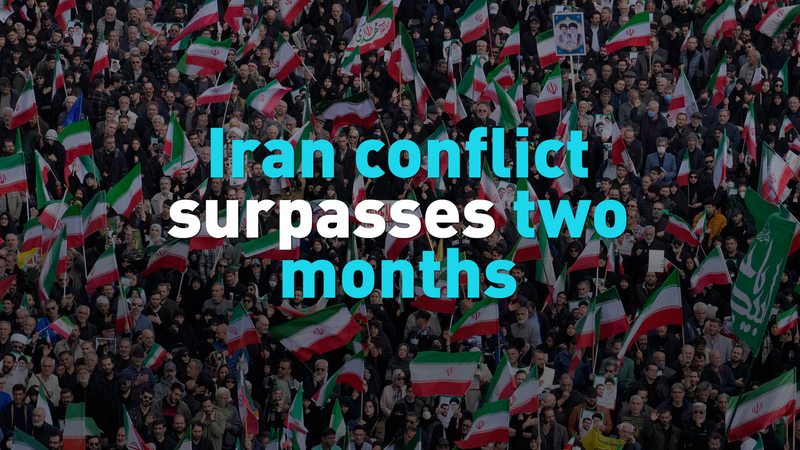
In early March 2026, a conflict initiated by U.S.-Israeli military actions against Iran began, marking the start of a prolonged crisis that continues to unfold. As of late April 2026, the situation has surpassed the two-month mark with no clear end in sight.
The hostilities have now spread geographically, with clashes extending into parts of Lebanon, raising concerns of a broader regional destabilization.
The economic repercussions are being felt globally. A U.S. naval blockade of Iranian ports in the strategically vital Strait of Hormuz, coupled with Iran's own closure of the waterway, has severely disrupted global energy supplies. This has triggered a significant spike in oil prices, creating ripple effects across international markets and increasing pressure on economies worldwide.
Diplomatic efforts to de-escalate the situation have stalled. Negotiations between the United States and Iran have been delayed, pushing the prospect of a near-term resolution further away. The deadlock adds a layer of uncertainty for governments, investors, and communities across Asia and beyond who are monitoring the situation closely.
The ongoing conflict underscores the deep interconnectedness of global security and economic stability, highlighting how regional tensions can swiftly translate into worldwide challenges.
Reference(s):
cgtn.com