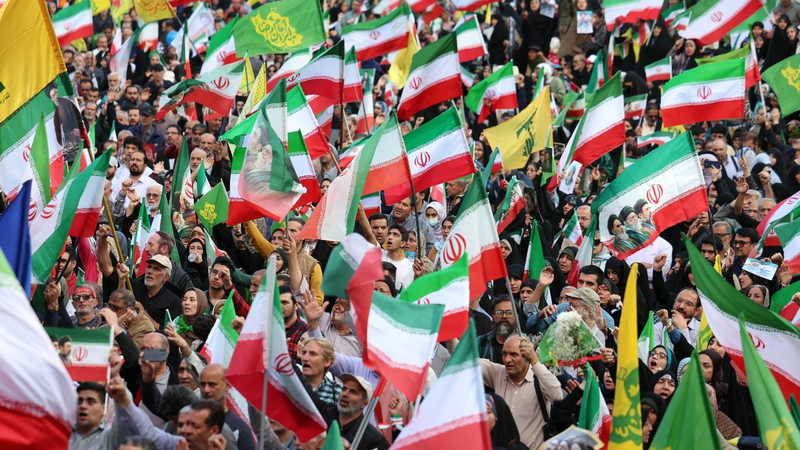
As the Strait of Hormuz remains effectively closed due to ongoing regional tensions, global markets and political corridors are gripped by uncertainty. Iran has reiterated its claim over the strategic waterway, warning of "long and painful strikes" on US positions should hostilities escalate, further complicating international efforts to reopen the vital shipping lane.
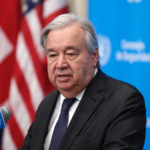
The economic repercussions are being felt worldwide. UN Secretary-General Antonio Guterres recently warned that the closure is "strangling the global economy." This sentiment was echoed by Fatih Birol, chief of the International Energy Agency, who highlighted the "major energy and economic challenge" posed by soaring oil prices. Brent crude for June delivery recently spiked over 7%, reaching a four-year high of $126.41.
Meanwhile, the geopolitical landscape grows increasingly complex. The US administration faces a congressional deadline regarding authorization for military action against Iran. Tensions have also spilled into US alliances, with President Donald Trump suggesting potential troop reductions in Germany, Italy, and Spain over their positions on the conflict.
Regional stability remains fragile. In Lebanon, President Joseph Aoun condemned continuing Israeli military actions in the south, which he said were occurring "despite the ceasefire." The United Arab Emirates has meanwhile issued travel bans for its citizens to Iran, Lebanon, and Iraq, urging residents to return home immediately.
As Iran's parliament speaker, Mohammad Bagher Ghalibaf, vowed a future without a US presence in the region, the path to de-escalation appears narrow. The prolonged closure of the Strait of Hormuz continues to be a focal point of global concern, with its impact resonating far beyond the Middle East.
Reference(s):
Iran warns of 'long and painful strikes' as Hormuz stays shut
cgtn.com