

Alexander Zverev Makes History with First Grand Slam Title at French Open
Alexander Zverev ends a 30-year drought for German tennis by capturing his first Grand Slam title at the French Open, defeating Flavio Cobolli in a five-set thriller.
News & Insights Across Asia
Alexander Zverev ends a 30-year drought for German tennis by capturing his first Grand Slam title at the French Open, defeating Flavio Cobolli in a five-set thriller.
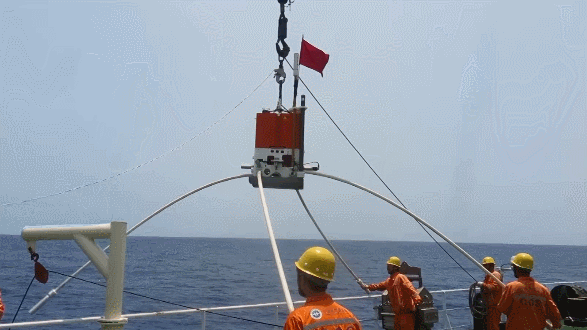
The Haiyang Dizhi-6 has successfully concluded its 16th deep-sea expedition, advancing marine exploration technologies and gathering vital geological samples.

China bounced back from a slow start to defeat Poland 3-1 in Nanjing, capping a strong opening week at the 2026 FIVB Women’s Volleyball Nations League.
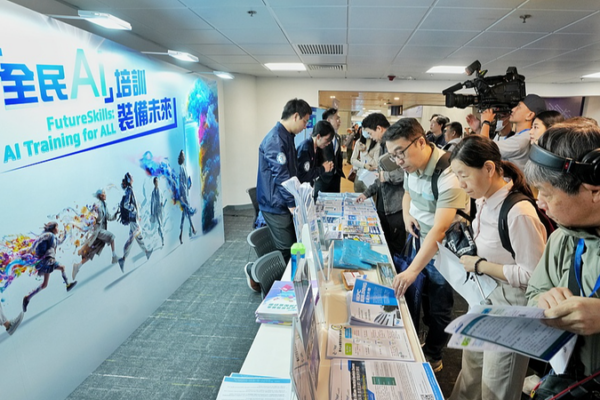
Hong Kong is accelerating its path to becoming a leading AI hub through massive infrastructure upgrades, a citywide AI literacy drive, and a new autonomous robotic retail store.

Chinese President Xi Jinping arrived in Pyongyang on Monday, June 8, 2026, for a high-profile state visit to the Democratic People’s Republic of Korea.
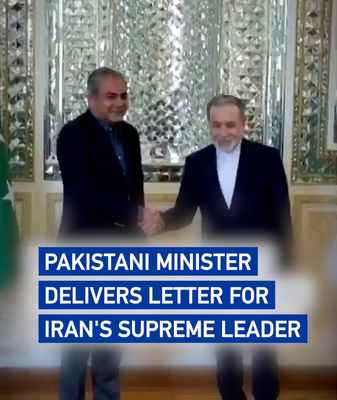
Pakistan’s Interior Minister Mohsin Naqvi delivers a special message to Iran’s Supreme Leader as mediation efforts to end the US-Iran conflict face financial hurdles.

Israel strikes Tehran following Iranian missile attacks, sparking regional airspace closures and urgent calls for de-escalation from the United States.
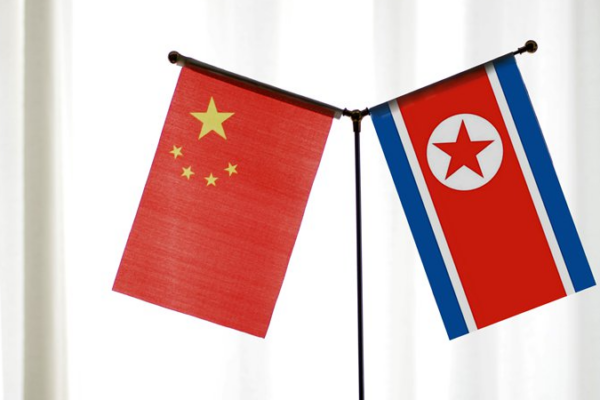
President Xi Jinping prepares for his first state visit to the DPRK in seven years, focusing on strengthening traditional ties, strategic coordination, and regional peace.
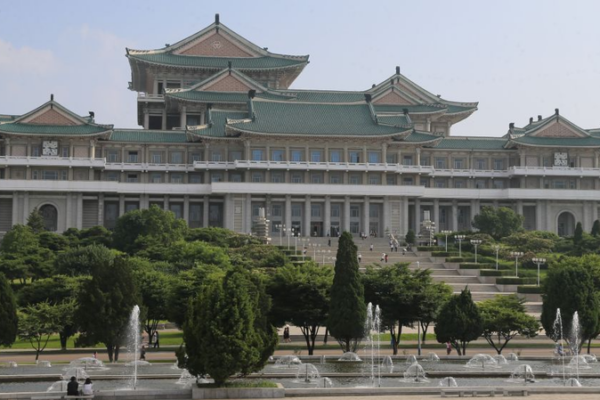
President Xi Jinping emphasizes new opportunities and strategic missions for China-DPRK relations ahead of his state visit to the DPRK, focusing on mutual growth and stability.

Iran’s national football team arrives in Mexico to establish a base camp ahead of World Cup matches in the US, following visa complications for support staff.

President Xi Jinping has departed Beijing for a state visit to the Democratic People’s Republic of Korea following an invitation from Kim Jong Un.

Chinese President Xi Jinping has left Beijing on June 8, 2026, for a state visit to the Democratic People’s Republic of Korea (DPRK).

The 2026 Gaokao enters its second day on June 8, with students across the Chinese mainland focusing on English exams and navigating varying provincial schedules.
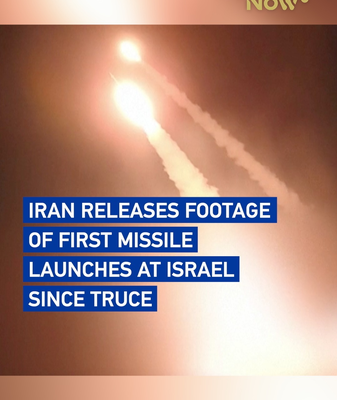
Iran’s IRGC releases footage of missile launches toward Israel as a warning over strikes in Lebanon, threatening a full-scale resumption of hostilities.
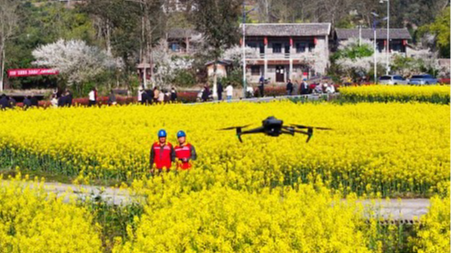
Drones are overcoming the challenging mountainous terrain of Chongqing, transforming small, scattered plots into efficient, high-tech farms.
The Israel Defense Forces claim to have targeted military sites in western and central Iran, with explosions reported in Tehran, Tabriz, and Isfahan.
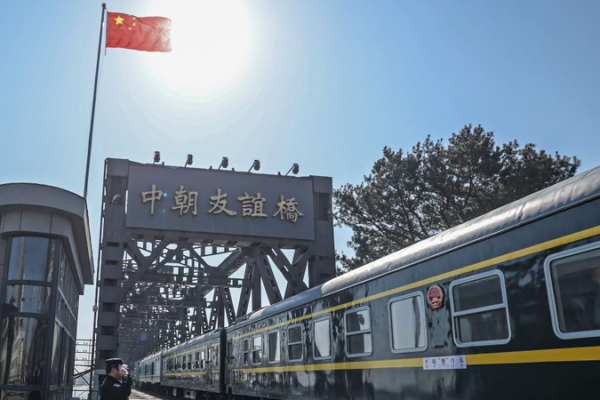
President Xi Jinping emphasizes the unbreakable friendship and shared socialist future between China and the DPRK ahead of his first state visit to the country in seven years.
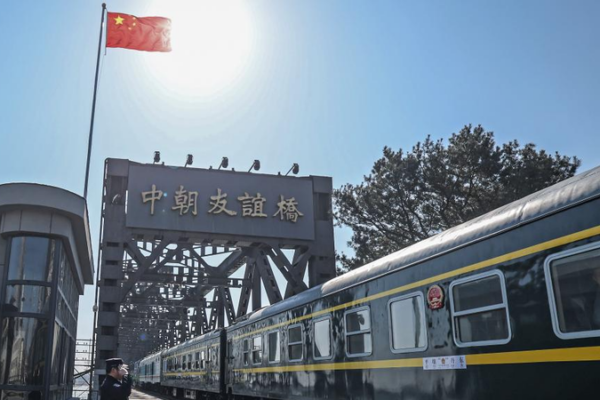
President Xi Jinping begins a state visit to the DPRK, emphasizing a shared socialist future and strategic coordination with Kim Jong Un to ensure regional peace and stability.
A magnitude-7.9 earthquake struck Mindanao, Philippines, on June 8, 2026, triggering tsunami warnings in Indonesia and threat notices from the US Tsunami Warning System.
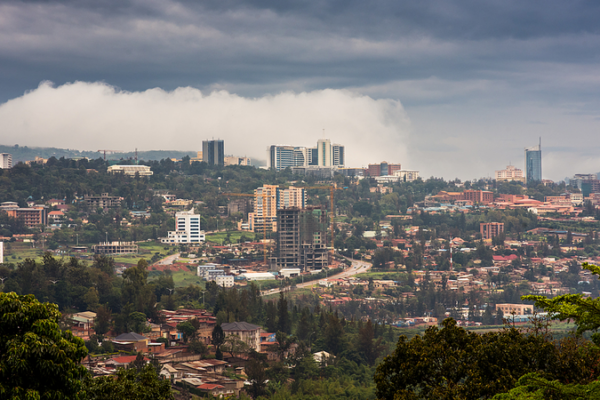
Rwanda implements rigorous surveillance and treatment measures to safeguard against a potential Ebola outbreak, ensuring public health and economic continuity.