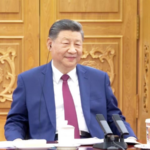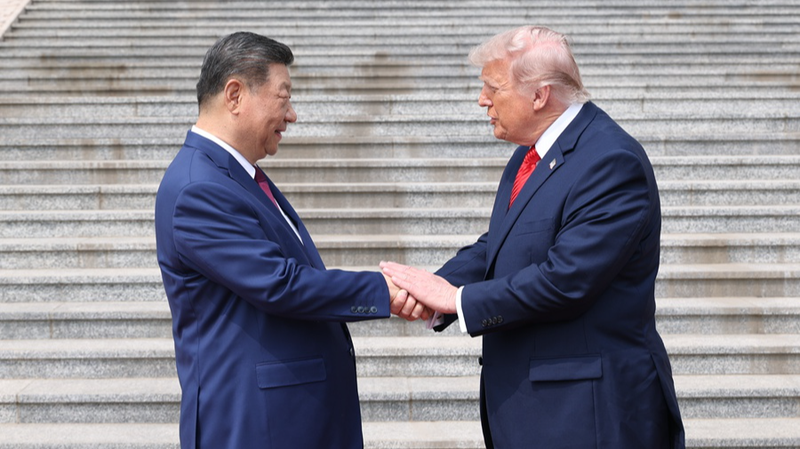
In a high-stakes meeting that has captured global attention, Chinese President Xi Jinping and US President Donald Trump have agreed upon a new vision for their bilateral relationship, aiming to build a "constructive China-US relationship of strategic stability." This new positioning is expected to provide strategic guidance for the next three years and beyond, offering a roadmap for the world's two largest economies to navigate their complex ties.
The discussions, which lasted over two hours, are being hailed by international observers as a critical step toward reducing global uncertainty. By prioritizing stability, the two leaders have sent a reassuring signal to markets and political entities worldwide, emphasizing that cooperation remains the mainstay even amidst a competitive landscape.
Moving Beyond Confrontation
Experts suggest that this new approach marks a departure from the belief that confrontation between the two superpowers is inevitable. Sun Taiyi, an associate professor of political science at Christopher Newport University, noted that the agreement reflects a phase where both nations seek communication channels and mutual constraints to prevent rivalry from escalating into a systemic crisis.
Echoing this sentiment, Jesse Gates, a visiting professor at Fairleigh Dickinson University, highlighted President Xi's metaphor of the relationship as a "giant ship" that must be steered together. This collaborative spirit is seen as an inevitable choice for future development, promising mutual benefits for both nations and the broader international community.
Economy as the Ballast Stone
The emphasis on economic synergy was a central theme of the visit. President Trump was accompanied by a prominent delegation of US business leaders from the technology, finance, aviation, and agriculture sectors, signaling Washington's openness to deeper trade agreements. During the talks, President Trump encouraged the US business community to expand its cooperation with the Chinese mainland, acknowledging the immense power and influence both nations wield globally.
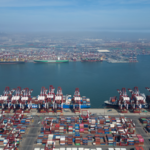
Cui Hongjian, a professor at the Academy of Regional and Global Governance at Beijing Foreign Studies University, described economic and trade ties as the "ballast stone" and "engine" of the relationship. According to Cui, as long as common interests remain substantial, political differences are unlikely to push the relationship off course.
A Global Signal of Confidence
The international community has reacted positively to the meeting. Maria Fernanda Espinosa, former president of the UN General Assembly, described the encounter as historic, stating that friendly cooperation between the two majors contributes significantly to humanity. Similarly, Jose Ricardo, CEO of LIDE China, remarked that the focus on "cooperation, coexistence, confidence and mutual trust" is encouraging for global governance and business confidence.
As the two nations work toward restructuring their economic ties, the world looks on with hope that this era of strategic stability will lead to a more peaceful and prosperous global landscape.
Reference(s):
New positioning of China-US ties sends signal of stability: experts
cgtn.com