A Strategic Shift in Urban Development
In a significant move to refine the landscape of the Chinese mainland, Chinese Premier Li Qiang chaired a State Council executive meeting this Friday, May 15, 2026. The meeting focused on the implementation of arrangements from the Central Urban Work Conference, signaling a pivotal transition in how the nation approaches its cities.
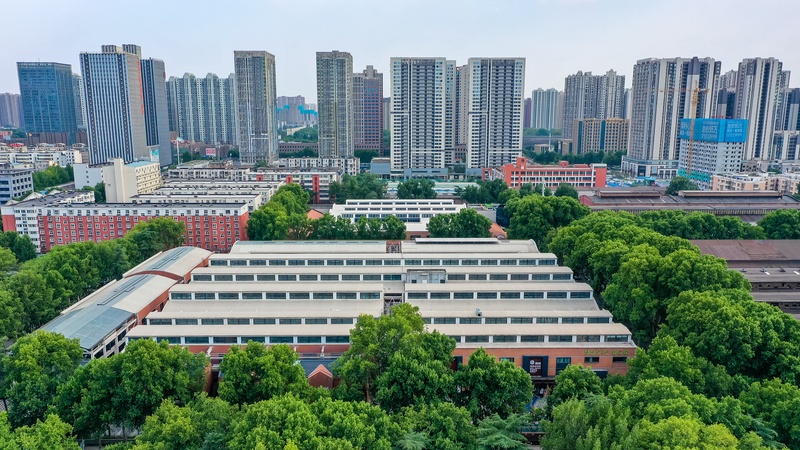
According to the meeting, urban development is shifting away from large-scale incremental expansion. Instead, the focus has moved toward enhancing the quality and efficiency of existing urban stock. By adopting the 15th five-year plan for urban renewal, the government aims to build high-quality living spaces and accelerate a green, low-carbon transition, ensuring that cities are not just larger, but more sustainable and livable.
Prioritizing Rural Vitality and Food Security
Beyond the cities, the meeting underscored that agriculture, rural areas, and farmers remain a top priority. The adoption of the 15th five-year plan for accelerating agricultural and rural modernization highlights a commitment to strengthening comprehensive production capacity.
Key objectives include consolidating the gains made in poverty alleviation and expanding the channels through which farmers can increase their incomes. Crucially, the meeting emphasized the necessity of safeguarding food security and implementing rigorous measures to prevent any large-scale relapse into poverty, ensuring a stable foundation for the nation's rural population.
Addressing Population Dynamics and Education
The State Council also deliberated on critical social issues, specifically population dynamics and basic education. Recognizing the challenges of an aging society, the meeting stressed the need to maintain an appropriate fertility rate and population size. The government plans to foster a "birth-friendly society" by enhancing support services for childbirth and child-rearing, while simultaneously improving social security and services for the elderly.
Looking toward the future, the meeting reaffirmed the objective of establishing China as a leading country in education by 2035. This vision includes improving the quality of basic education and ensuring a more coordinated allocation of resources to provide equitable learning opportunities for all.
Reference(s):
Chinese premier chairs meeting on urban renewal, agriculture
cgtn.com