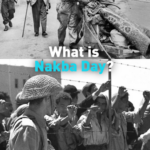
The Significance of May 15
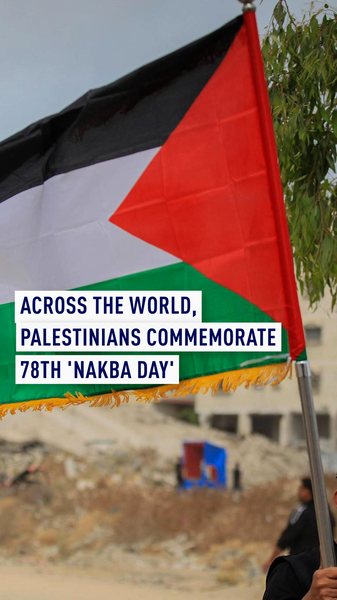
Today, May 15, 2026, millions of people across the globe are commemorating the 78th anniversary of the 'Nakba'. The term, which translates from Arabic as 'catastrophe', refers to the mass displacement and expulsion of approximately 750,000 Palestinians from their homes during the period surrounding the creation of the state of Israel.
The Roots of the Conflict
While the anniversary is observed annually on May 15, the displacement of the Palestinian population began throughout the 1940s. This period was marked by escalating tensions between the indigenous population and Jewish refugees arriving from Europe.
A pivotal moment occurred in 1947 when the UN General Assembly passed a resolution proposing the division of Palestine into two separate states: one Jewish and one Arab, with Jerusalem placed under an international UN administration. This plan was rejected by the Arab world, who argued that the resolution violated the UN Charter. In the wake of this decision, Zionist militias launched attacks on hundreds of Palestinian villages, forcing thousands of residents from their homes in what is known as the civil war of Mandatory Palestine.
The Events of 1948
The situation reached a critical turning point on May 14, 1948, when the British officially withdrew from the British Mandate of Palestine, leading to the official declaration of the independent state of Israel.
The following day, May 15, 1948, Egypt, Iraq, Lebanon, Jordan, and Syria invaded the newly declared state, instigating the 1948 Arab-Israeli War. This sequence of events solidified the Nakba as a defining moment of loss and displacement for the Palestinian people, a legacy that continues to be remembered and protested globally every year.
Reference(s):
cgtn.com