
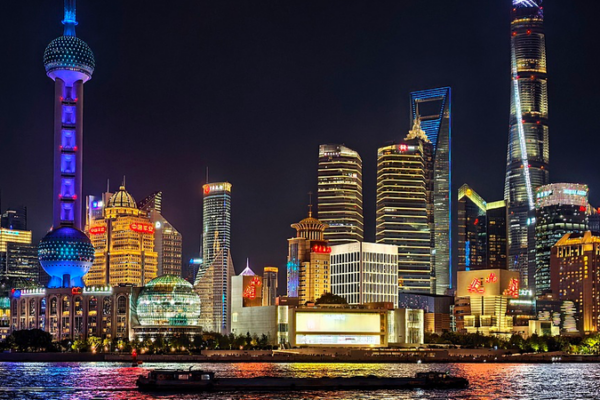
From Followers to Front-Runners: The Rapid Evolution of Chinese Brands
On the 10th China Brand Day, we explore how brands from the Chinese mainland transitioned from followers to global front-runners in just a decade.
News & Insights Across Asia
On the 10th China Brand Day, we explore how brands from the Chinese mainland transitioned from followers to global front-runners in just a decade.
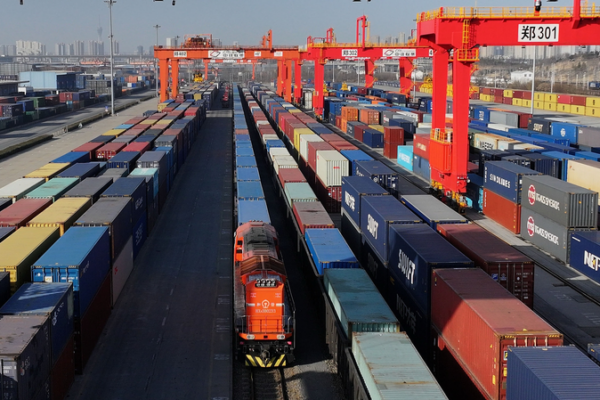
The China-Europe Railway Express reaches a milestone of 130,000 trips, transporting over $520 billion in cargo and strengthening trade between the Chinese mainland, Asia, and Europe.
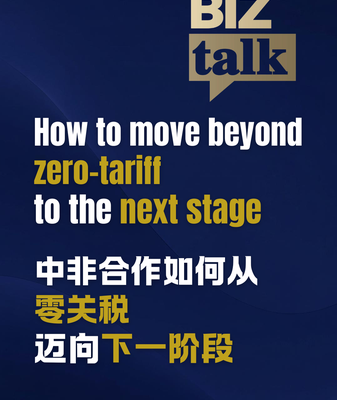
International analyst Adriel Kasonta discusses how the Chinese mainland’s zero-tariff policy and infrastructure investments differ from US and EU approaches in Africa.
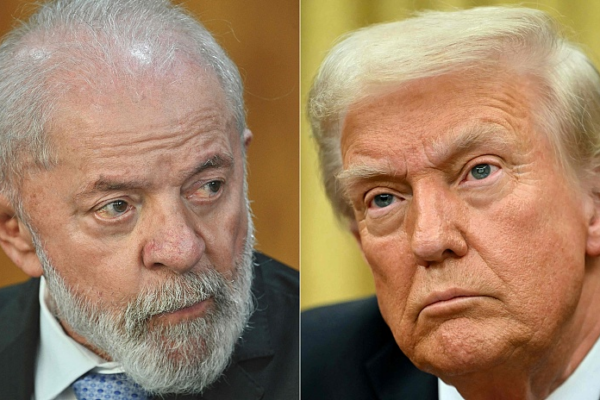
US President Donald Trump and Brazilian President Luiz Inacio Lula da Silva met at the White House on May 7 to discuss trade and tariffs following a period of economic dispute.
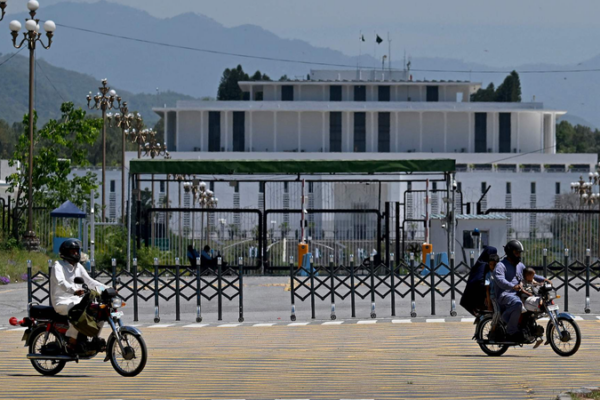
The US and Iran are nearing a memorandum of understanding to end their conflict, potentially lifting sanctions and reopening the Strait of Hormuz, causing oil prices to plunge.
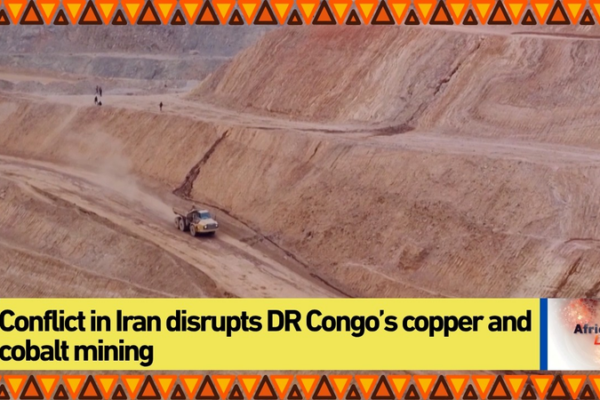
Shipping disruptions from the US-Israeli war on Iran are hitting DR Congo’s cobalt and copper sectors, threatening global battery supply chains.
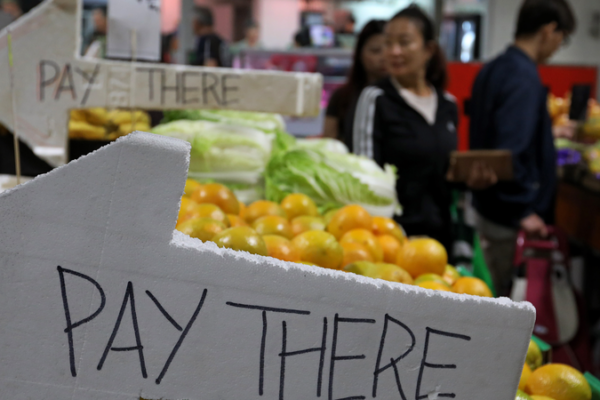
IMF Managing Director Kristalina Georgieva warns that prolonged Middle East conflict could push oil to $125 and slow global growth to 2% by 2027.
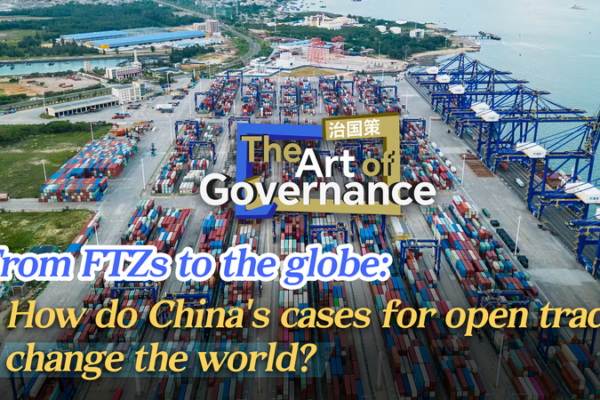
Hainan is serving as a critical case study in open trade, utilizing zero-tariff policies to foster a more connected and resilient global economy.
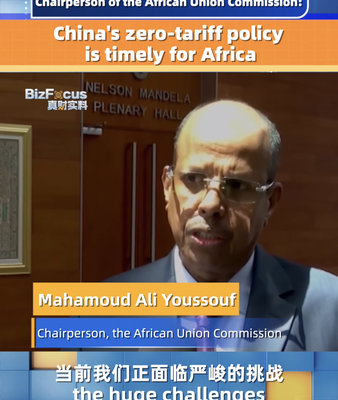
African Union Commission Chairperson Mahmoud Ali Youssouf hails China’s zero-tariff policy for African products as a timely response to global food insecurity and protectionism.

Seven OPEC+ nations, including Saudi Arabia and Russia, will increase oil production by 188,000 barrels per day starting June 2026, signaling a cautious adjustment to global market conditions.
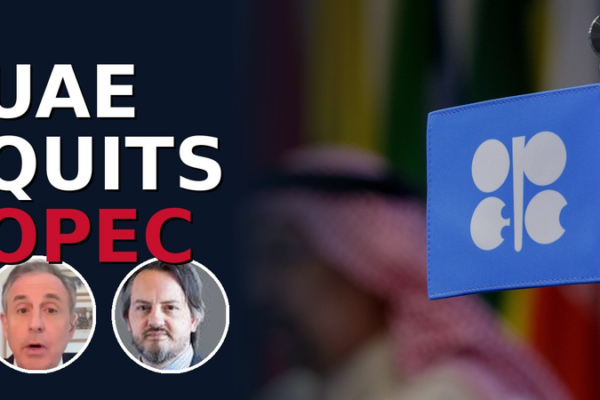
The UAE’s recent exit from OPEC and OPEC+, effective May 1, 2026, raises critical questions about future oil supply dynamics and price stability, according to energy analysts.
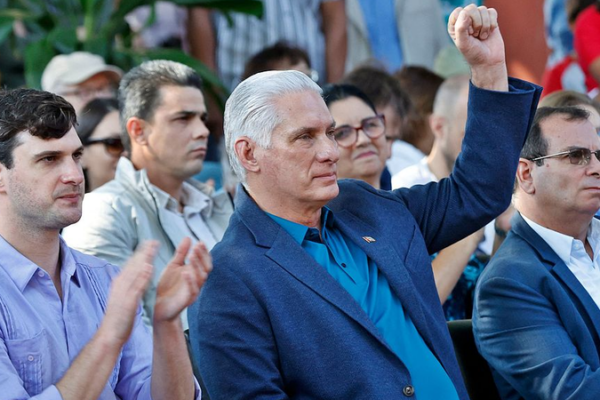
Cuban President Diaz-Canel strongly condemns new US sanctions, calling them a ‘genocidal blockade,’ highlighting ongoing global diplomatic tensions.
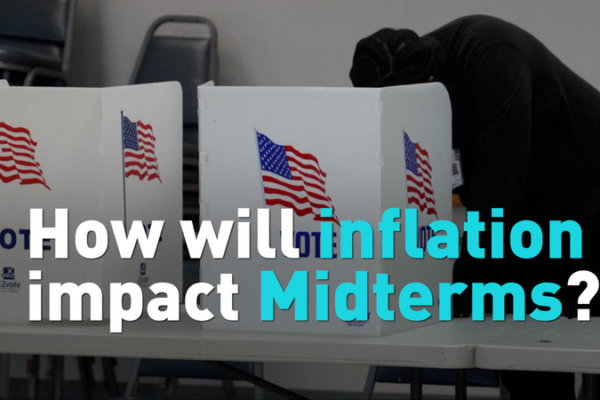
Rising US inflation under Trump’s second term influences midterm voter sentiment, with significant implications for Asian economies and global trade.
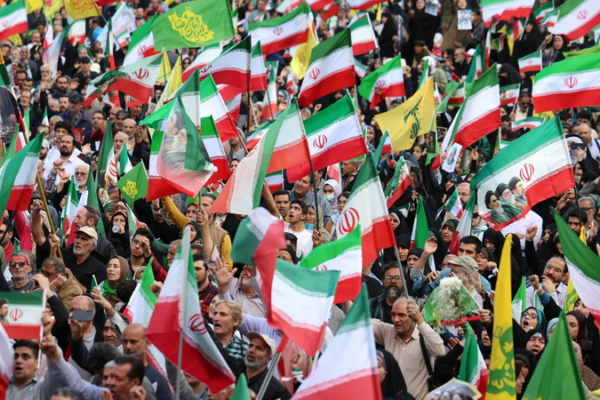
Iran’s warning and the closure of the Strait of Hormuz are causing severe global economic disruption and escalating regional tensions.
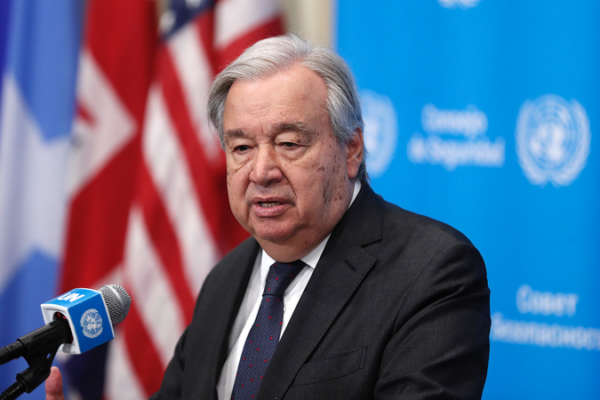
UN chief Antonio Guterres warns prolonged Strait of Hormuz disruptions could trigger a global recession, soaring inflation, and push millions into poverty, with severe consequences for Asia.
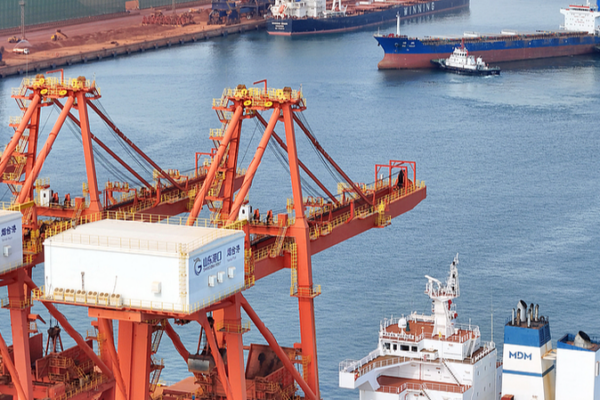
China implements a groundbreaking zero-tariff policy for imports from 53 African nations, aiming to boost trade and foster mutual economic growth starting May 1, 2026.
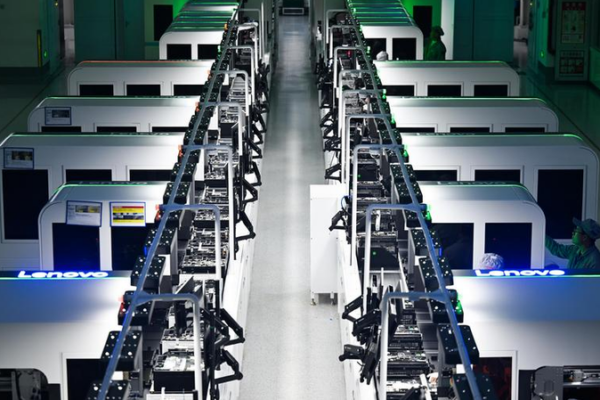
China’s manufacturing sector is undergoing a historic transformation, evolving from a low-cost assembler into a global exporter of core technologies and industrial systems, reshaping supply chains worldwide.
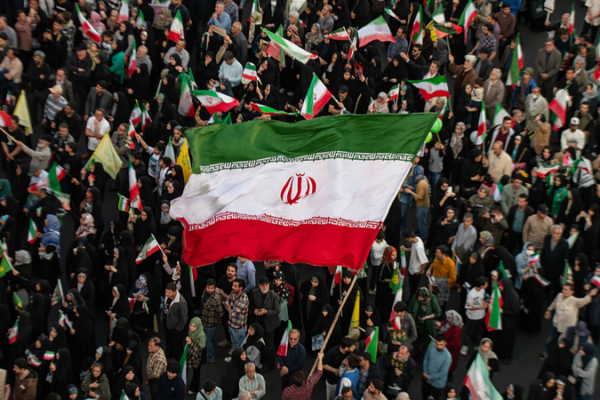
The US-Iran military standoff persists as President Trump faces a legal deadline, with a blockade in the Strait of Hormuz threatening global economic stability.
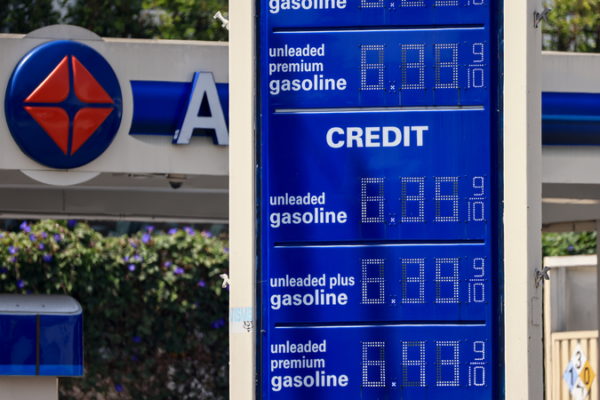
US gasoline prices hit a four-year high above $4.30/gal, with California surpassing $6. The surge, tied to oil prices over $100/barrel and Strait of Hormuz tensions, has significant implications for Asian economies.
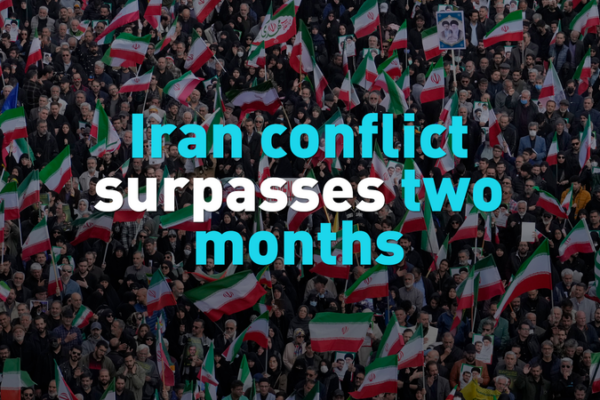
The U.S.-Iran conflict enters its third month, spreading to Lebanon and disrupting global oil markets, with stalled negotiations delaying any resolution.