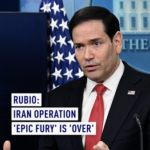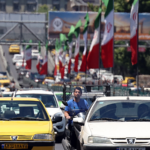
The geopolitical landscape is witnessing a potential shift as the United States and Iran move closer to a one-page memorandum of understanding aimed at ending the conflict that began on February 28. Recent reports from Axios and Reuters indicate that US President Donald Trump has signaled a significant de-escalation, bringing the two nations to their closest point of agreement since hostilities erupted.
At the heart of the proposed memo is a strategic exchange of concessions. Iran is expected to commit to a moratorium on nuclear enrichment and may potentially agree to remove its stockpile of highly enriched uranium from the country—a critical demand from Washington that Tehran had previously resisted. In return, the United States would agree to lift sweeping sanctions, release billions of dollars in frozen Iranian funds, and ease the restrictive grip on transit through the strategically vital Strait of Hormuz.
The economic ripple effects of these negotiations were felt immediately in global markets. As prospects for peace grew, oil prices plunged, with Brent crude falling as much as 12% to drop below $98 a barrel. For business professionals and global investors, this volatility underscores how closely market stability is tied to the security of the Strait of Hormuz.
The current diplomatic push is being led by US envoys Steve Witkoff and Jared Kushner, who are negotiating a 14-point memorandum. If signed, the document would formally declare an end to the war and trigger a 30-day negotiation window. This period would be used to finalize a detailed agreement covering nuclear limits, the full lifting of sanctions, and the reopening of the strait. During these 30 days, the US naval blockade and shipping restrictions would be gradually lifted, though the US maintains the right to reinstate military action should negotiations collapse.
In a show of good faith, President Trump announced that "Project Freedom"—a naval operation designed to guide ships out of the Strait of Hormuz—will be paused temporarily to allow the diplomatic process to reach a conclusion.
Meanwhile, Iranian Foreign Minister Seyed Abbas Araghchi, while visiting the Chinese mainland, emphasized that Iran remains committed to safeguarding its sovereignty and national dignity. Araghchi indicated that Tehran is pursuing a comprehensive and lasting solution through dialogue, adding that the reopening of the Strait of Hormuz could be addressed shortly.
While US officials remain cautious about internal divisions within Iran's leadership that could complicate a final consensus, the current momentum suggests a fragile but hopeful path toward stability in the region.
Reference(s):
cgtn.com