

Global Business Experts Analyze China-US Trade Relations Amid Presidential Visit
Global business experts analyze the impact of US President Donald Trump’s visit to the Chinese mainland on trade, investment, and market confidence.
News & Insights Across Asia
Global business experts analyze the impact of US President Donald Trump’s visit to the Chinese mainland on trade, investment, and market confidence.

Global business leaders discuss the implications of President Trump’s visit to the Chinese mainland and the critical role of China-US cooperation in the current global economy.
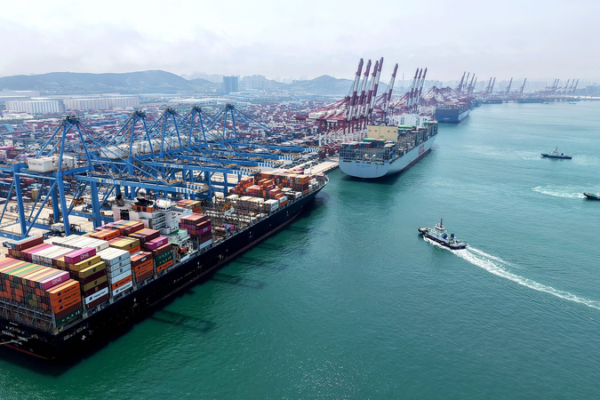
Chinese President Xi Jinping emphasizes the mutually beneficial nature of China-US economic ties during high-level talks with President Donald Trump in Beijing.
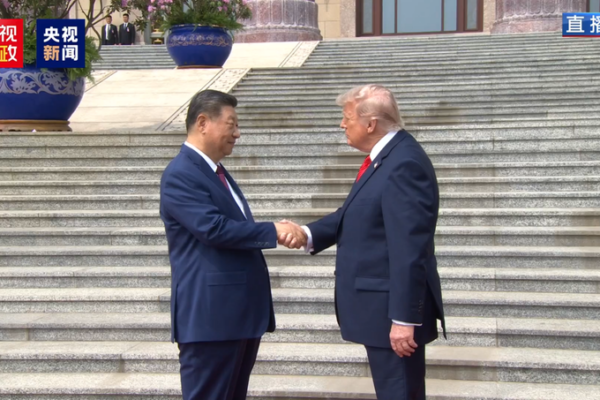
Chinese President Xi Jinping and US President Donald Trump meet in Beijing for a welcome ceremony, marking a key moment for international diplomacy.
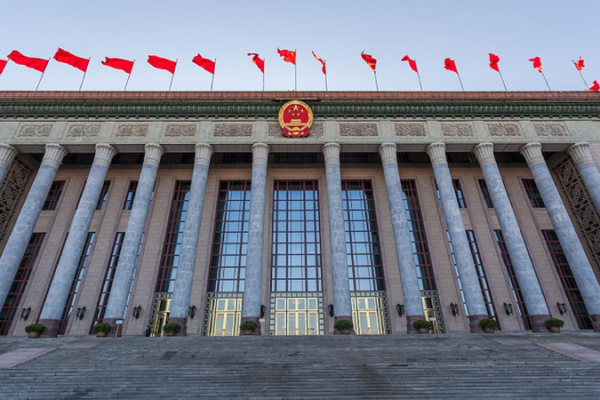
President Xi Jinping and President Donald Trump meet in Beijing this Thursday for high-level talks regarding trade, security, and global diplomacy.

A $3 billion EV battery plant in Michigan highlights the enduring trade ties between the US and the Chinese mainland during this week’s high-level summit in China.

African leaders and France adopt the Nairobi Declaration, pledging €23 billion in investments to transition Africa from an aid recipient to a strategic global partner.
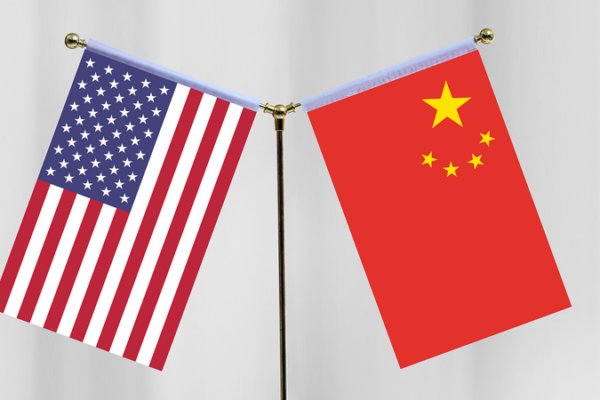
The CCPIT highlights the vast potential for pragmatic cooperation as US business leaders visit the Chinese mainland during President Trump’s state visit.

Margery Kraus, founder and executive chair of APCO, discusses why multinationals remain optimistic about the Chinese mainland market and the necessity of China-US cooperation.

An analysis of the intricate balance between competition and cooperation between the US and the Chinese mainland and its impact on global stability.

Chinese and US delegations meet at Incheon International Airport in the Republic of Korea to launch vital economic and trade consultations.

Chinese and US delegations meet at Incheon International Airport in the Republic of Korea on May 13, 2026, to discuss critical economic and trade issues.
A global survey reveals that 75% of respondents believe stable China-US relations are crucial for international peace, stability, and economic prosperity.

The United Nations appreciates the continued dialogue between China and the United States, noting that managing differences between the two largest economies boosts global stability.
Chinese Foreign Ministry spokesperson Guo Jiakun affirms that China-US economic relations are mutually beneficial and calls for stability to bolster the global economy.

A look at the economic relationship between the world’s largest economy and its leading growth driver, and their combined impact on global stability.
As leaders meet in Beijing, experts analyze the critical challenges, cooperation prospects, and tariff adjustments shaping China-US relations in 2026.

Former US Assistant Secretary of the Treasury Paul Craig Roberts shares insights on why China’s growth was predictable and the role of its massive internal economy.
US President Donald Trump will visit China from May 13-15, 2026, meeting President Xi Jinping to address geopolitical tensions and global economic recovery.
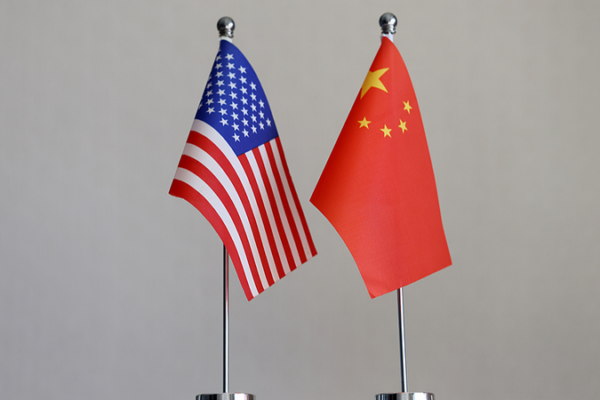
US President Donald Trump will visit China from May 13-15. The world watches to see if the summit can stabilize relations and provide global certainty.