As of early May 2026, a tense military and diplomatic impasse between the United States and Iran shows no signs of abating. The situation has entered a critical phase, with U.S. President Donald Trump facing a legal deadline under the War Powers Resolution. The law mandates that the president must terminate any unauthorized use of military force within 60 days unless Congress provides specific authorization.
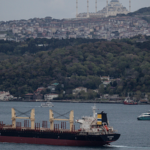
The current standoff, which began in February, has been characterized by a 'dual blockade.' U.S. naval forces have restricted access to Iranian ports, while Iran's effective closure of the Strait of Hormuz, a vital global oil chokepoint, has created a prolonged military deadlock. This Friday marks the crucial deadline for President Trump to either end the hostilities or secure congressional approval to continue them.
In a recent development, a senior Trump administration official stated that, for the purposes of the War Powers Resolution, hostilities with Iran have 'terminated.' However, the on-the-ground reality tells a different story. Iranian President Masoud Pezeshkian recently criticized the U.S. naval blockade, calling it an 'extension of military operations' against his nation. "Continuation of this oppressive approach is intolerable," he stated on social media platform X.
The economic fallout from the stalemate is sending shockwaves through the global economy, with particular resonance across energy-dependent Asia. Oil prices have remained stubbornly above $100 per barrel, raising concerns about inflation and growth. The situation in the Strait of Hormuz is a primary concern for major Asian economies that rely on the waterway for their energy imports.
United Nations Secretary-General Antonio Guterres recently issued a stark warning about the potential consequences. He cautioned that prolonged disruption in the Strait of Hormuz could lead to plummeting economic growth, skyrocketing inflation, and immense suffering for the world's most vulnerable populations. "We confront the specter of a global recession," Guterres said, highlighting the widespread impact of the regional crisis.
The ongoing deadlock presents a complex challenge for the international community. While the legal clock ticks in Washington, the economic and humanitarian costs continue to mount, underscoring the urgent need for a diplomatic breakthrough to de-escalate tensions and restore stability to a critical region.
Reference(s):
Negotiation deadlock continues, Trump faces legal deadline to end war
cgtn.com