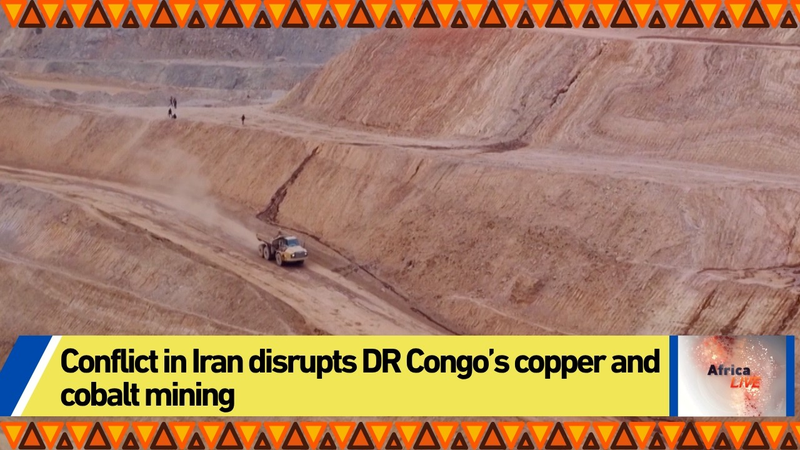
The global supply chain for critical minerals is feeling the ripple effects of geopolitical instability in the Middle East. The Democratic Republic of Congo (DR Congo), the world's leading producer of cobalt, is currently facing significant disruptions in its copper and cobalt mining sectors due to the ongoing US-Israeli war on Iran.
As the source of approximately 70 percent of the world's cobalt, DR Congo plays a pivotal role in the modern tech economy. Cobalt is an indispensable component in the manufacture of rechargeable batteries, powering everything from smartphones and laptops to the rapidly growing electric vehicle (EV) market.
Logistical Bottlenecks and Rising Costs
The crisis is primarily logistical. Mining operations in DR Congo rely heavily on imported fuel and specialized industrial chemicals essential for processing minerals. With the closure of the Strait of Hormuz, key shipments have been delayed or cancelled entirely.
"The mining industry depends heavily on fuel and other chemical inputs required for cobalt processing, all of which are imported. Therefore, the closure of the Strait of Hormuz is significantly impacting the mining industry," noted mining expert Jean-Pierre Okenda.
This supply chain fracture has forced some mining firms to scale back their operations as transport and input costs soar. Economic analyst Luc Alouma Mwakobila highlighted the domestic impact, stating, "Our local production in DR Congo and many other African countries relies on imported inputs such as chemicals and other supplies that power factories and industries. Consequently, when international market prices rise, it is reflected here at home."
Searching for Alternatives
In an effort to mitigate the crisis, authorities have pivoted toward alternative shipping routes. Shipments rerouted through Tanzania's Dar es Salaam Port have nearly doubled since the conflict began, though this shift comes with its own set of logistical challenges and costs.
Beyond the industrial impact, the disruption has deprived the DR Congo of critical revenue. This economic blow further exacerbates the existing financial strain caused by ongoing unrest in the country's eastern region, highlighting how far-reaching the consequences of the Middle East conflict truly are.
Reference(s):
cgtn.com