
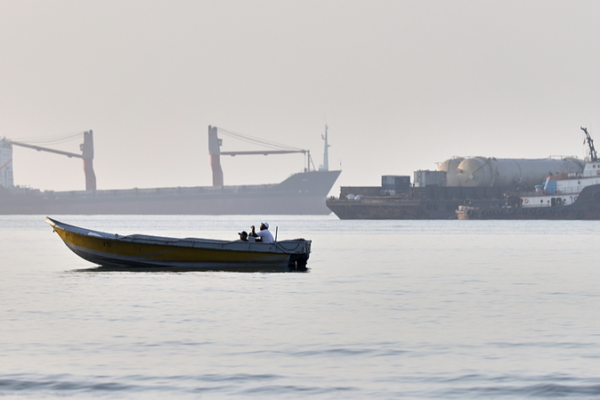
Oil Shock 2026: How the Strait of Hormuz Crisis is Driving Brent Crude to $87
Brent crude forecasts jump to $87 as the Strait of Hormuz faces severe disruptions following military strikes and tightened Iranian control.
News & Insights Across Asia
Brent crude forecasts jump to $87 as the Strait of Hormuz faces severe disruptions following military strikes and tightened Iranian control.
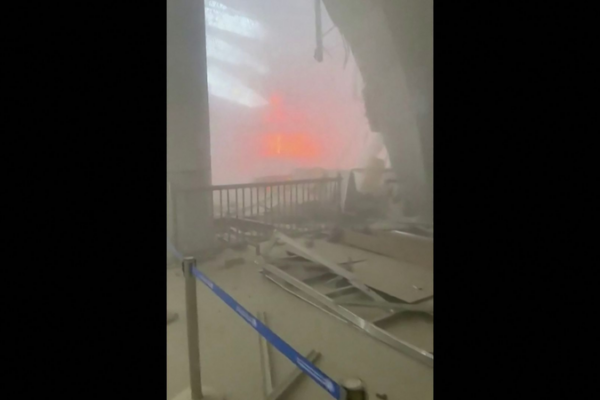
Middle East instability peaks as Kuwait’s airport is hit, the US targets an Iranian-bound tanker, and the OECD warns of a looming global recession.

Starting today, the St. Petersburg Economic Forum highlights Russia’s strategic energy pivot toward the Chinese mainland and the Global South amid shifting global dynamics.

As the St. Petersburg Economic Forum begins today, Russia signals a strategic energy shift toward the Chinese mainland and the Global South amid evolving geopolitical tensions.
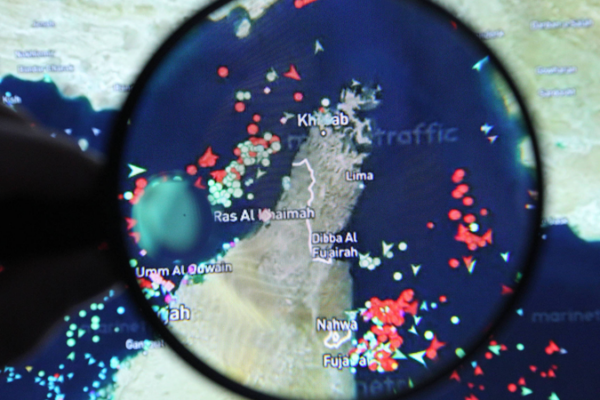
Explore the significance of real-time maritime tracking in the Strait of Hormuz and its vital role in monitoring global energy security and trade.
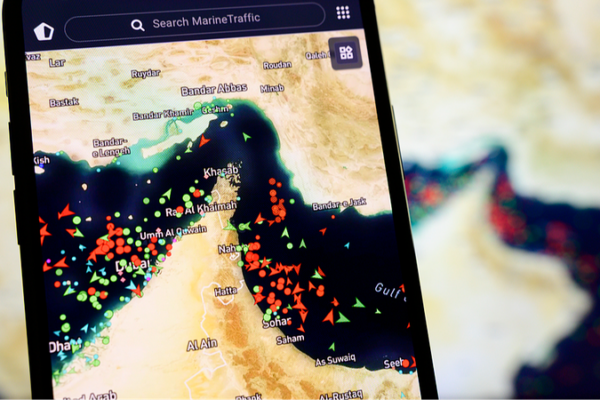
Explore the critical importance of live ship tracking in the Strait of Hormuz and its impact on global energy security and Asian markets in 2026.
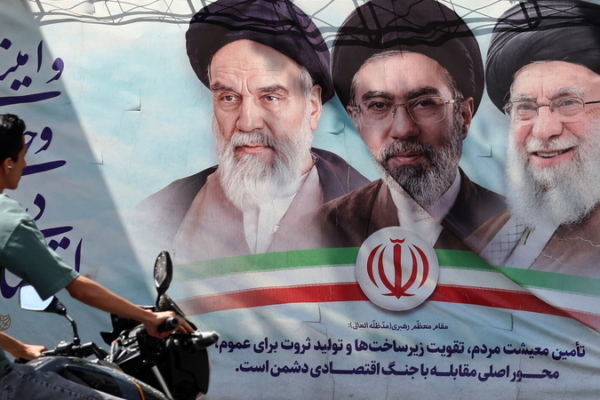
US and Iran trade warnings of renewed war over nuclear red lines, while Israel expands military operations in southern Lebanon, raising global energy security concerns.
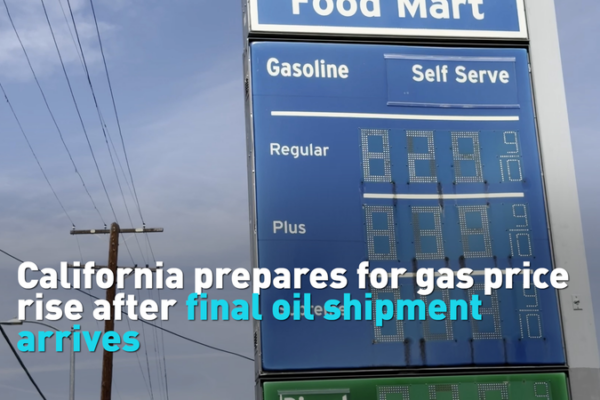
California anticipates gas price hikes as the final Middle Eastern oil shipment arrives and tensions involving Iran disrupt global energy supply chains.
President Xi Jinping calls for an immediate cessation of hostilities in the Middle East during talks with President Putin to ensure global energy and supply chain stability.
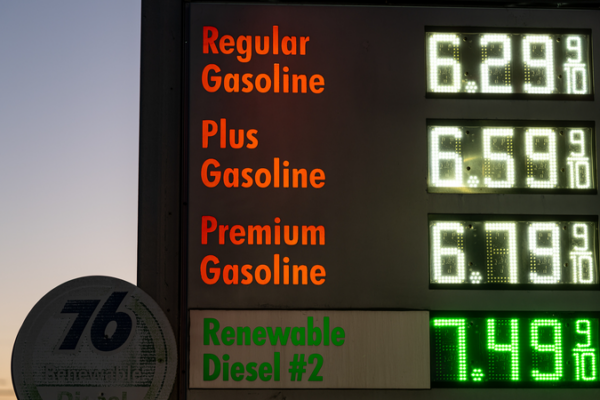
A CF40 study suggests that oil import dependency, rather than traditional status, is driving currency performance during the current Strait of Hormuz disruptions.

US Treasury Secretary Scott Bessent announces a 30-day license for stranded Russian oil to stabilize markets amid surging energy prices linked to the Iran war.
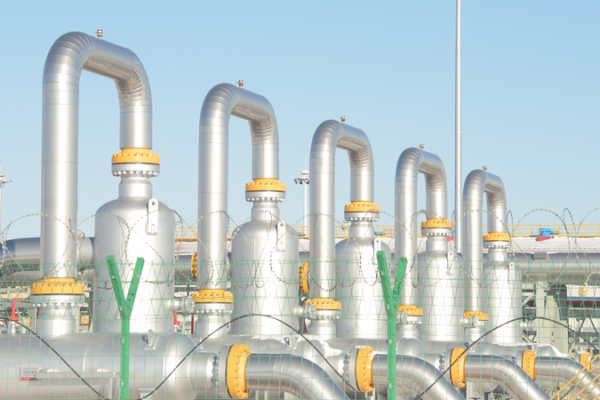
China and Russia are deepening their energy partnership through expanded oil, gas, and LNG projects, while pioneering new clean-energy hydrogen corridors.
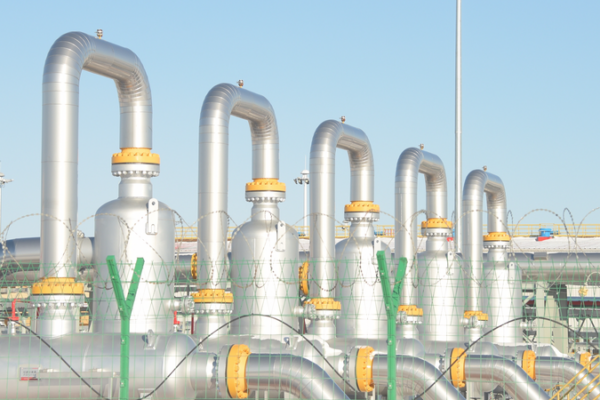
China and Russia are deepening their energy ties, combining stable fossil-fuel supply chains with new clean-energy initiatives to ensure regional energy security.
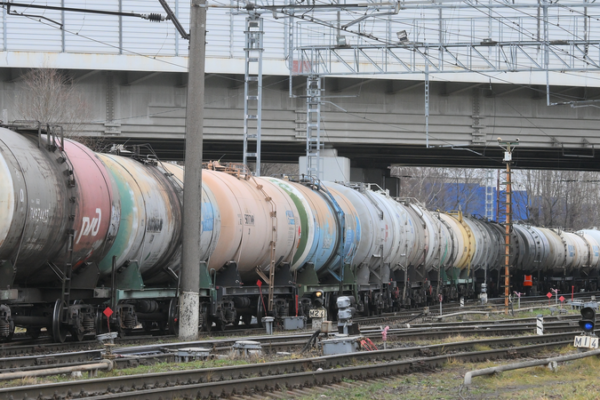
Three people were killed and several injured following a massive long-range Ukrainian drone attack on the Moscow region, including a strike on a major oil refinery.
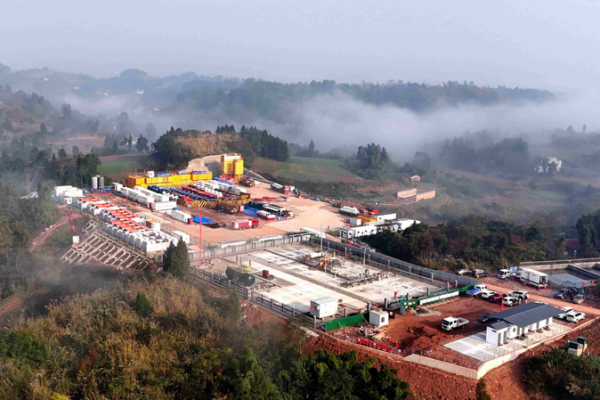
China has confirmed its first ultra-deep shale gas field in Sichuan, boasting over 235 billion cubic meters of reserves and marking a milestone in energy exploration.

Former US diplomat David Satterfield suggests China holds the upper hand in current talks with President Donald Trump, citing global market dominance and energy interests.
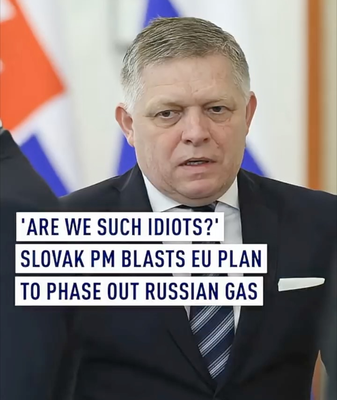
Slovak PM Robert Fico warns that phasing out Russian gas could result in higher costs and increased profit margins for American suppliers.
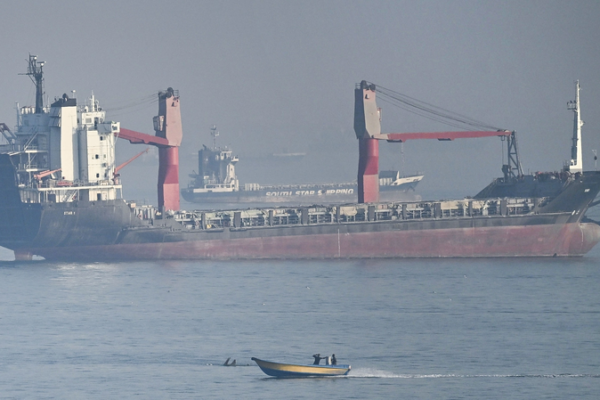
A Qatari LNG tanker has successfully navigated the Strait of Hormuz for the first time since February, signaling a potential shift in regional tensions.

Following the 48th ASEAN Summit, regional leaders are coordinating efforts to combat energy shortages and food insecurity driven by geopolitical crises in the Middle East.
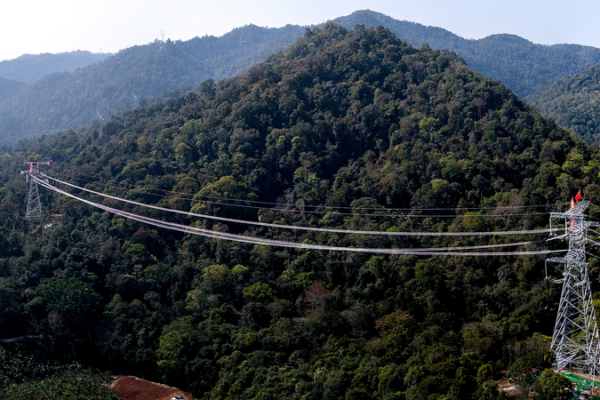
Brent crude prices nearing $120 per barrel are forcing ASEAN leaders into emergency coordination, testing the region’s energy transition momentum amidst Middle East volatility.