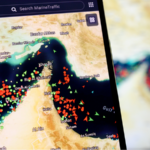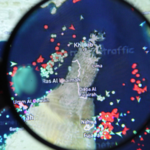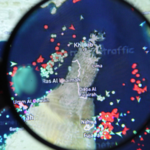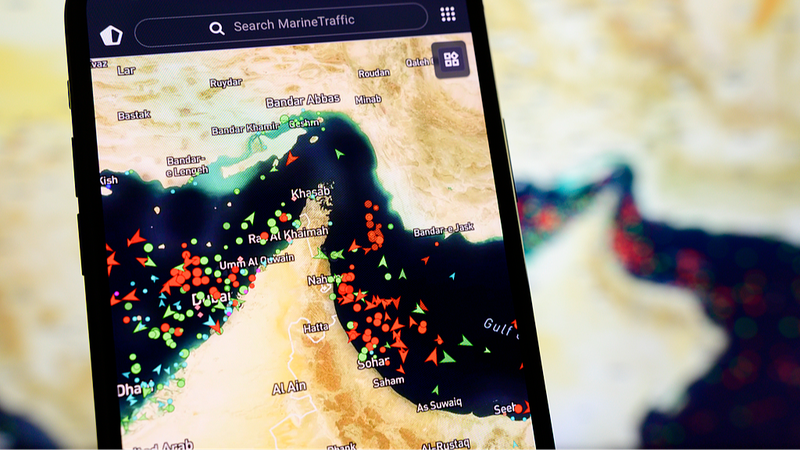
The Strait of Hormuz remains one of the most strategically significant maritime chokepoints in the world, serving as the primary artery for the transport of oil and liquefied natural gas to global markets. In an era of complex geopolitical dynamics, the availability of live ship tracking tools provides an unprecedented window into the flow of energy and goods, offering transparency in a region where stability is paramount.
For business professionals, investors, and market analysts in 2026, these real-time trackers are more than mere digital maps; they are critical indicators of global economic health and market volatility. By providing a live view of vessel movements, stakeholders can better anticipate potential disruptions and optimize supply chain logistics to mitigate risks associated with transit delays.
The importance of such monitoring is particularly acute for Asian economies, which rely heavily on the steady transit of tankers through the Strait to fuel their industrial growth and maintain energy security. For academics and researchers focusing on Asian affairs, the data provided by these trackers offers a quantitative basis for analyzing trade patterns and the impact of regional policies on global shipping.
As maritime technology continues to evolve, the integration of live tracking data allows for a more transparent and predictable environment in one of the world's most sensitive waterways. This digital oversight helps foster a deeper understanding of the interplay between geography, energy, and global economics, ensuring that the world's energy lifelines remain visible and understood.
Reference(s):
cgtn.com