Regional Instability Reaches Boiling Point
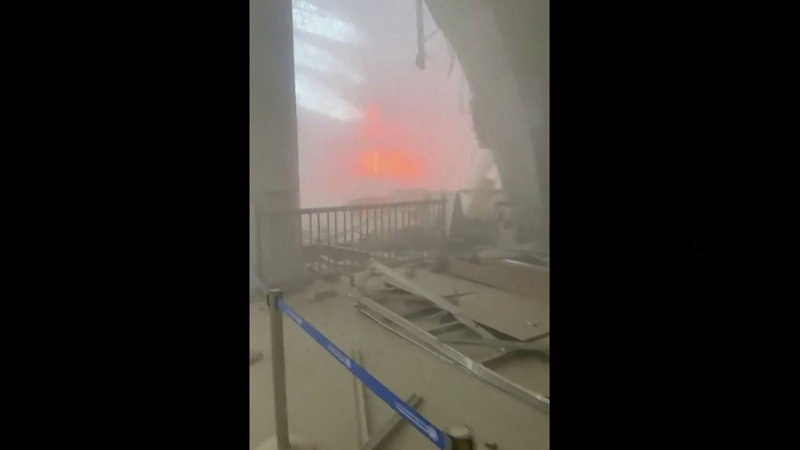
The Middle East is facing a period of intense volatility as strikes and counterstrikes between the United States and Iran have left neighboring nations caught in the crossfire. In a distressing turn of events this Wednesday, June 3, 2026, Kuwait reported that its international airport was hit, resulting in the immediate suspension of air traffic. The strike has left dozens of people injured and resulted in one confirmed fatality, highlighting the precarious nature of regional security.
Naval Confrontations and Strategic Strikes
The current escalation follows a targeted US operation on Tuesday, June 2. According to the US Central Command (Centcom), the US hit the M/T Lexie, a Botswana-flagged tanker attempting to break through the blockade of the Strait of Hormuz. The unladen vessel was navigating international waters toward Kharg Island and had allegedly ignored multiple warnings over the preceding 24 hours. A Hellfire missile was used to target the tanker's engines, effectively disabling its operations.
Diplomatic Friction and Regional Conflict
Against this backdrop of military action, US President Donald Trump has expressed a desire to meet with Iran's new supreme leader, Ayatollah Mojtaba Khamenei. However, diplomatic relations within the region remain strained. President Trump recently confirmed a phone call with Israeli Prime Minister Benjamin Netanyahu that involved profanity, stemming from repeated Israeli incursions into Lebanon to target Hezbollah fighters.
The instability has extended into Lebanon, where Israeli strikes hit a target near the capital, Beirut, on Wednesday. This occurred shortly after President Trump reportedly ordered Prime Minister Netanyahu to avoid the city. Meanwhile, the International Atomic Energy Agency (IAEA) revealed on Tuesday that the UAE's Barakah nuclear plant was targeted by a drone attack on May 17. IAEA chief Rafael Grossi noted that the attack hit an electricity facility, creating a "serious situation" that risked shutting down the plant.
Economic Fallout and Financial Sanctions
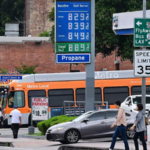
The geopolitical turmoil is sending shockwaves through the global economy. The Organisation for Economic Co-operation and Development (OECD) has warned that the world is set for recessions and severe energy shortages as rising energy costs dampen business investment and consumer spending. The OECD's Economic Outlook suggests that emerging economies will be hit hardest if these conflicts drag into 2027.
Simultaneously, the US Treasury has escalated financial pressure on Iran by issuing new sanctions against Nobitex, the country's largest cryptocurrency exchange. This follows investigations linking the exchange's controlling interests to the Islamic Revolutionary Guard Corps (IRGC) and Iran's central bank.
Gaza Strategy and Internal Israeli Pressures
Disagreements over the future of Gaza have also surfaced within the US-Israeli partnership. US Secretary of State Marco Rubio recently criticized Prime Minister Netanyahu's pledge to take control of 70 percent of the Gaza strip, stating that such a move is not part of President Trump's 20-point peace strategy.
Amidst these external pressures and questions regarding his political survival, Prime Minister Netanyahu has announced a 13 billion shekel investment (over $4.5 billion) to secure and develop northern Israeli communities along the border with Lebanon, following sustained attacks from Hezbollah.
Reference(s):
Kuwait airport on fire after US attacks tanker heading for Iran
cgtn.com