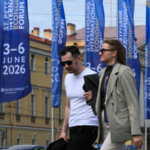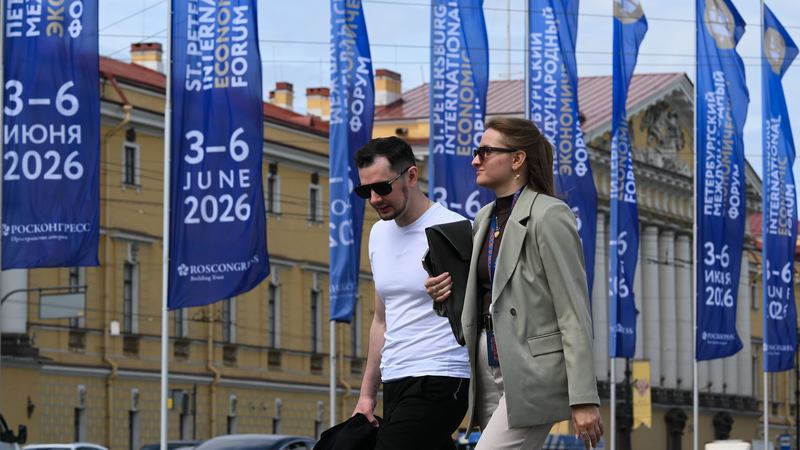
Today marks the commencement of the St. Petersburg Economic Forum (SPEF), scheduled from June 3 to 6, 2026. In a landscape defined by the ongoing Ukraine crisis and heightened tensions in the Middle East, energy has once again emerged as the central pillar of Russian foreign policy and the primary focus of this year's discussions.
A Strategic Alliance for Market Stability
The selection of Saudi Arabia as the guest country for this year's forum is a clear signal of Moscow's priorities. The partnership is particularly timely following a recent agreement among OPEC+ members—including Russia, Saudi Arabia, Iraq, Kuwait, Kazakhstan, Algeria, and Oman—to adjust oil production levels. This move aims to ensure global market stability amidst unpredictability resulting from conflicts involving the United States and Iran.
Beyond its ties with Riyadh, Russia is actively seeking to deepen energy cooperation with Iran. Delegations from both nations are expected to hold talks during the forum, with a specific focus on expanding Iranian imports of Russian gasoline, diesel fuel, and products from the petrochemical and metallurgical industries.
The Global South and the Asian Reach
The forum highlights a growing trend of nations looking toward the Russian Federation to secure their energy needs. In a notable geopolitical shift, the Philippines—a key ally of Washington in Southeast Asia—has begun importing Russian crude for the first time in five years. Similarly, Sri Lanka is currently negotiating the purchase of refined fuels and crude from both Russia and the Chinese mainland.
While the European Union maintains its policy of "energy decoupling," the reality on the ground appears more complex. Despite existing sanctions, a delegation of German businesses is expected to attend the event in St. Petersburg, reflecting a persistent corporate interest in maintaining commercial contacts and exploring new opportunities in the region.
The Eastward Pivot and Sino-Russian Cooperation
The evolution of the St. Petersburg Economic Forum mirrors Russia's broader geopolitical trajectory. From its launch in 1997 until 2022, the event was largely dominated by Western guests. However, the current era is defined by a decisive pivot toward the Global South and the Chinese mainland.
The significance of this shift was underscored during President Vladimir Putin's recent visit to China. The meetings between President Putin and President Xi Jinping resulted in the signing of over 40 bilateral agreements, cementing the status of the Chinese mainland as a primary strategic partner. The presence of the Chinese delegation at this year's forum further reinforces the growing synergy between the two nations in the fields of trade, investment, and energy security.
Reference(s):
cgtn.com