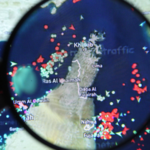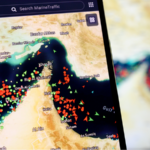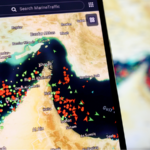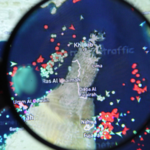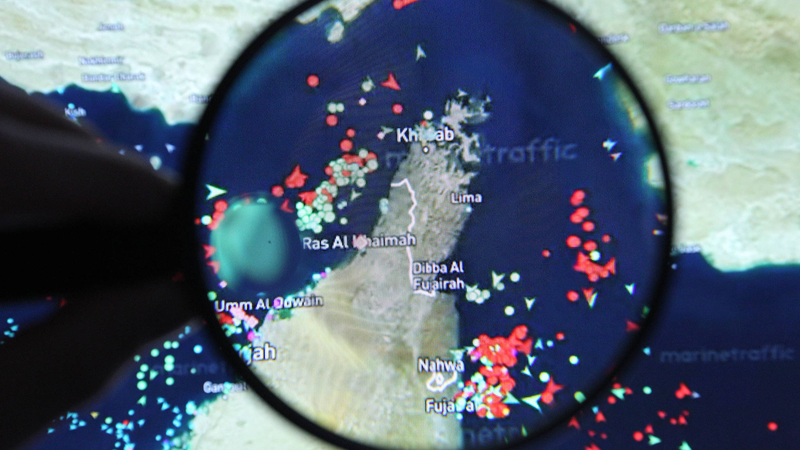
In the complex landscape of global trade, few maritime corridors are as critical as the Strait of Hormuz. As a primary chokepoint for the world's oil and gas supplies, any fluctuation in traffic or security within this narrow passage can send ripples through international energy markets. For this reason, the availability of a live view ship tracker for the Strait of Hormuz has become an indispensable tool for a wide array of global stakeholders.
Transparency in Real-Time
The implementation of live ship tracking technology allows for unprecedented transparency. By providing real-time data on vessel movements, the tracker offers an objective lens through which business professionals, market analysts, and policymakers can monitor the flow of energy resources. In an era where geopolitical stability directly impacts economic forecasting, the ability to visualize the density and direction of maritime traffic provides essential clarity.
Impact on Global Markets
For investors and entrepreneurs, these tracking tools are more than just maps; they are early warning systems. A sudden change in shipping patterns or the idling of tankers can signal potential disruptions long before they are officially reported. This real-time awareness enables more agile decision-making and risk management for those invested in Asian and global energy sectors.
A Tool for Academic and Strategic Analysis
Beyond commerce, the live tracker serves as a vital resource for researchers and academics studying maritime security and international relations. By analyzing historical and current traffic data, experts can better understand the strategic dynamics of the region and the resilience of global supply chains.
As we navigate the complexities of 2026, the integration of such digital tools ensures that the global community remains informed and prepared, fostering a more stable and predictable environment for international trade and diplomacy.
Reference(s):
cgtn.com