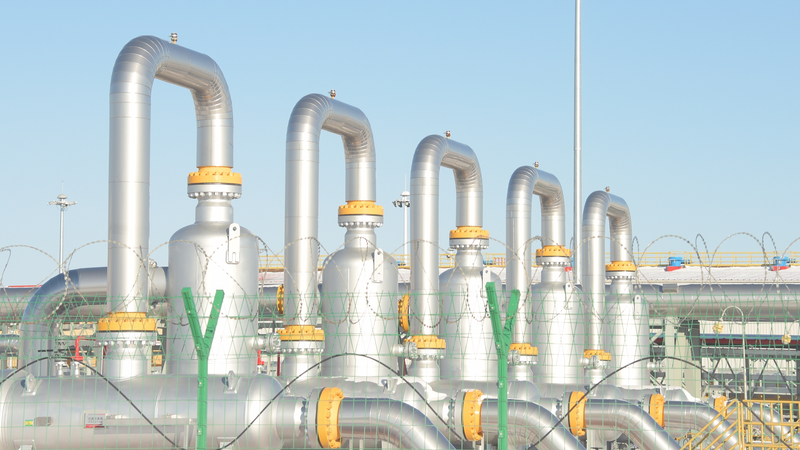
Amid continued volatility in global energy markets, China and Russia are accelerating the structural deepening of their energy partnership. This strategic alignment is anchored by stable fossil-fuel supply chains while simultaneously breaking new ground in next-generation clean-energy corridors, including cross-border hydrogen initiatives.
A Solidified Roadmap for Energy Trade
Bilateral energy coordination has seen significant growth since early 2025. Crude oil trade volumes have been structurally elevated to 30 million tonnes annually, further cementing China's position as the largest crude export market for Russia.
Expanding LNG and Pipeline Infrastructure
Recent developments in 2026 have further bolstered this relationship. In February 2026, Russia formally ratified additional cooperation arrangements related to the Yamal LNG project, strengthening long-term coordination in Arctic LNG development.
Pipeline cooperation also remains a cornerstone of the partnership. The Power of Siberia 1 pipeline reached full operational capacity in 2025, delivering 38 billion cubic meters of gas annually. Both nations have since agreed to further expand capacity along existing routes to ensure a steady flow of resources.
Strategic Goals and Energy Security
The drive toward deeper cooperation is rooted in a shared desire for stability. According to Interfax, Alexander Sinenko, the Kremlin's liaison to Russia's lower house of parliament, noted that a key task in strengthening China's energy security is the diversification of energy supply routes.
By blending traditional energy strengths with a forward-looking approach to hydrogen and clean energy, the two nations are building a resilient framework capable of navigating the complexities of the modern global energy landscape.
Reference(s):
Cross-border hydrogen: China and Russia deep energy cooperation
cgtn.com