The geopolitical landscape of West Asia is facing a period of heightened instability as the United States and Iran trade warnings of renewed conflict, while Israel intensifies its military operations in southern Lebanon. These developments have sparked concerns among global markets and international diplomatic bodies regarding regional stability and energy security.
US-Iran Standoff and Nuclear Red Lines
Tensions between Washington and Tehran have reached a critical juncture. President Donald Trump has asserted that any potential peace deal must adhere to strict "red lines," specifically ensuring that Tehran is never capable of developing nuclear weapons. Following these statements, the United States warned it is "more than capable" of resuming war with Iran if these conditions are not met.
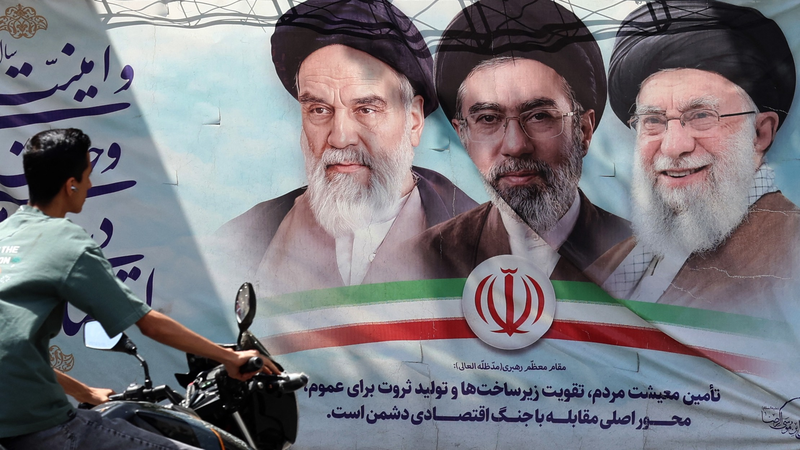
In response, Mohsen Rezaei, an adviser to Iran's Supreme Leader Mojtaba Khamenei, accused President Trump of "betraying diplomacy for the third time." Rezaei pointed to the continued naval blockade imposed on Iran and characterized the current US demands in negotiations as excessive.
Economic Ripples and Energy Security
The volatility in diplomacy is reflecting in the global economy. While oil prices have seen a decline due to investor optimism that a ceasefire extension might be reached, the underlying tension remains. The heads of the International Monetary Fund (IMF), World Bank, and International Energy Agency (IEA) have issued a joint warning regarding fuel security. They emphasized that if oil shipping through the Strait of Hormuz does not return to normal, there could be significant risks to fuel supplies during the peak demand summer months.
In a notable diplomatic development, Kazakhstan has offered to take possession of Iran's uranium stockpile, provided the US and Iran reach a formal accord on Tehran's contested nuclear program.
Escalation in Southern Lebanon
Simultaneously, the conflict between Israel and Hezbollah has intensified. Prime Minister Benjamin Netanyahu announced that Israeli forces have pushed deeper into Lebanese territory, leading the Israeli military to issue evacuation warnings for residents of seven villages in southern Lebanon.
Hezbollah has responded by firing rockets at the northern Israeli town of Kiryat Shmona. The human cost of the conflict continues to rise; the Lebanese health ministry reported that Israeli strikes in three areas of Tyre killed 11 people, including a rescuer and a Syrian national. The ministry condemned the attacks as a "flagrant violation of humanitarian law."
Military and Diplomatic Developments
Beyond the immediate conflict zones, the US announced it is currently "dismantling a sophisticated Iranian network" used to illicitly obtain sensitive military technology. Meanwhile, on a different front, the Iranian football federation is awaiting a decision from US authorities this week regarding World Cup visa applications. The squad is expected to be based in Mexico during the tournament, although their group stage matches are scheduled to take place within the US.
Reference(s):
US warns it can resume Iran war, Israel evacuates Lebanon villages
cgtn.com