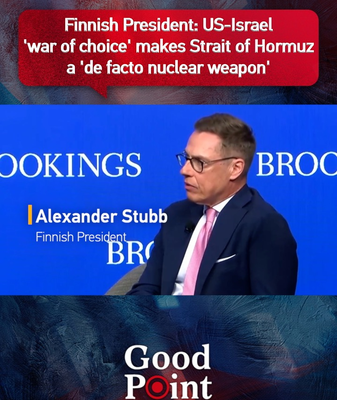
Finnish President Calls Strait of Hormuz a ‘De Facto Nuclear Weapon’
Finnish President Alexander Stubb warns Iran’s control over the Strait of Hormuz acts as a strategic weapon, reshaping Asia’s energy security landscape in 2026.
News & Insights Across Asia
Finnish President Alexander Stubb warns Iran’s control over the Strait of Hormuz acts as a strategic weapon, reshaping Asia’s energy security landscape in 2026.
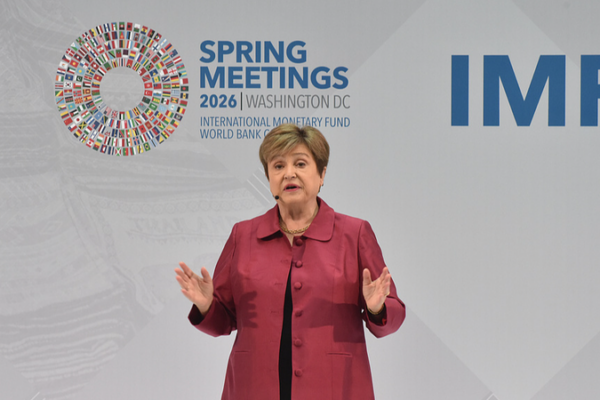
IEA, IMF, and World Bank leaders warn of global economic and energy disruptions from the Iran war, urging coordinated action to mitigate risks.
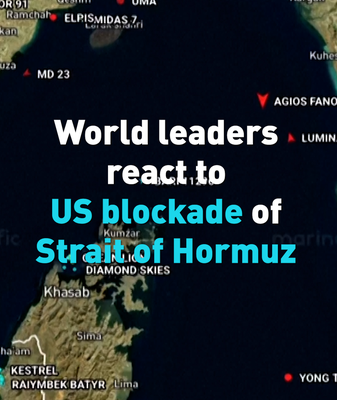
World leaders warn of economic fallout as US blockade disrupts critical oil shipping route. Global markets see immediate turbulence amid rising geopolitical tensions.
China calls for restraint and dialogue as US-Iran tensions threaten vital Hormuz Strait trade routes, emphasizing global stability.
Japan announces additional oil reserve release from May 2026 to stabilize supply amid Middle East disruptions, diversifying import routes and prioritizing critical sectors.
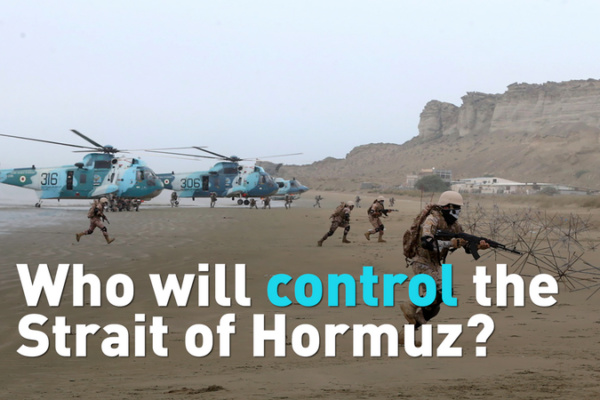
High-stakes Iran-US talks in Islamabad could redefine control over the Strait of Hormuz, a vital oil chokepoint affecting global energy markets and Asian economies.
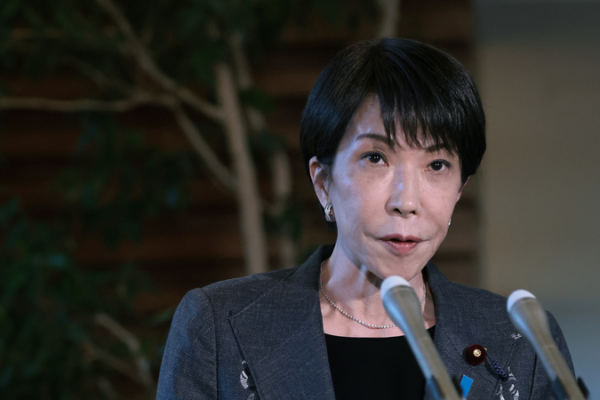
Japanese PM Sanae Takaichi urges Iran to ensure safe shipping through the Strait of Hormuz amid Middle East tensions, highlighting Japan’s energy security concerns.
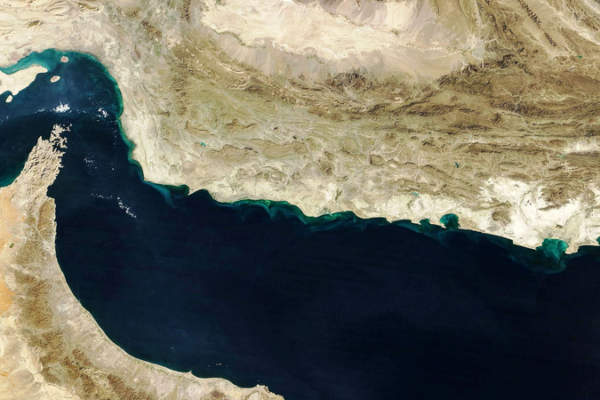
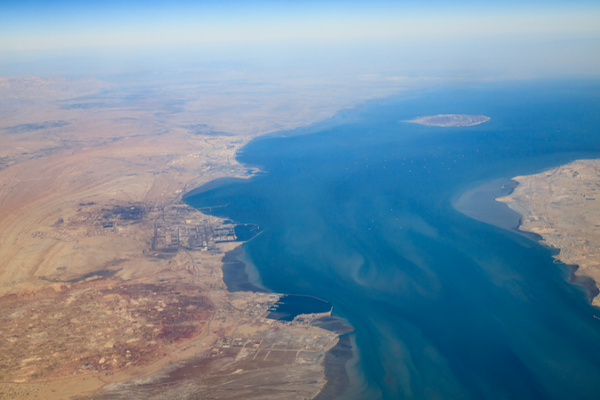
Maritime traffic through the Strait of Hormuz splits into Iran-controlled northern and Omani-aligned southern corridors, reshaping global energy shipping routes amid regional tensions.
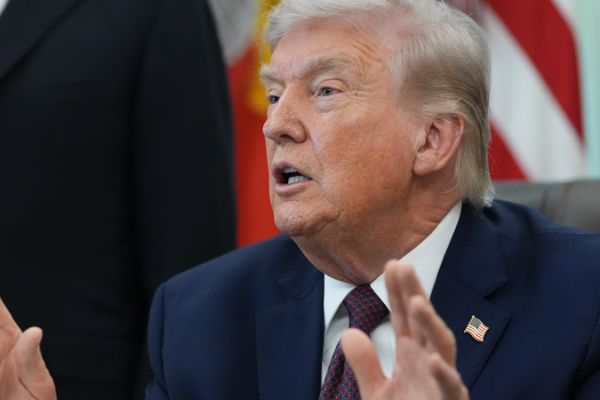
Global leaders react to Trump’s Easter social media post targeting Iran, with analysts weighing potential impacts on Asian energy markets and regional stability.
Pakistan brokers proposed Iran-US ceasefire plan to reopen Strait of Hormuz, potentially easing global energy market tensions in 2026.
Serbia discovers high-powered explosives near critical gas pipeline to Hungary, raising European energy security concerns as investigations continue.
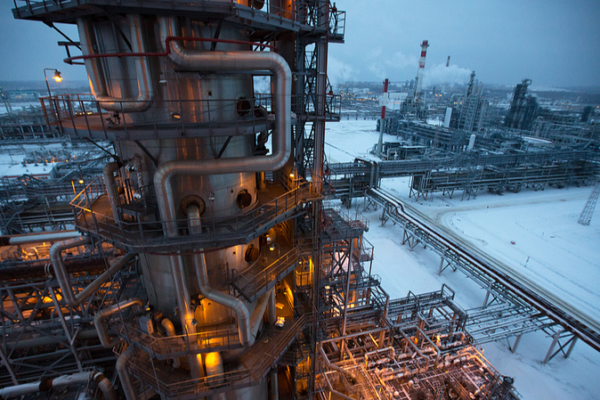
Recent Ukrainian drone strikes target Russia’s Primorsk port and NORSI refinery, disrupting oil exports and escalating regional tensions. Analysis of impacts on global markets.
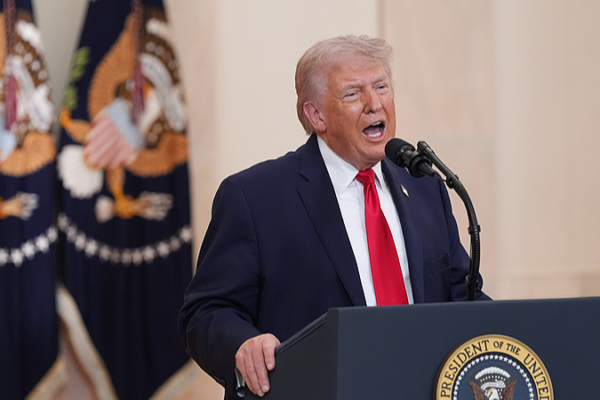
US President Trump’s address on the Iran war offered no clear exit plan, sparking analyst criticism and market volatility as tensions escalate.
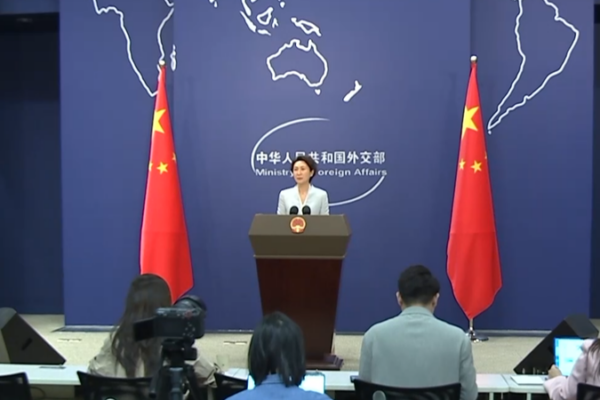
Chinese Foreign Ministry attributes Hormuz navigation issues to US-Israeli military actions, calls for regional ceasefire and global economic stability.
IEA, IMF, and World Bank form coordination group to address economic and energy impacts of the ongoing Middle East conflict, aiming to stabilize global markets.
Amidst Middle East tensions and soaring oil prices, China’s diversified energy strategy and green transition initiatives ensure stability and global leadership in 2026.
The Middle East conflict triggers historic oil market shifts in 2026, with sustained infrastructure attacks and Hormuz risks driving global energy concerns.
Egypt’s President Sisi warns Iran conflict could drive oil prices above $200/barrel, urges U.S. intervention to prevent global economic crisis.
As Middle East tensions escalate following March 2026 strikes, analysts debate whether the conflict will reach decisive resolution or descend into prolonged stalemate with global implications.
ROK President Lee Jae Myung announces emergency measures to counter Middle East tensions’ impact on energy security and the economy in 2026.