
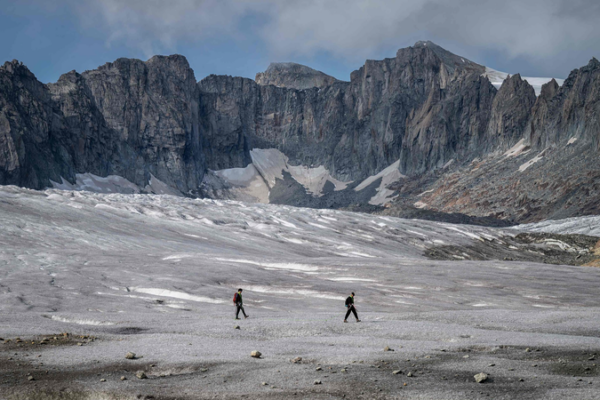
Europe’s Climate Alarm: Fastest Warming Continent Faces Record Extremes
Latest reports reveal Europe is warming faster than any other continent, with 2025 bringing record heatwaves, wildfires, and profound impacts on ecosystems and human health.
News & Insights Across Asia
Latest reports reveal Europe is warming faster than any other continent, with 2025 bringing record heatwaves, wildfires, and profound impacts on ecosystems and human health.
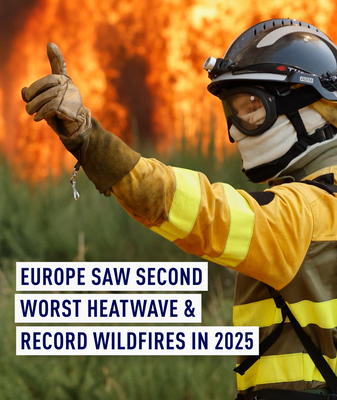
A new report reveals Europe suffered record wildfires and emissions in 2025 during a severe heatwave, highlighting the continent’s rapid warming.
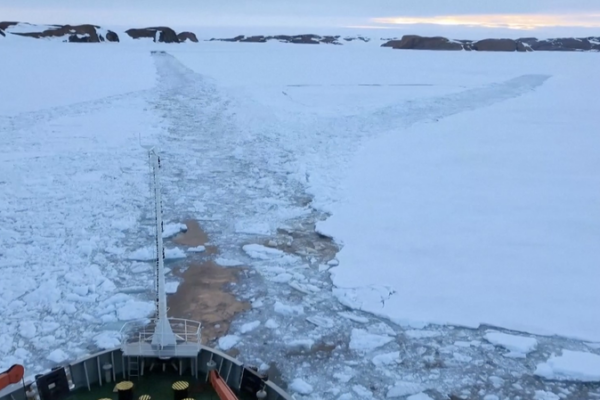
A new report from China warns of record Arctic warming and declining sea ice in 2025, with significant implications for global weather patterns and sea levels.
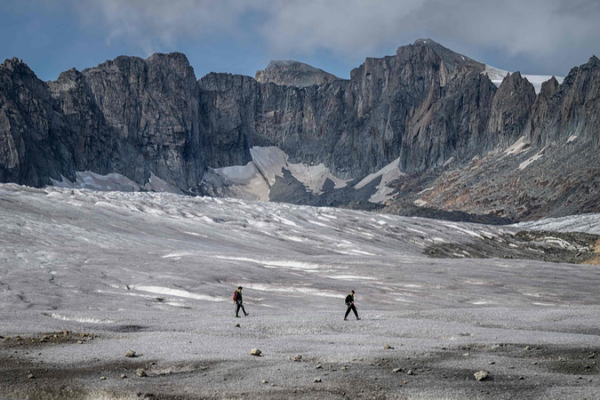
Europe faced record heatwaves, wildfires, and sea warming in 2025, with significant ecosystem impacts, according to a new EU and WMO report.
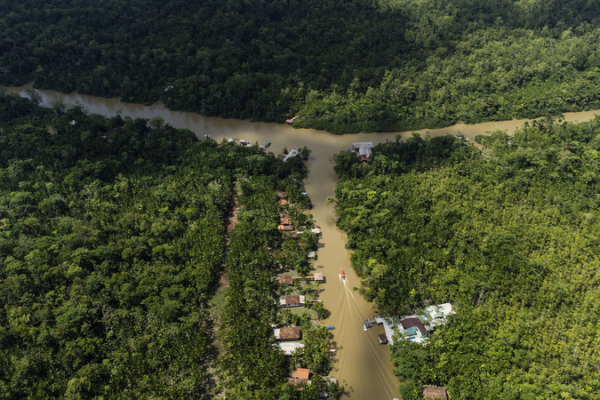
Deforestation in Brazil’s Amazon rainforest decreased by 17% in Q1 2026, marking a significant positive step for global climate efforts.

The Greater Hinggan Mountains awaken from winter, with red willows igniting the landscape—a vivid sign of spring and ecological change in Northeast Asia.
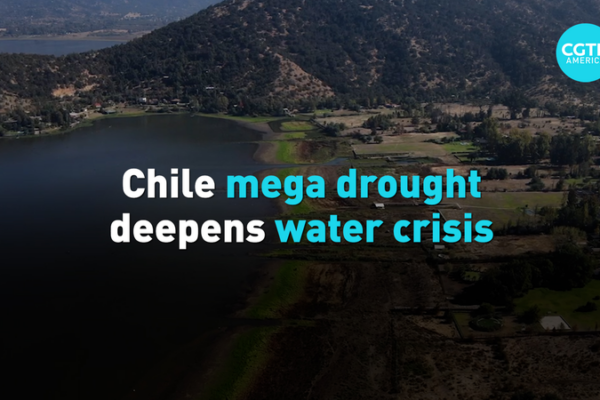
Chile faces a deepening water crisis as a prolonged ‘mega-drought’ persists, highlighting global climate challenges with lessons for resource management worldwide.

Satellite imagery reveals the final breakup of the world’s former largest iceberg in Antarctica, offering a complex view of melting ice and environmental change.
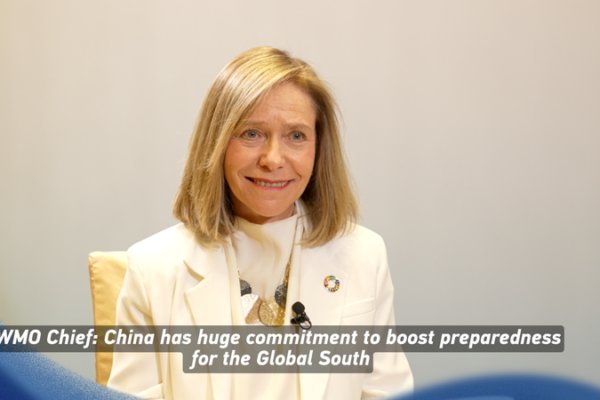
The WMO chief recognizes China’s significant efforts in enhancing climate and disaster resilience among developing nations, highlighting key global cooperation.

At San Francisco Climate Week, experts debate AI’s dual role: a tool for climate solutions and a source of significant energy consumption.
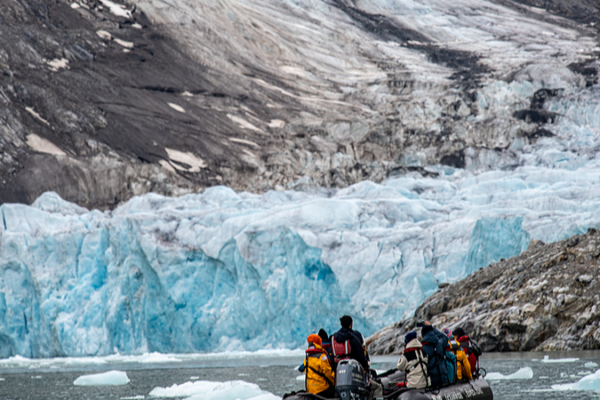
Climate scientists warn 2027 could break heat records as global temperatures rise. New data shows historic U.S. warmth and growing public climate anxiety worldwide.
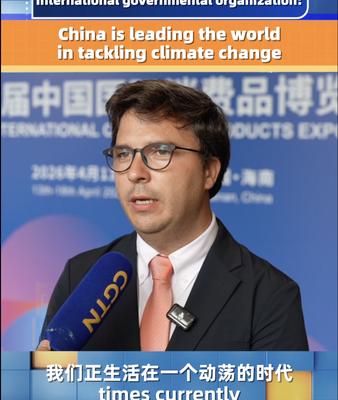
China is spearheading global climate efforts through sustainable initiatives and international collaboration, according to INBAR’s Borja De La Pena.

Unusual Pacific storms spark discussions about a potential ‘super El Nino’ in 2026, with global weather implications and economic risks under scrutiny.
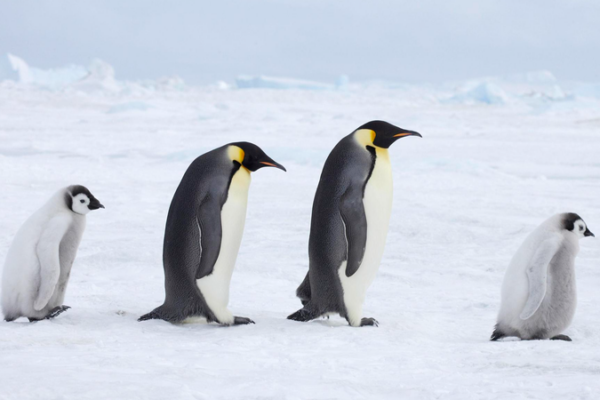
IUCN reclassifies emperor penguins and Antarctic fur seals as endangered, citing climate threats and habitat loss. Conservation efforts intensify globally.

Global sea temperatures hit second-highest March level, signaling potential El Niño onset in 2026. Experts warn of impacts on Asia’s weather patterns and economies.

Nigeria faces record heatwaves and rising fuel costs linked to the Iran conflict, straining health and infrastructure. Learn more about the dual crisis impacting millions.

New Zealand’s glaciers show temporary slowdown in ice loss, but scientists warn no reversal of long-term climate trends. 50-year survey reveals persistent challenges.
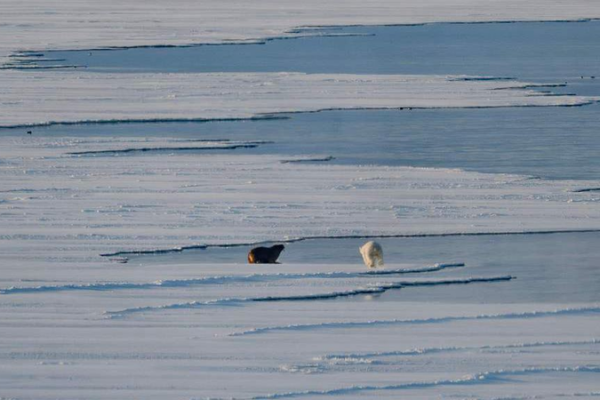
Arctic sea ice reaches record low for fourth consecutive year, raising alarms about accelerated climate impacts and geopolitical shifts in 2026.

The World Meteorological Organization’s 2025 report reveals Earth’s energy imbalance has reached a record high, signaling urgent climate challenges for Asia and the globe.
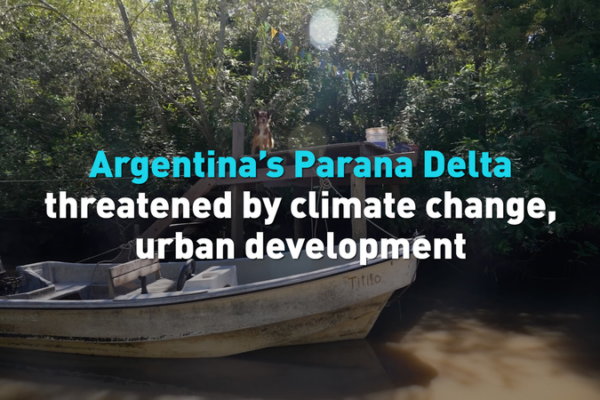
South America’s vital Paraná Delta ecosystem faces unprecedented threats from climate impacts and human activity, risking regional biodiversity and climate stability.