
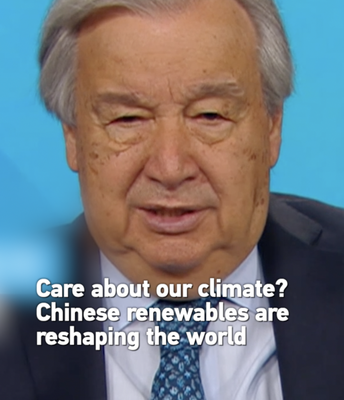
Chinese Renewable Energy: A Global Catalyst in the Fight Against Climate Change
Affordable renewable energy solutions from the Chinese mainland are driving a global transition away from fossil fuels amid intensifying climate concerns.
News & Insights Across Asia
Affordable renewable energy solutions from the Chinese mainland are driving a global transition away from fossil fuels amid intensifying climate concerns.
WMO warns of an 80% chance of El Niño between June and August, urging global preparedness as climate change amplifies the risk of extreme weather.
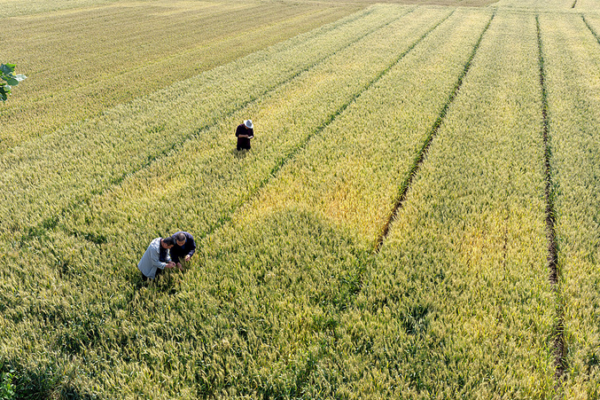
China is ramping up its “Three Summer” campaign to secure grain production as extreme weather and flood risks challenge the summer wheat harvest in 2026.
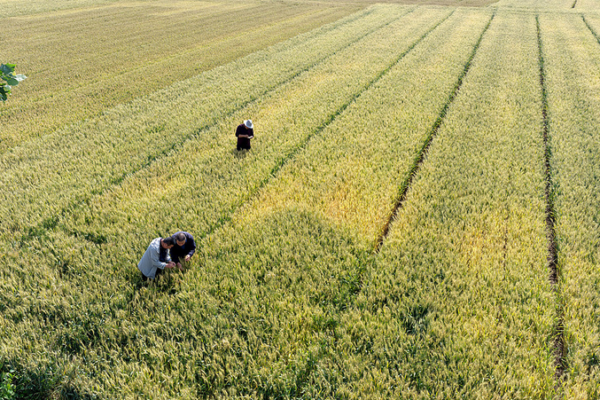
China is speeding up its “Three Summer” agricultural campaign to secure grain production as the main flood season begins and extreme weather threatens harvests.

Peru is preparing for a potent “Super-El Niño” following a WMO warning of an 80% likelihood of severe weather events through late 2026.

France’s 2026 spring was the hottest since 1900, with Meteo-France reporting temperatures significantly above norms and rainfall well below average.

France experienced its hottest spring since records began in 1900, with 2026 seeing extreme temperatures and rainfall well below average, per Meteo-France.
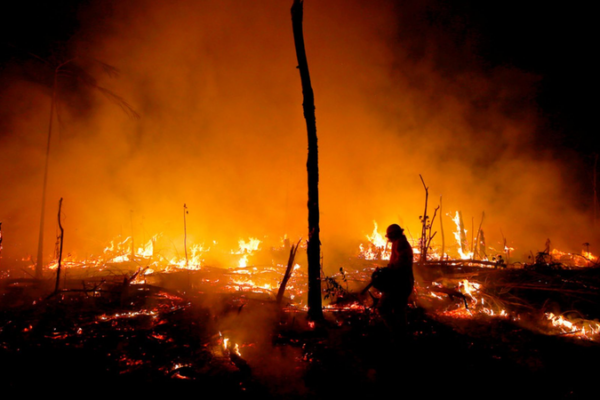
The UN’s weather agency warns of a moderate to strong El Niño event, predicting global temperature spikes and extreme weather risks through November 2026.
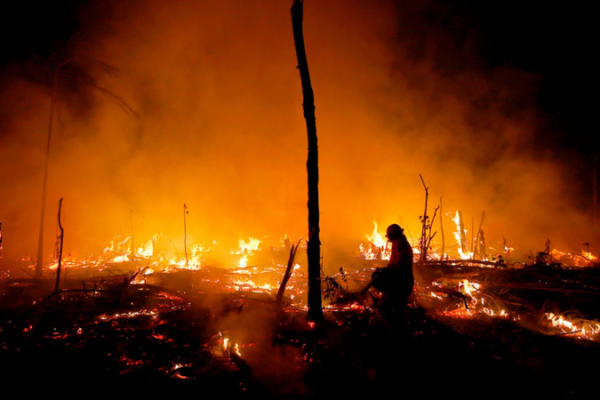
The UN weather agency warns of extreme heat, droughts, and heavy rainfall as a moderate to strong El Niño event impacts global temperatures through November 2026.
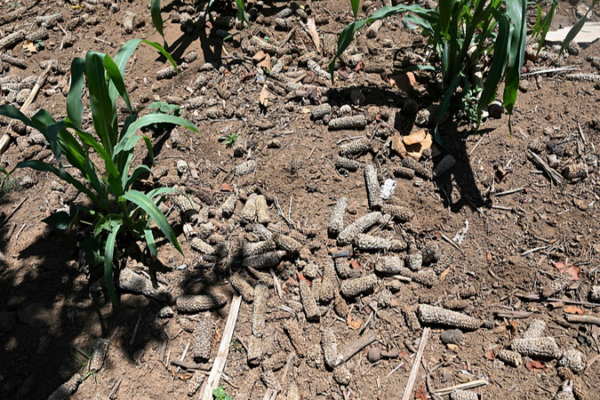
The World Meteorological Organization predicts the current El Niño will reach at least moderate strength, driven by significant subsurface warming in the Pacific.

Severe winds and dust swept through Harbin in the Chinese mainland this past Sunday, turning the sky dark and highlighting the rising risks of extreme weather.

A powerful dust storm recently swept through Harbin, the Chinese mainland, turning day into night and highlighting the rising trend of extreme weather events.

Northern and central India are facing extreme temperatures up to 48.2°C, driven by a combination of El Niño, weakened weather patterns, and long-term global warming.

Intense heatwaves in northern and central India, with temperatures hitting 48.2°C, trigger alarms over the interplay of El Nino and global climate change in June 2026.

China’s 2025 National Ecological Meteorological Bulletin reveals strong gains in vegetation quality, while a new international monsoon program leverages AI for climate resilience.

As China and Pakistan mark 75 years of diplomatic relations, they are forging a new path in climate cooperation to lead the Global South toward sustainability.
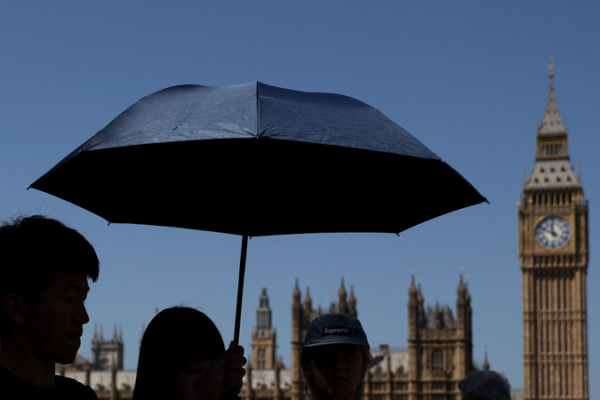
The World Meteorological Organization (WMO) warns that record global temperatures are likely to persist over the next five years, amid severe heatwaves in India and Europe.

An international study reveals how warming on the Qinghai-Xizang Plateau impacts polar sea-ice, enhancing global climate prediction capabilities.

Record-breaking May temperatures hit Europe as a “heat dome” traps warm African air, signaling a potentially extreme summer driven by climate change and El Niño.

A study led by the South China Botanical Garden finds that storms and dry air are accelerating biomass turnover in the Amazon, potentially reducing its long-term carbon storage capacity.