
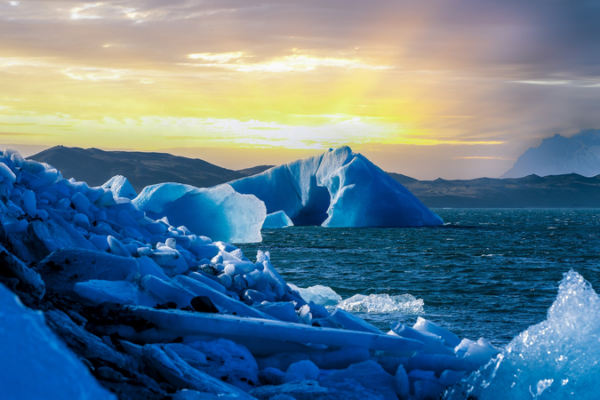
Global Leaders Urge Action on World Day for Glaciers 2026
On World Day for Glaciers 2026, experts highlight urgent need to protect Earth’s vital ice reserves amid accelerating climate impacts.
News & Insights Across Asia
On World Day for Glaciers 2026, experts highlight urgent need to protect Earth’s vital ice reserves amid accelerating climate impacts.

Southern California faces record-breaking March heatwave, with millions under alerts and heightened wildfire concerns in 2026.
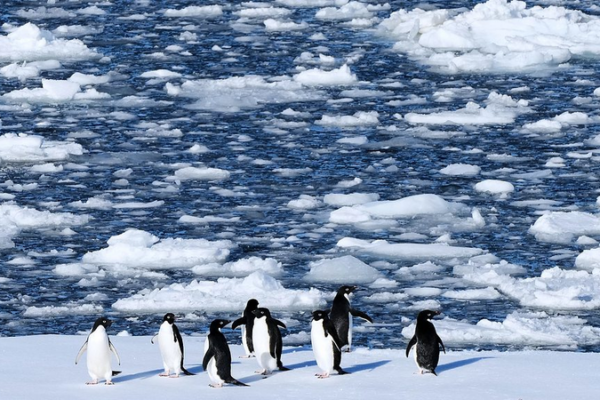
New research explains how storms and ocean warming caused Antarctica’s rapid sea ice loss since 2015, with implications for global climate systems.

Rising tensions between Nigerian farmers and herders, fueled by climate change and land scarcity, threaten food security and regional stability. Explore the roots of the crisis and potential solutions.
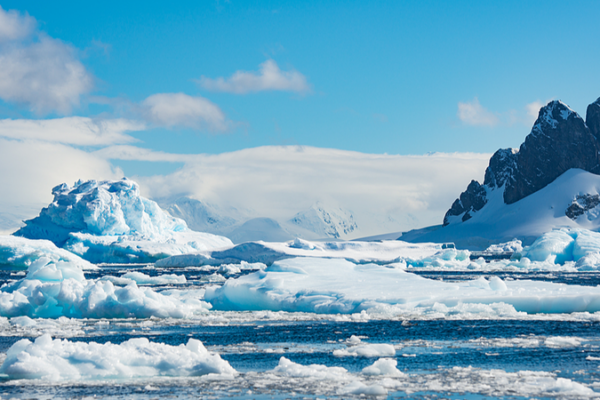
China’s Fengyun-3D satellite documents the rapid disintegration of Antarctica’s A23a iceberg, now 88% smaller than its 1986 size, with complete collapse expected within weeks.
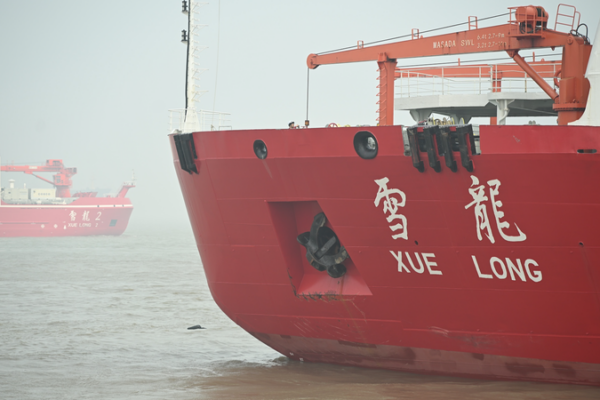
China’s Xuelong icebreaker launches 2026 Antarctic mission, studying climate impacts on marine ecosystems with new observation technologies and international scientific implications.

A new study reveals 2025 saw unprecedented ocean heat storage, driving severe weather events and threatening marine ecosystems globally.
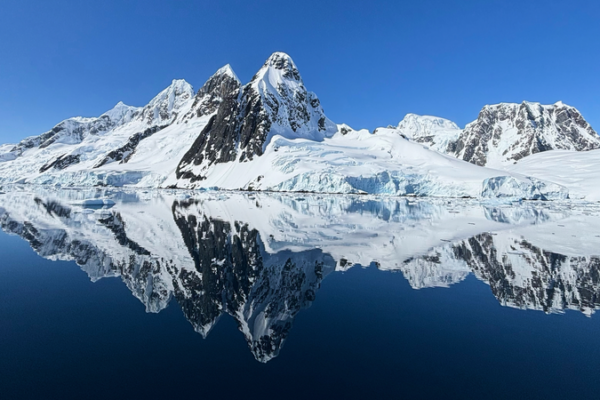
A new Chinese study reveals human-driven climate change will accelerate Antarctic warming faster than previous estimates, with significant global implications.

Dominican President Sylvanie Burton discusses strengthened ties with China through infrastructure development, climate resilience initiatives, and firm support for the one-China principle.

2024 confirmed as hottest year globally, driving extreme weather events across Asia with economic and environmental consequences. Regional responses accelerate ahead of COP30.

Ong Tee Keat highlights China’s tech initiatives as pivotal for addressing ASEAN’s food insecurity and environmental crises in 2025.
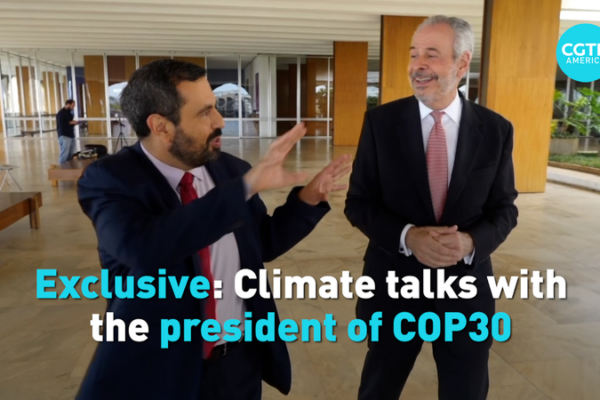
COP30 President André Corrêa do Lago discusses Brazil’s strategy to advance global climate goals after the 2025 conference, emphasizing fossil fuel transition challenges.

The Arctic experienced its warmest year since 1900, with record temperatures, ice loss, and ecological shifts, per NOAA’s 2025 report.
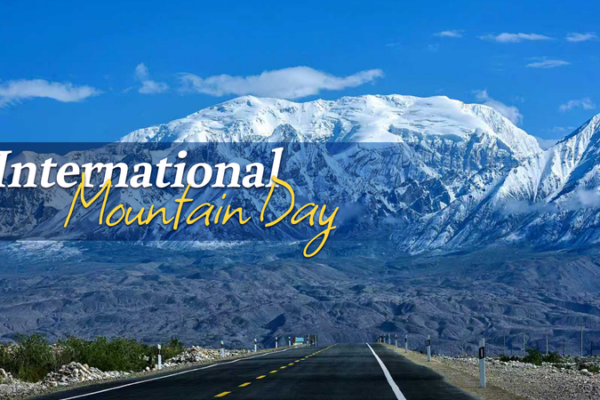
Accelerated glacier melt in Asia threatens water security for millions, with UN data showing record retreats in five of the past six years. Global action urged.
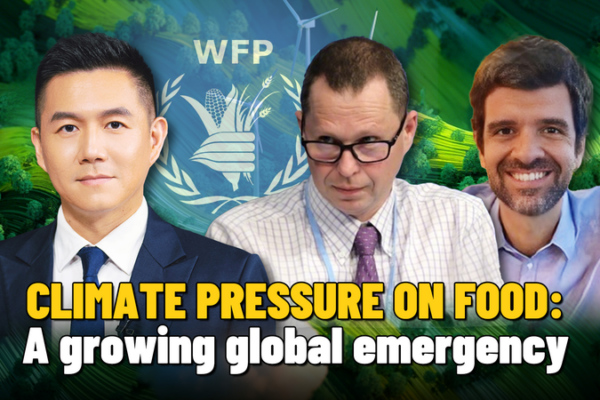
Climate extremes in 2025 threaten global food systems, with WFP experts urging immediate action on agricultural resilience during critical UN environment talks.

New Zealand announced a new climate target under the Paris Agreement, aiming to reduce emissions by 51 to 55 percent by 2035 compared to 2005 levels, reinforcing its commitment to global climate action.

The United Nations has confirmed that the United States has notified its withdrawal from the Paris Agreement, effective January 27, 2026, raising concerns over global climate change efforts.
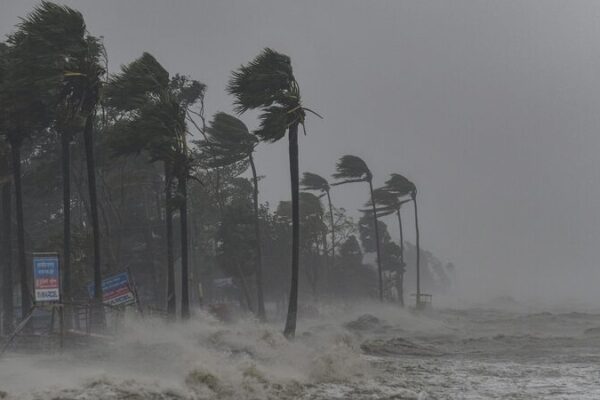
UNICEF’s new report reveals that in 2024, climate crises disrupted schooling for 33 million children in Bangladesh, highlighting the urgent need for climate-adaptive education systems.

A CGTN survey reveals global concerns over the U.S. withdrawal from the WHO and Paris Climate Agreement, with respondents fearing it may deepen the global governance deficit and hinder international cooperation.

At the World Economic Forum’s Annual Meeting 2025, leaders explore ‘Collaboration in the Intelligent Age’, addressing how global cooperation can harness AI to tackle pressing challenges.