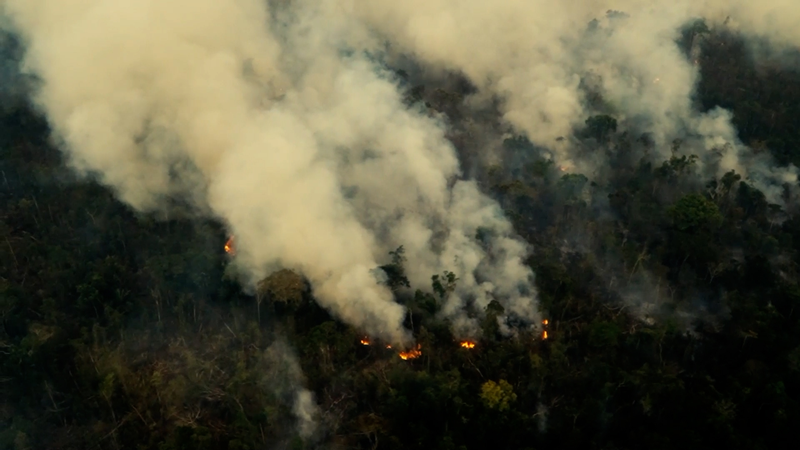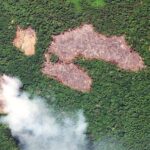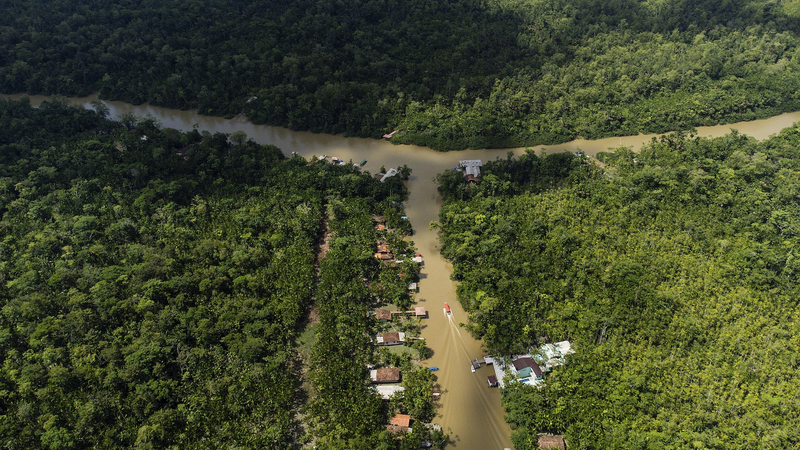
In a positive development for global environmental efforts, deforestation in the Brazilian Amazon fell by 17% in the first quarter of 2026 compared to the same period last year. The data, released by the Amazon Institute of People and the Environment (IMAZON), offers a cautiously optimistic signal for the future of the world's largest rainforest.
The Amazon rainforest, often described as the 'lungs of the planet,' plays a critical role in absorbing carbon dioxide and regulating the global climate. For years, rising rates of deforestation have been a major international concern, threatening biodiversity and contributing significantly to greenhouse gas emissions.
The reported decline in tree loss during the first three months of this year will be closely analyzed by climate scientists, policymakers, and global market observers. A sustained downward trend in deforestation is essential for meeting international climate goals and could have far-reaching implications for commodity markets, agricultural supply chains, and international relations.
For business professionals and investors with interests in South America, the data highlights the evolving landscape of environmental governance and sustainability-linked trade. Companies operating in or sourcing from the region are increasingly scrutinized for their environmental, social, and governance (ESG) performance, making deforestation metrics a key factor in investment decisions.
While the first-quarter figures are encouraging, experts urge caution. Deforestation rates can fluctuate seasonally, and long-term trends require sustained monitoring and enforcement of conservation policies. The progress reflects ongoing efforts within Brazil and underscores the importance of international cooperation in supporting sustainable development in the Amazon basin.
For the global community, from academics studying climate models to travelers drawn to the region's natural wonders, protecting the Amazon remains a shared priority. The latest data provides a tangible measure of progress in 2026, reminding the world that balancing economic development with environmental stewardship is both a challenge and an imperative.
Reference(s):
cgtn.com