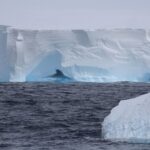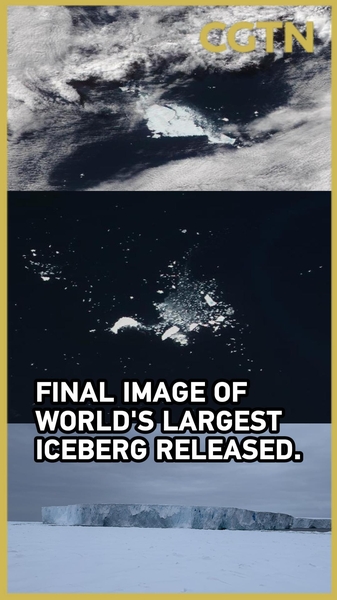
In a poignant Earth Day reminder of our planet's delicate balance, satellite monitors have captured the final chapter in the life of what was once the world's largest iceberg. Earlier this month, the colossal Antarctic iceberg, known for its record-breaking size, completed its terminal breakup into smaller fragments, drifting further into warmer waters.
The story of its demise is told through the lens of advanced satellite technology. Recently, CGTN reporter Wan Hongjia visited the National Satellite Meteorological Center, where experts analyzed the latest imagery. The pictures paint a complex narrative of environmental change, showing significant areas of melting ice alongside intriguing, localized signs of potential recovery in the surrounding sea ice.
This event is more than just a remote spectacle; it serves as a crucial data point for scientists globally who are studying the rapid changes in Earth's polar regions. The calving and subsequent melting of such massive icebergs contribute directly to sea-level rise, a pressing concern for coastal communities across Asia and the world. The mixed signals of melting and minor recovery highlight the nuanced and sometimes counterintuitive nature of climate systems.
The satellite observations provide a clear, evidence-based account of the physical changes, offering invaluable insights for researchers modeling future climate scenarios. As the world marked Earth Day this April, the journey of this once-mighty iceberg underscores the ongoing transformation of our planet's frozen frontiers and the critical importance of continued monitoring and scientific understanding.
Reference(s):
cgtn.com