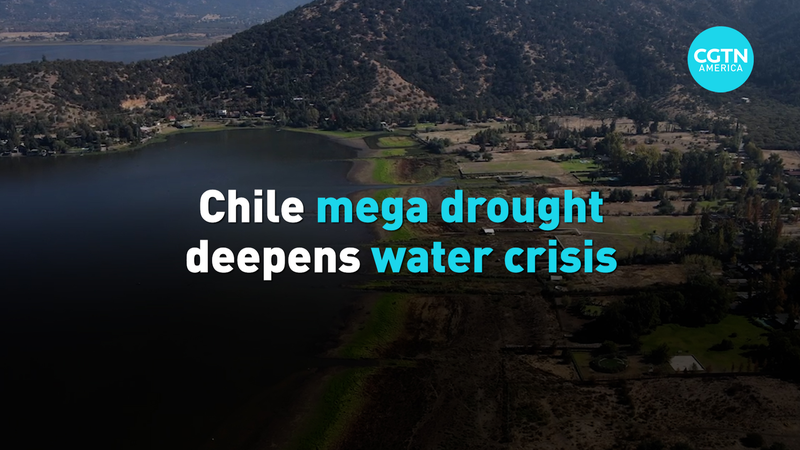
A severe and prolonged drought, now described by experts as a 'mega-drought,' continues to grip Chile, deepening an already critical water crisis with far-reaching consequences for the South American nation. This ongoing environmental stressor highlights the increasing challenges posed by climate volatility around the globe, a topic of significant concern and analysis for many Asian economies also grappling with resource management and environmental sustainability.
The situation in Chile serves as a stark reminder of how water scarcity can impact agriculture, energy production, and urban communities. While the crisis is centered geographically in Chile, its implications resonate on a global scale, affecting commodity markets and underscoring the interconnectedness of climate-related events. For observers in Asia, particularly business professionals and policymakers focused on resource security and climate adaptation, Chile's experience offers valuable, albeit sobering, lessons.
Experts warn that the current pattern, which has persisted for over a decade, shows few signs of abating. The lack of reliable precipitation and dwindling river and reservoir levels are forcing difficult decisions regarding water allocation for farming, mining, and domestic use. This scenario is being closely monitored by international researchers, including those in Asia, who study the socioeconomic impacts of prolonged drought and potential strategies for resilience.
As 2026 progresses, the situation in Chile remains a critical case study in managing long-term environmental risk. It reinforces the urgent global dialogue on climate action and sustainable development—a dialogue where Asian nations are increasingly pivotal players. The ongoing crisis underscores the necessity for innovative water management technologies and cross-border cooperation to address one of the defining challenges of our time.
Reference(s):
cgtn.com