The immense, silent expanse of the Greater Hinggan Mountains is stirring from its long winter slumber. As temperatures climb this spring, a vivid transformation unfolds across the landscape, a seasonal drama of "ice and fire" playing out across one of Asia's most significant forest ecosystems.
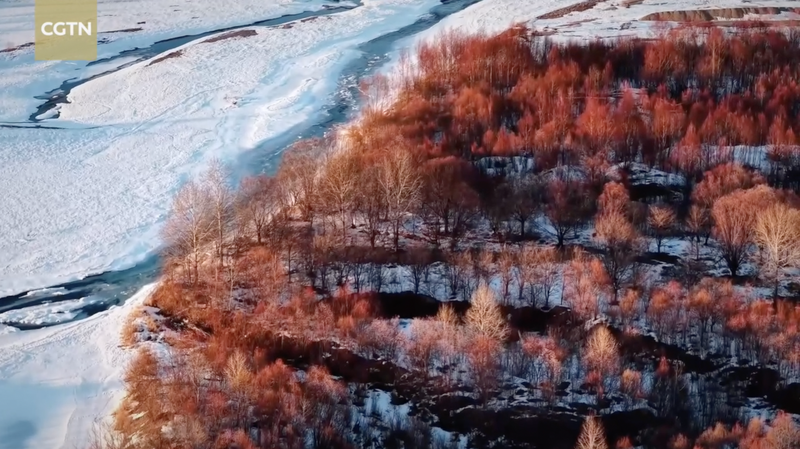
The stark, white silence of winter is slowly giving way. Across the thawing valleys and slopes, the distinctive red willow (Salix schwerinii) emerges as a symbol of this renewal. Against the retreating snow, its vibrant, crimson branches appear to burn with life, creating a breathtaking contrast that signals the region's annual rebirth.
For ecologists and climate observers, this annual thaw in the Greater Hinggan Mountains is more than just a scenic change. It is a critical ecological event that influences water cycles, forest health, and biodiversity across Northeast Asia. The timing and pace of the spring melt are closely monitored as indicators of broader climatic patterns affecting the region.
The mountains, spanning parts of the Chinese mainland's Inner Mongolia and Heilongjiang, are a vital carbon sink and a source for major river systems. The awakening of this frozen world directly impacts local communities, forestry, and wildlife habitats. Residents and officials alike observe the changes, preparing for the forestry and agricultural seasons that follow the retreat of the snow.
This natural spectacle also draws cultural and tourist interest. The striking visual of "red willow burning through the white silence" has become a celebrated hallmark of the region's spring, attracting photographers and nature enthusiasts keen to witness this powerful display of natural resilience and beauty.
As the Greater Hinggan Mountains continue their seasonal transition, the cycle of ice and fire serves as a potent reminder of nature's enduring rhythms and the dynamic environmental forces shaping Asia's northern frontiers.
Reference(s):
cgtn.com