Last year, Europe endured a climate crisis of unprecedented scale, with record-breaking wildfires and soaring emissions painting a stark picture of a continent warming at an alarming rate. According to the latest European State of the Climate (ESOTC) report, published in April 2026, the continent's vulnerability to extreme weather is escalating rapidly.
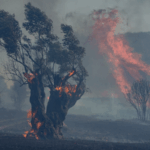
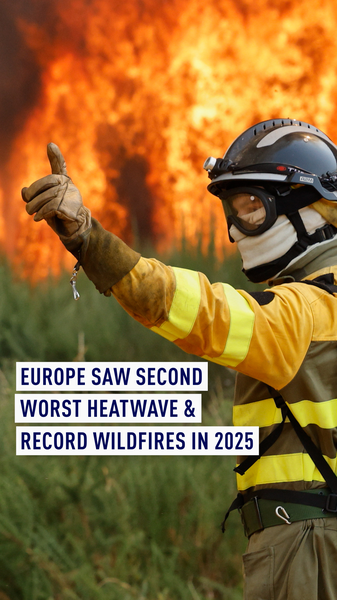
The report, a collaborative effort by the Copernicus Climate Change Service (C3S) and the World Meteorological Organization (WMO), details how the 2025 wildfire season was the most destructive on record, consuming vast swathes of forest and releasing the highest levels of carbon emissions ever measured from such blazes in Europe. This catastrophe unfolded against the backdrop of the continent's second most severe recorded heatwave.
Scientists warn that Europe is warming twice as fast as the global average. This accelerated heating is directly fueling more frequent and intense extreme weather events, from blistering heatwaves to devastating fires and floods. The ecological toll is severe, with significant damage reported to Europe's biodiversity and natural ecosystems.
The findings come as global climate experts express deep concern that the long-term warming limit of 1.5°C set by the Paris Agreement could be breached by the end of this decade. The European Commission, which commissioned the report, views the data as a critical tool for future planning. Andrius Kubilius, EU Commissioner for Defense and Space, affirmed that the report will "guide the decisions that will shape a more resilient, more sustainable and stronger future for Europe."
For Asia's business community, researchers, and policy observers, Europe's current climate trajectory offers a crucial case study. It highlights the tangible economic costs of environmental degradation, the strain on infrastructure, and the urgent need for robust adaptation and mitigation strategies that other regions, including Asia, can learn from as they confront their own climate challenges.
Reference(s):
More bad climate news for Europe as heatwaves drive record emissions
cgtn.com