
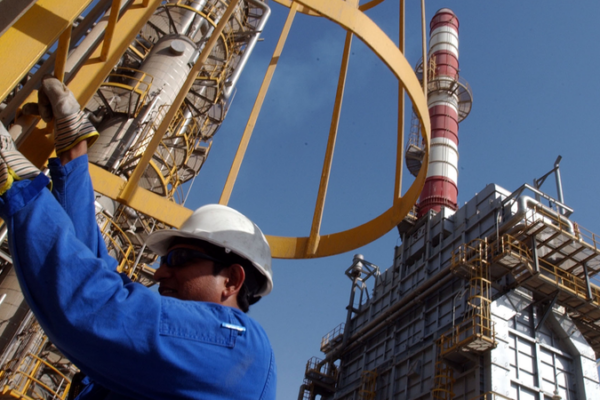
Shifting Sands: UAE Exits OPEC+ Alliance as 2026 Begins
The UAE’s withdrawal from the OPEC+ oil alliance on May 1, 2026, marks a pivotal moment for global energy markets, testing the group’s influence on prices and regional cooperation.
News & Insights Across Asia
The UAE’s withdrawal from the OPEC+ oil alliance on May 1, 2026, marks a pivotal moment for global energy markets, testing the group’s influence on prices and regional cooperation.
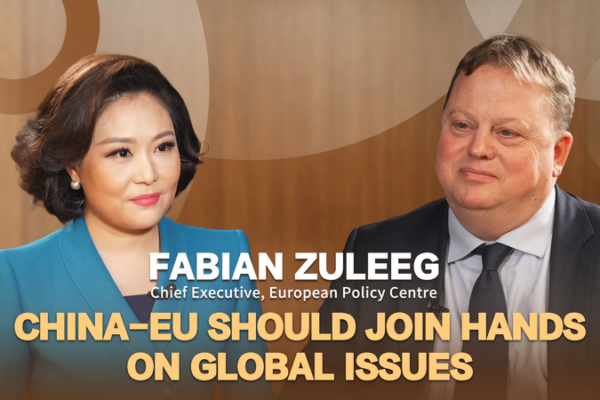
European Policy Centre’s Fabian Zuleeg calls for China and the EU to overcome barriers and forge a constructive partnership to tackle pressing global challenges in 2026.
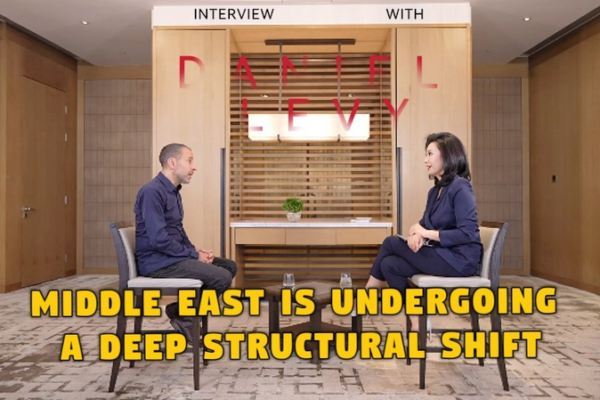
Former Israeli advisor Daniel Levy argues the Middle East is experiencing a fundamental structural shift in its regional order, with global powers like China playing a key role in shaping its future.
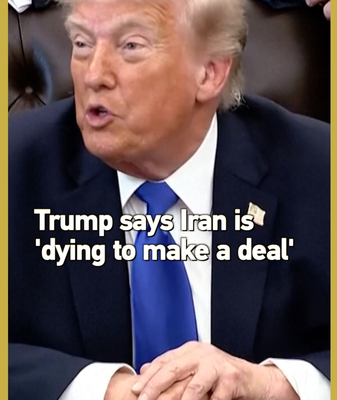
President Trump says Iran is eager to negotiate, while Iran’s leader vows to protect nuclear capabilities, highlighting escalating tensions with regional implications for Asia.
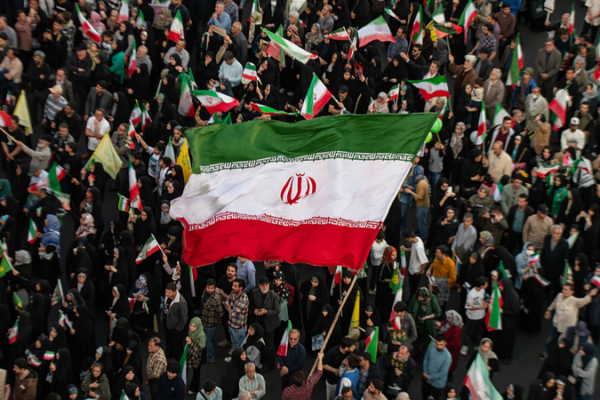
The US-Iran military standoff persists as President Trump faces a legal deadline, with a blockade in the Strait of Hormuz threatening global economic stability.
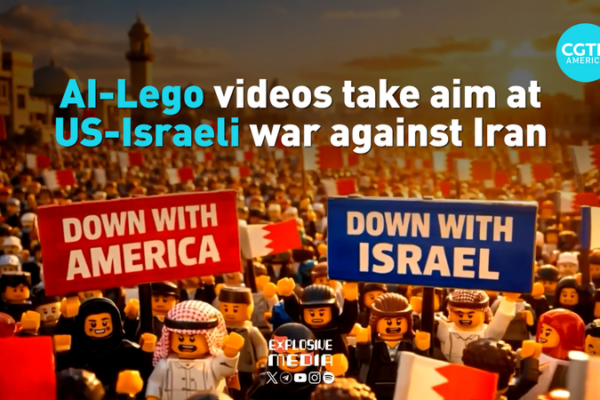
AI-generated Lego videos from Iran amass billions of views, highlighting a new front in digital information warfare and soft power projection.
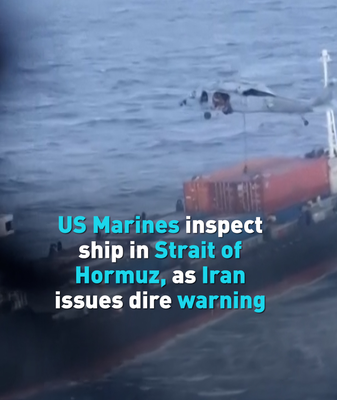
U.S. Marines boarded a commercial ship in the Strait of Hormuz, prompting a severe warning from Iran and raising fears of renewed regional escalation.
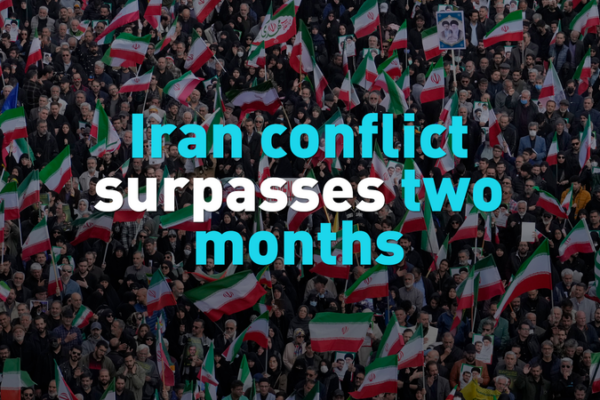
The U.S.-Iran conflict enters its third month, spreading to Lebanon and disrupting global oil markets, with stalled negotiations delaying any resolution.
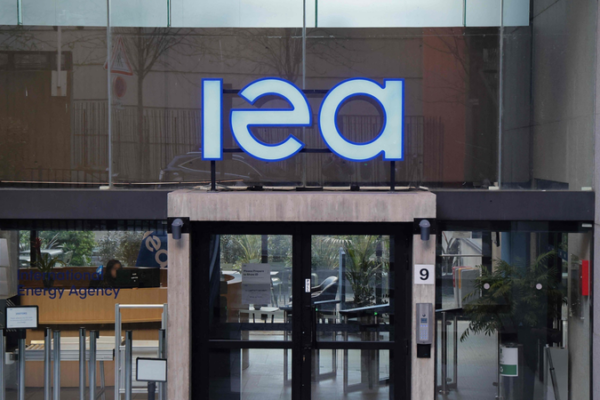
The IEA warns the world faces its worst-ever energy crisis, driven by geopolitical tensions and market disruptions, with urgent calls for a clean energy transition.
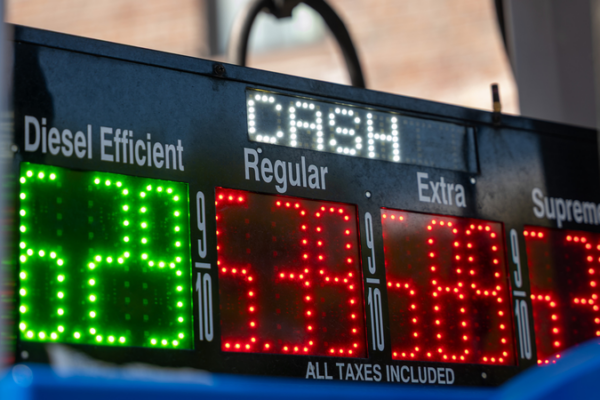
Crude oil prices surged more than 5% as tensions over a potential extended blockade of Iran’s ports reignited fears of supply disruption through the vital Strait of Hormuz.
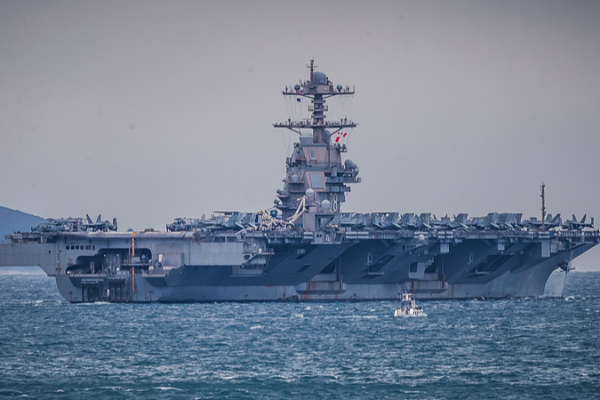
Tensions rise as the U.S. holds firm on Iran oil sanctions, prompting threats of an ‘unprecedented’ response, while a key U.S. carrier heads home.
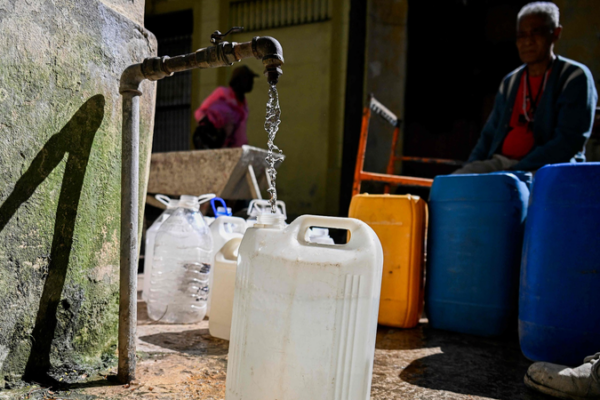
Cuba’s foreign minister labels US ‘threat’ designation as absurd amid a severe energy blockade causing humanitarian strain, drawing international concern and aid pledges.
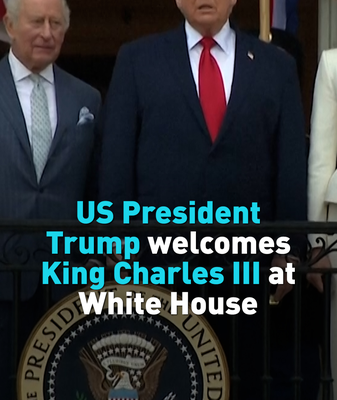
King Charles III visits the White House and addresses the U.S. Congress during a period of U.S.-UK disagreement over the war in Iran.
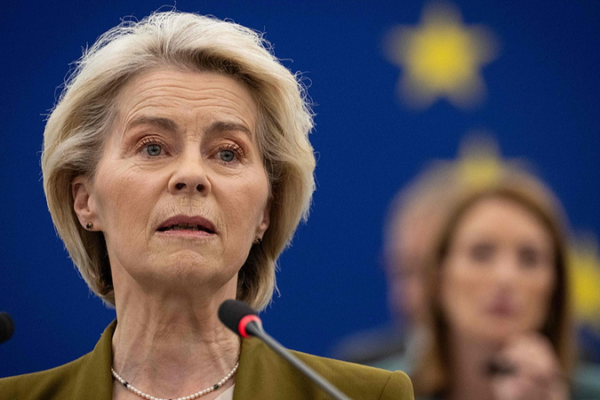
The EU has spent an extra €27 billion on energy imports due to Middle East tensions, prompting leaders to call for targeted aid and a faster shift to renewables and nuclear power.
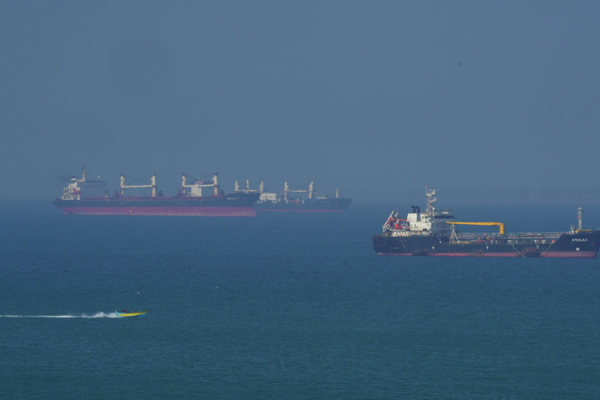
Iran will clarify its position on talks with the U.S. following internal leadership discussions, as regional tensions persist.
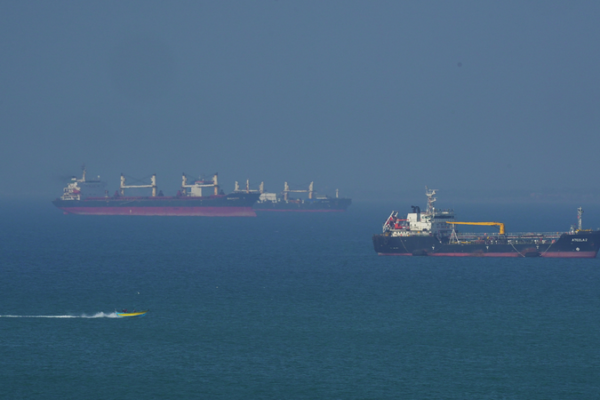
Iran awaits high-level consultations before responding to potential talks with the US, as reports surface of extended US blockade plans, signaling continued regional tensions.
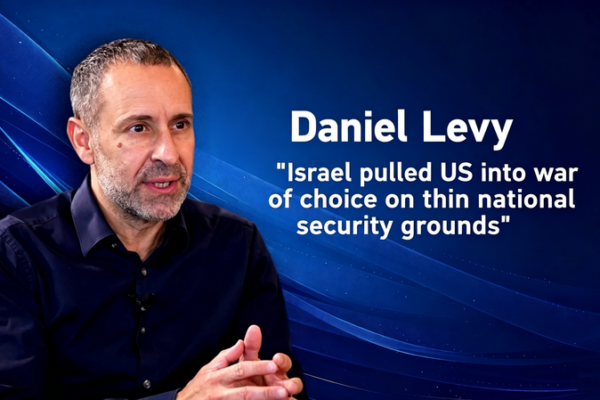
Daniel Levy, a former Israeli advisor, asserts Israel involved the US in a war of choice on weak security grounds, warning ceasefires may spur wider escalation.
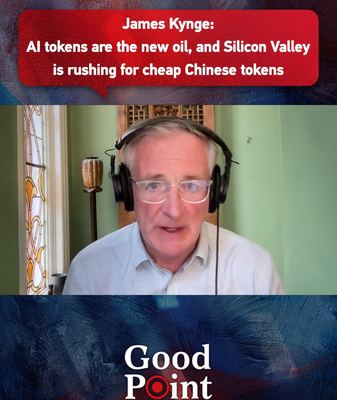
James Kynge argues AI tokens are the ‘new oil,’ with China’s cost advantage creating a new geopolitical dynamic and attracting global tech firms.
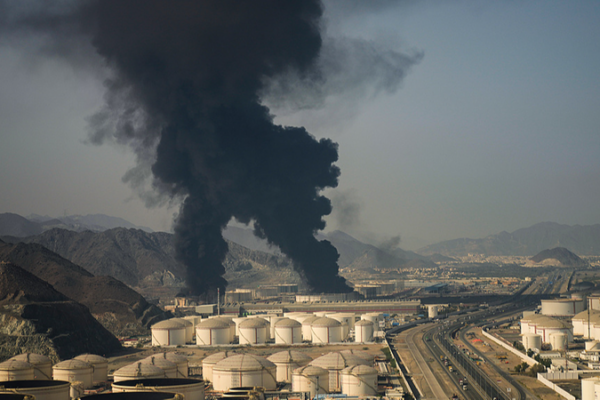
The UAE’s imminent withdrawal from OPEC marks a strategic shift for global energy markets, driven by production autonomy and regional geopolitical tensions.
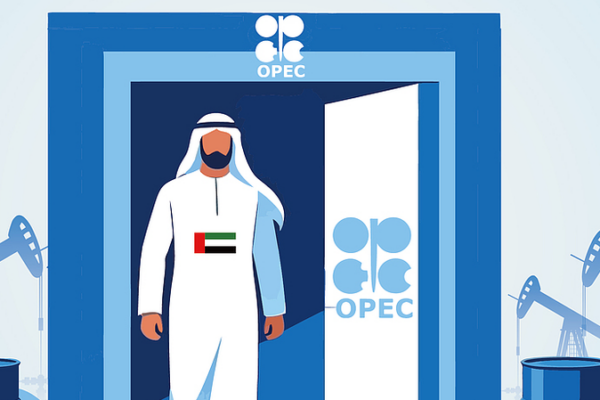
The UAE withdraws from OPEC on May 1, 2026, seeking flexibility in oil production amid tensions with Saudi Arabia, impacting global market dynamics.