Cuba's foreign minister has dismissed a recent US characterization of his country as a national security threat, calling the accusation "absurd" as international concern grows over a tightening energy blockade and its severe humanitarian impact.
Speaking out this week, Bruno Rodriguez Parrilla argued it was illogical to portray Cuba, a small developing nation under a "brutal" economic embargo, as a menace to the world's foremost military and economic power. His remarks on social media come amid escalating tensions and concrete US actions affecting the island's energy supply.
The diplomatic friction follows a recent move in the US Senate. On Tuesday, a Republican-led bloc successfully blocked a Democratic-backed resolution. That measure would have required the Trump administration to seek congressional approval before initiating any military action against Cuba, highlighting ongoing legislative debates over US policy towards the island.
The core of the current crisis, however, is economic. Over the past three months, the United States has intensified efforts to sever Cuba's oil imports. This has involved halting shipments from traditional suppliers like Venezuela and applying pressure—including tariff threats—on other nations, such as Mexico, that might provide fuel. The strategy stems from a warning issued by President Donald Trump in late January, announcing new measures against countries aiding Cuba's energy sector.
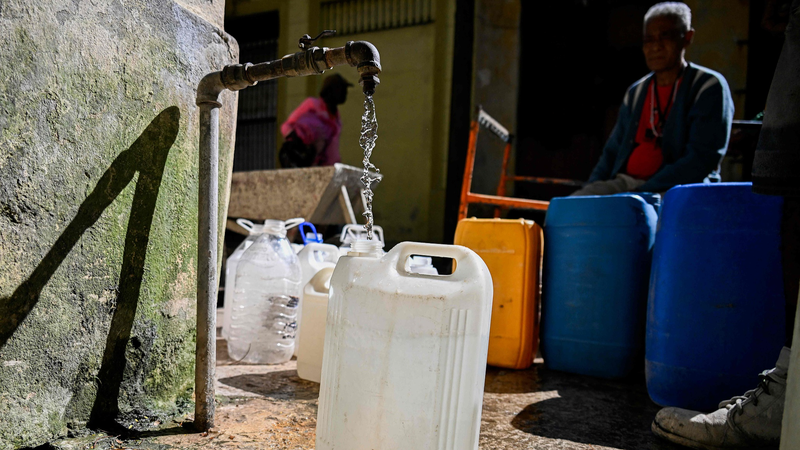
The consequences on the ground have been dire. The energy blockade has precipitated acute shortages, crippling essential public services. Power generation, agriculture, and water supply networks are all under severe strain. The national healthcare system is facing mounting pressure, with frequent blackouts disrupting critical services including ambulance operations and hospital operating rooms.
As the situation deteriorates, the international community is increasingly voicing concern and taking action. In a notable statement on April 20, German Chancellor Friedrich Merz publicly cautioned against potential US intervention in Cuba. Meanwhile, countries including Brazil, Spain, and Mexico have pledged additional aid to help alleviate what they describe as a deepening humanitarian crisis on the island, signaling a growing diplomatic divide over how to address Cuba's challenges.
Reference(s):
cgtn.com