Diplomatic efforts remain at an impasse as tensions between the United States and Iran continue to escalate over longstanding nuclear and security disputes. The core of the current standoff centers on Washington's firm stance regarding Iran's oil exports.
The U.S. administration, under President Donald Trump, has reiterated that stringent restrictions on Iranian oil shipments and maritime activity will remain in place. A senior U.S. official stated the blockade is a non-negotiable pressure tool, to be lifted only upon reaching a comprehensive new nuclear agreement.
In response, Iranian officials have issued stark warnings. A senior Iranian security source, speaking on condition of anonymity, told media that Tehran is prepared to take "practical and unprecedented" measures if the economic pressure continues. The vague terminology has sparked concern among regional analysts, who speculate it could refer to increased military posturing or actions targeting maritime security in the vital Strait of Hormuz.
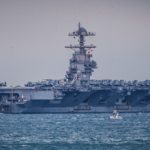
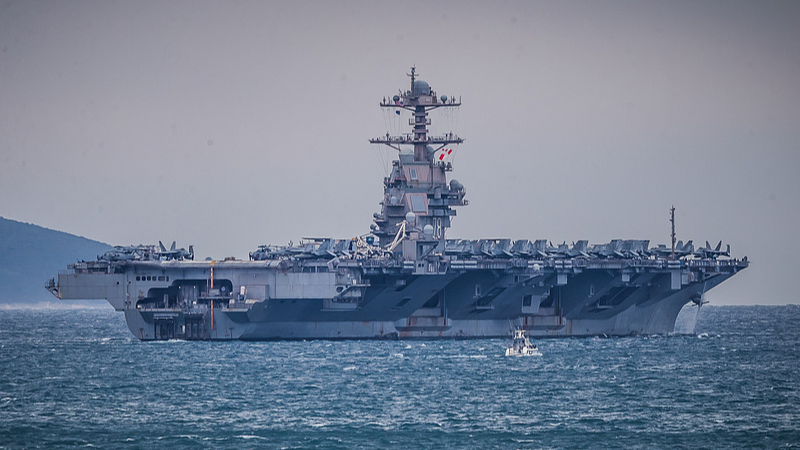
Amid this tense backdrop, a significant shift in U.S. naval presence is underway. The USS Gerald R. Ford, the U.S. Navy's newest and most advanced aircraft carrier, is preparing to conclude a record-breaking deployment and return to its home port. The Ford's departure will mark a reduction of high-end U.S. naval power in the region, even as the strategic chokepoint of the Strait of Hormuz remains a potential flashpoint.
This development presents a complex picture: while one arm of U.S. policy maintains maximum economic pressure, another is adjusting its immediate military footprint. The situation leaves diplomats and security observers worldwide watching closely, as the path to de-escalation appears narrow with both sides entrenched in their positions.
Reference(s):
Live: US weighs strikes as Iran warns of response to ongoing blockade
cgtn.com