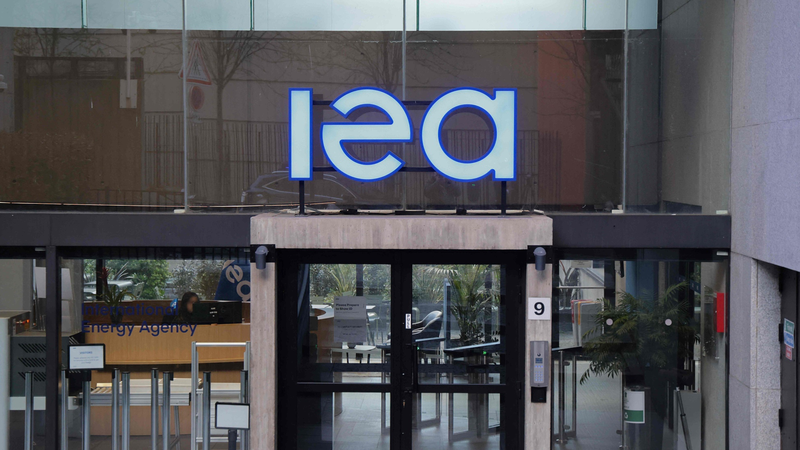
The head of the International Energy Agency (IEA) has issued a stark warning that the world is grappling with the most severe energy crisis in history, presenting a monumental challenge to both global energy security and economic stability.
Speaking at a high-level dialogue in Paris this week, IEA Executive Director Fatih Birol stated that oil and gas markets face serious disruptions. His comments came at an event co-hosted by the IEA and the presidency of the upcoming COP31 UN climate conference.
"The world is confronting with the most severe energy crisis in history," Birol said, highlighting the precarious state of global energy supplies.
The crisis has been significantly exacerbated by recent geopolitical events. The IEA's latest quarterly gas market report points to a major supply shock stemming from the Middle East conflict, following military actions by the United States and Israel against Iran. This has fundamentally altered the global natural gas outlook.
Financial markets have reacted swiftly. Crude oil futures surged as reports emerged that former US President Donald Trump had instructed aides and energy companies to prepare for a potential prolonged blockade of Iran's ports. Brent crude oil futures for June delivery reached a high of $117.15 per barrel during Wednesday's trading session.
Amid the turmoil, there were urgent calls for a strategic pivot. COP31 President-designate Murat Kurum, who is also Türkiye's environment minister, emphasized the critical need to accelerate the shift toward clean energy. "The global economy must change its energy model," he stressed, noting that speeding up this transition is the most crucial step forward.
UN Climate Change Executive Secretary Simon Stiell added a pointed observation, suggesting that those attempting to maintain reliance on fossil fuels are inadvertently accelerating the global expansion of renewable energy—an outcome he termed an "immense irony."
For Asia, a region deeply integrated into global energy and trade flows, the implications are profound. The intersecting pressures of energy security, economic stability, and climate imperatives create a complex landscape for policymakers, businesses, and investors across the continent in 2026.
Reference(s):
cgtn.com