
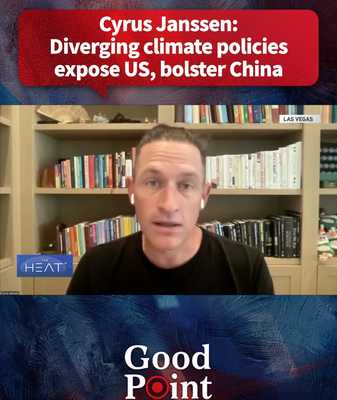
Analyst: Diverging Climate Policies Reshape US-China Energy Dynamics
Geopolitical analyst Cyrus Janssen compares the diverging climate and energy policies of the US and China, highlighting how China’s renewable focus bolsters its resilience.
News & Insights Across Asia
Geopolitical analyst Cyrus Janssen compares the diverging climate and energy policies of the US and China, highlighting how China’s renewable focus bolsters its resilience.
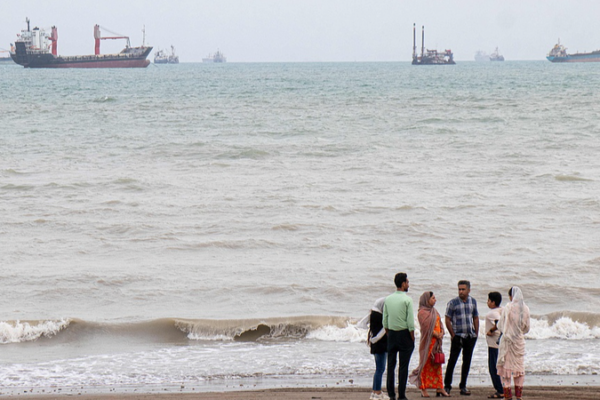
Iran’s military says conflict with the U.S. is not over, as Washington prepares for an extended blockade and imposes new sanctions, deepening tensions in April 2026.
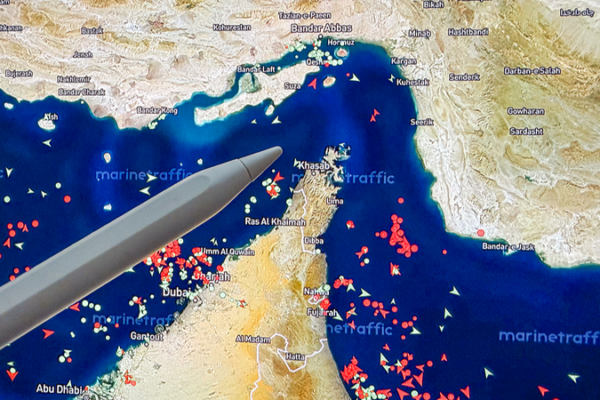
The Iran conflict threatens to drive energy prices up 24% in 2026, creating the largest oil supply shock on record and endangering global economic stability.
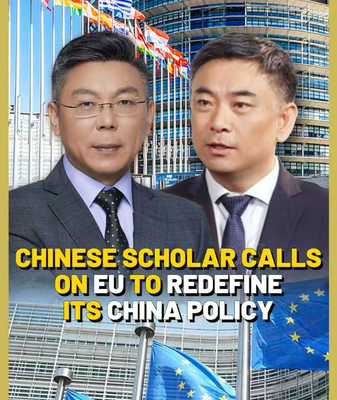
A leading Chinese scholar calls on the EU to address internal contradictions and rethink its strategic approach toward China, highlighting a gap between member state interests and bloc-wide policy.
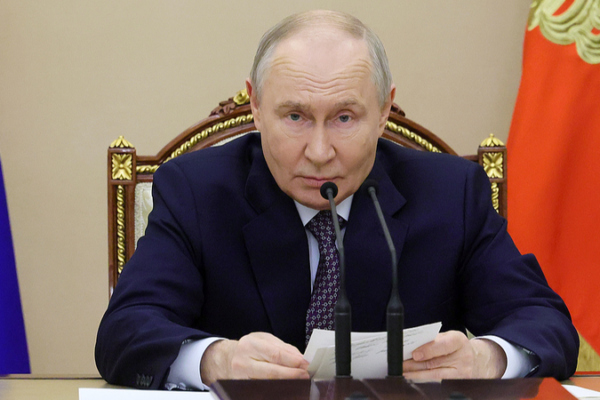
Russian President Vladimir Putin asserts a shift in global power from the West to the rising nations of the Global South, highlighting a new multipolar world order.
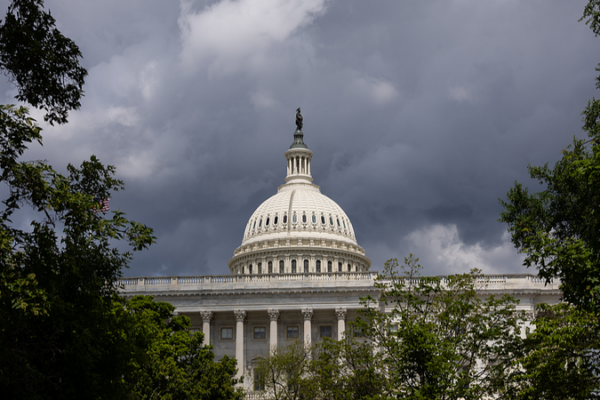
The US Senate has rejected a measure to restrict presidential war powers regarding Cuba, a decision with potential implications for global stability and Asian markets.

The PLA Navy conducted a routine patrol in the South China Sea on April 28, 2026, with a spokesperson citing Philippine actions as disruptive to regional stability.
The UAE will leave OPEC and OPEC+ on May 1, 2026, seeking flexibility to meet growing global energy demand amid regional export risks.
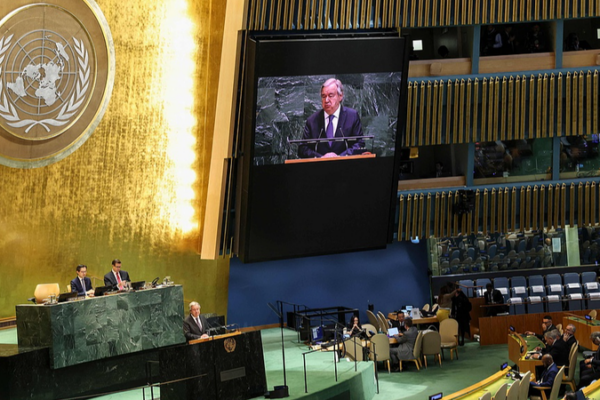
The U.S. and Iran clashed at the UN this week over Tehran’s nuclear program, highlighting rising global tensions as the NPT review conference continues.

Passenger flights between Tehran and Beijing have resumed after a nearly two-month suspension due to regional tensions, marking a cautious step towards normalized connectivity.
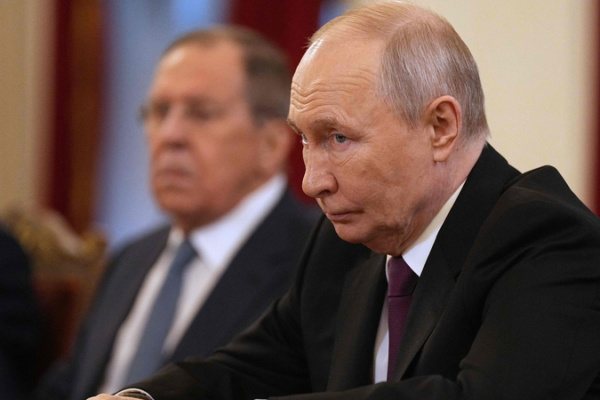
President Putin praised Iran’s people for resisting US pressure, while a Chinese analyst suggested Russia could help mediate future US-Iran negotiations.
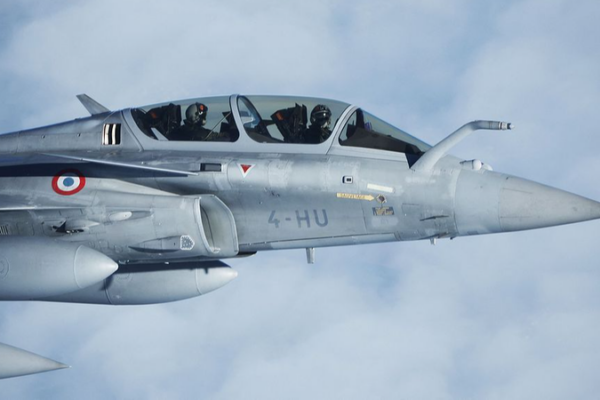
A new SIPRI report reveals global military spending hit a new high in 2025, with European expenditure jumping 14% as the US plans a major increase for 2026 and beyond.
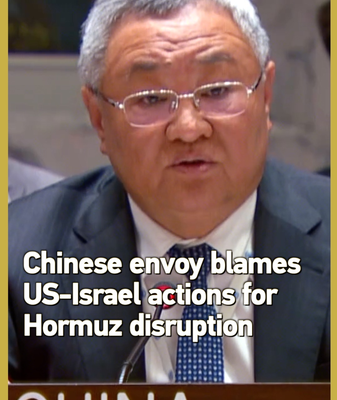
Chinese UN envoy Fu Cong cites US-Israel military actions against Iran as the primary cause of maritime instability in the vital Strait of Hormuz.
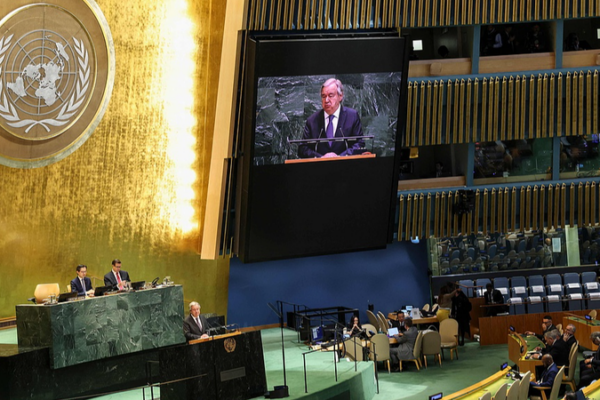
The US and Iran traded sharp accusations at a major UN nuclear conference, casting a shadow over global disarmament talks as the UN chief warned of rising risks.
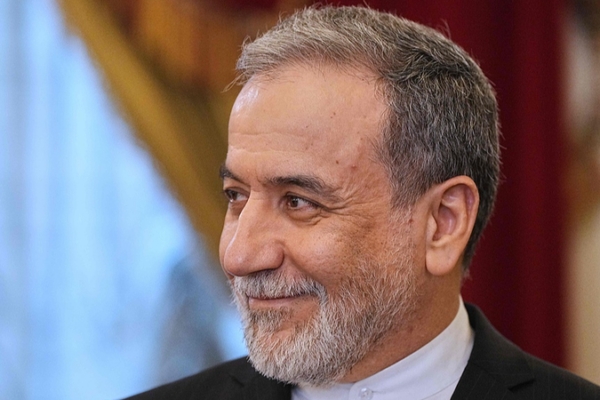
Iran signals openness to US talks as Washington reviews a new proposal focusing on reopening the Strait of Hormuz and regional de-escalation.
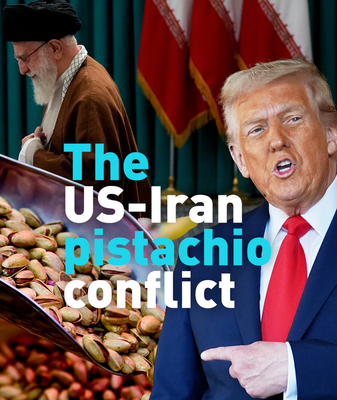
The economic conflict between the US and Iran has expanded into an unexpected arena: the billion-dollar pistachio market, with recent actions escalating the rivalry.
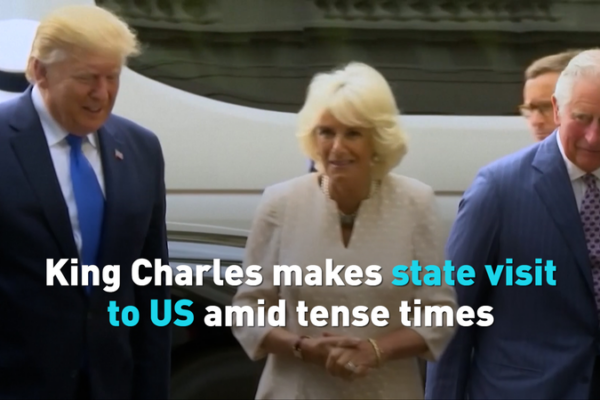
King Charles begins a state visit to the U.S. amid geopolitical tensions, a moment watched closely by Asian observers for its impact on global alliances and economic stability.
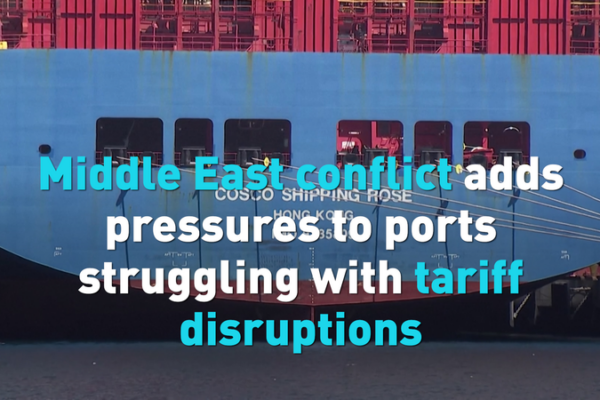
Conflict in the Middle East and ongoing tariff pressures are creating significant challenges at major US ports, threatening broader supply chain disruptions and economic impacts.
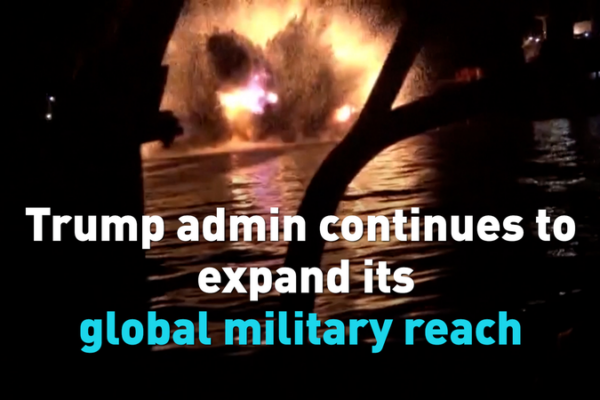
The Trump administration’s 15-month military expansion is reshaping global geopolitics, raising debates on international law and impacting stability in the Asia-Pacific region.
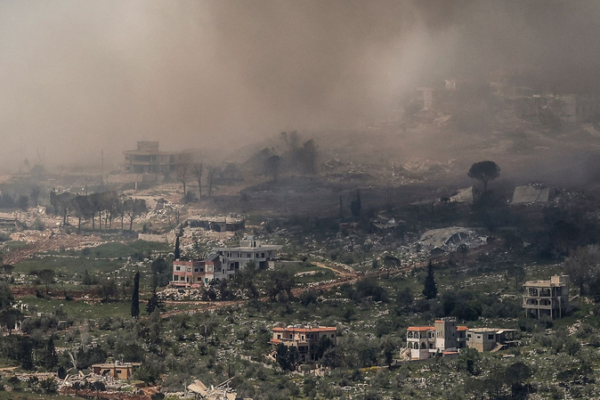
Hezbollah rejects direct Lebanon-Israel talks, outlining five conditions including a ceasefire, Israeli withdrawal, and prisoner release as the only path to end the ongoing conflict.