In a significant development regarding the tense diplomatic landscape of West Asia, Iran's official stance on potential talks with the United States is pending high-level internal discussions. The update comes following a statement from Pakistani Prime Minister Shehbaz Sharif, who indicated that Iranian Foreign Minister Seyed Abbas Araghchi had conveyed Tehran's position would be clarified after leadership consultations.
This cautious approach highlights the complex internal and external pressures facing Iranian policymakers in 2026. The region has been navigating a fragile ceasefire and stalled diplomatic channels, making any decision on re-engagement with Washington a matter of intense strategic calculation.
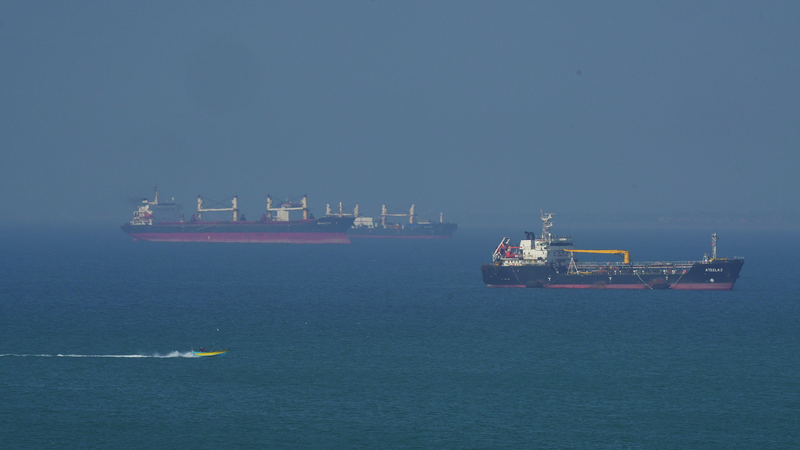
Amidst this, reports suggest the United States, under President Donald Trump, is planning to extend its blockade on Iran. This move signals a continuation of maximum pressure tactics, further complicating the already delicate geopolitical equation. Analysts observe that this creates a paradoxical scenario where dialogue is being considered against a backdrop of escalating economic and strategic containment.
The outcome of Iran's internal deliberations is being closely watched by global markets, regional powers, and international bodies. The decision will have immediate repercussions for regional security, global energy markets, and the broader framework of non-proliferation efforts.
For the international community, including business professionals with interests in the region's vast energy resources and academics studying conflict resolution, the coming days represent a critical juncture. The path Iran chooses—whether toward a negotiated table or a deeper confrontation—will shape West Asian dynamics for the foreseeable future.
Reference(s):
Live: Iran to respond on US talks after leadership consultations
cgtn.com