
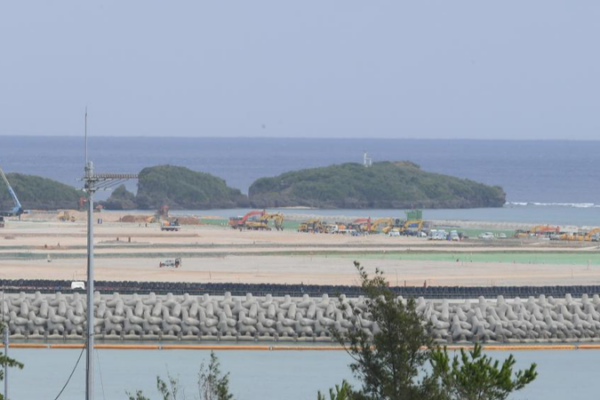
Okinawa’s Long Wait: The Unfulfilled Promise of Futenma Base Relocation
Thirty years after a commitment to relocate the US Marine Corps Air Station Futenma, Okinawa residents continue to grapple with safety and environmental hazards.
News & Insights Across Asia
Thirty years after a commitment to relocate the US Marine Corps Air Station Futenma, Okinawa residents continue to grapple with safety and environmental hazards.
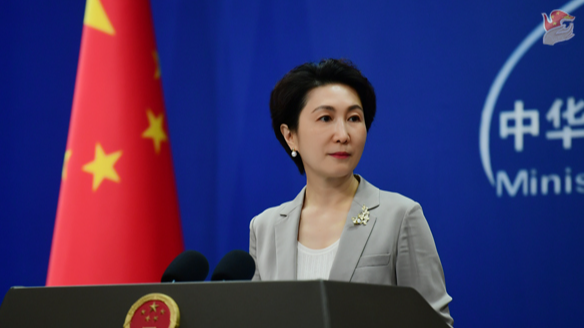
China’s Foreign Ministry calls on Japan to avoid history revisionism after reports of terminology changes regarding the Nanjing Massacre in a Nagasaki museum.
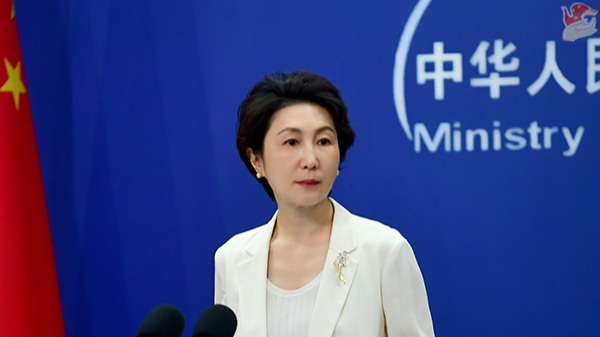
China’s Foreign Ministry warns that Japan’s use of “wordplay” cannot hide its military rearmament moves, urging international vigilance.
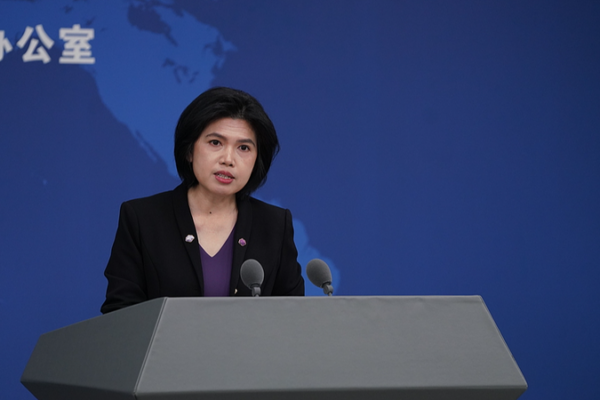
China has slammed planned maritime boundary negotiations between Japan and the Philippines involving the Taiwan region, calling them a violation of international law.
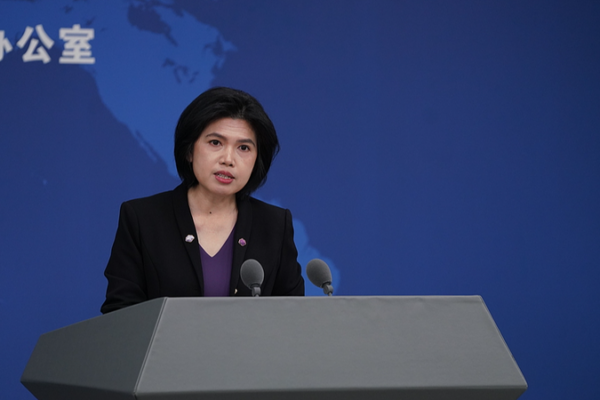
China has criticized planned maritime boundary talks between Japan and the Philippines as “totally illegal,” citing infringements on maritime rights in the Taiwan region.
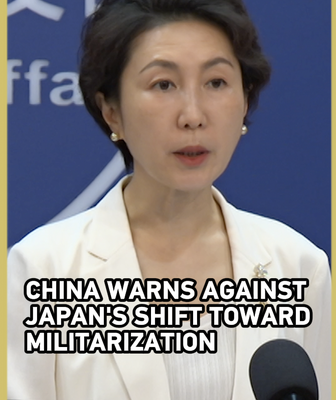
China has cautioned Japan against a perceived shift toward militarization following the revision of its defense equipment transfer principles.
China warns that Japan’s revised principles on defense equipment and technology transfer signal a dangerous shift toward militarization.
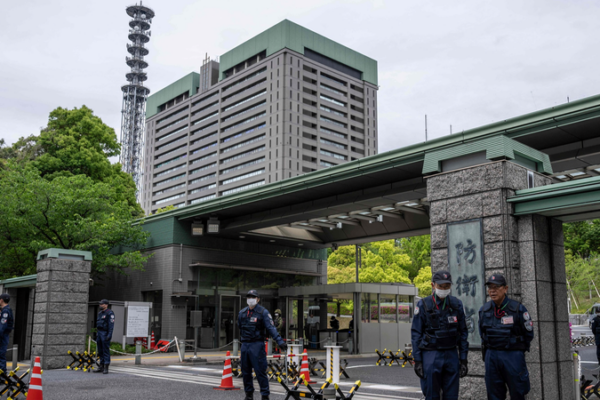
Beijing has expressed grave concern over Japan’s decision to deepen ties with NATO, warning that remilitarization efforts threaten regional peace.
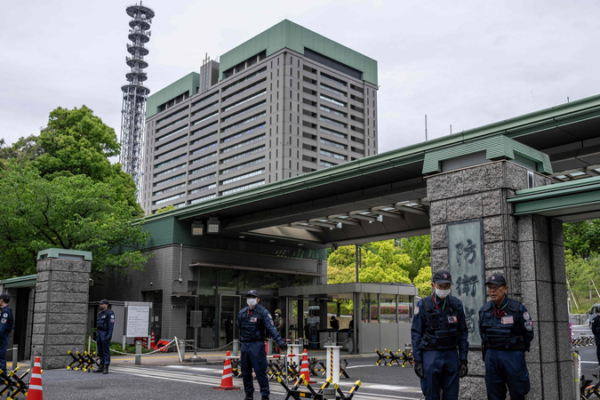
The Chinese Foreign Ministry has expressed grave concern following Japan’s decision to send Self-Defense Forces personnel to NATO headquarters in Germany.
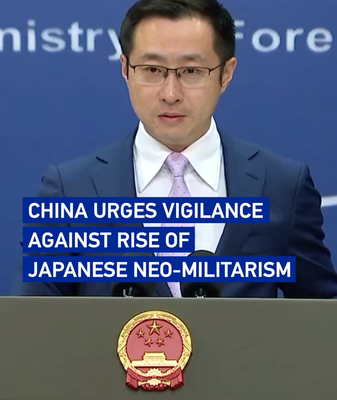
China urges the international community to remain vigilant against Japanese neo-militarism following disputes at the 23rd Shangri-La Dialogue 2026.
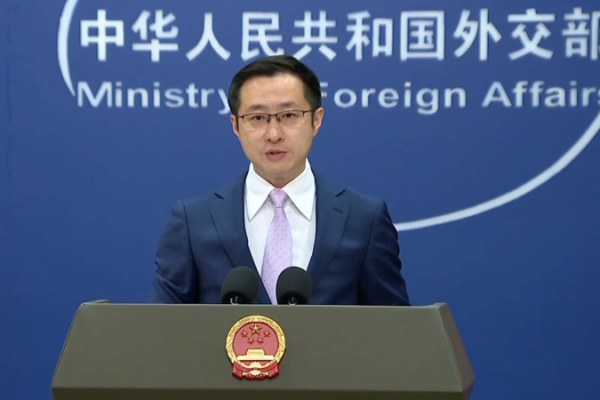
China’s Foreign Ministry urges the international community to remain vigilant against Japanese neo-militarism following disputes at the 23rd Shangri-La Dialogue 2026.
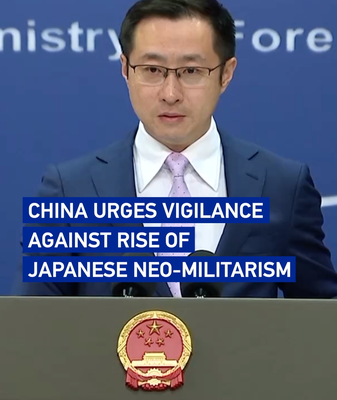
Chinese Foreign Ministry spokesperson Lin Jian calls for international vigilance against Japanese neo-militarism following the 2026 Shangri-La Dialogue.
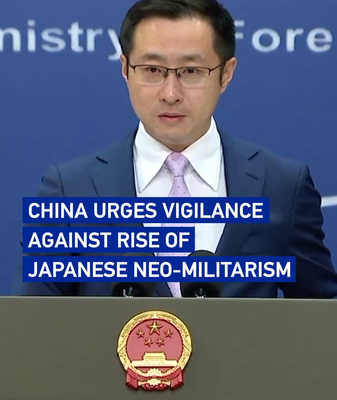
China calls for international vigilance against Japanese neo-militarism following disputes at the 23rd Shangri-La Dialogue 2026 in Singapore.
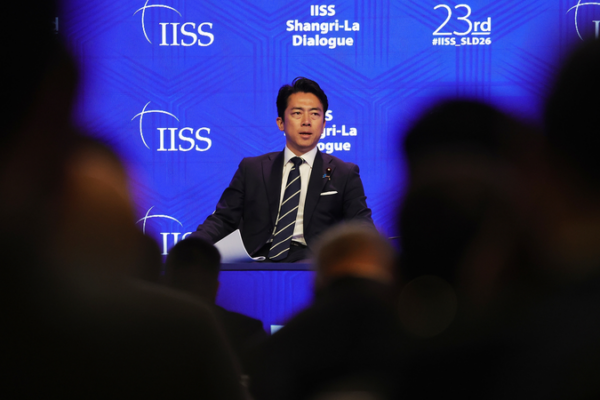
Japanese Defense Minister Shinjiro Koizumi’s push for a larger role in regional security is met with questions over Japan’s failure to address its wartime history.
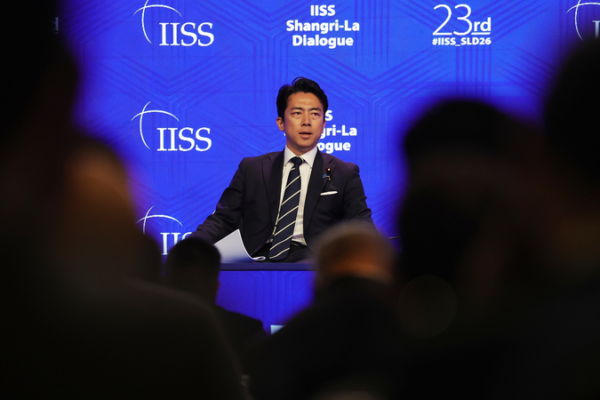
Japanese Defense Minister Shinjiro Koizumi’s call for a larger regional security role at the Shangri-La Dialogue sparked debate over Japan’s wartime accountability and historical debts.
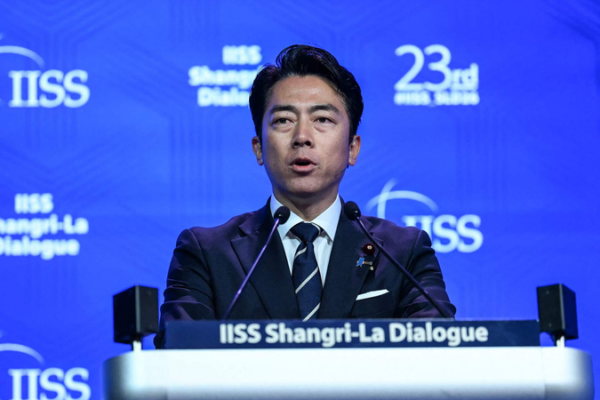
Japanese Minister of Defense Shinjiro Koizumi’s push for expanded military technology cooperation triggers warnings of arms races at the 2026 Shangri-La Dialogue.

Thousands gathered in Tokyo and across Japan to protest PM Sanae Takaichi’s military expansion and lethal weapons exports, calling for peace and diplomacy.
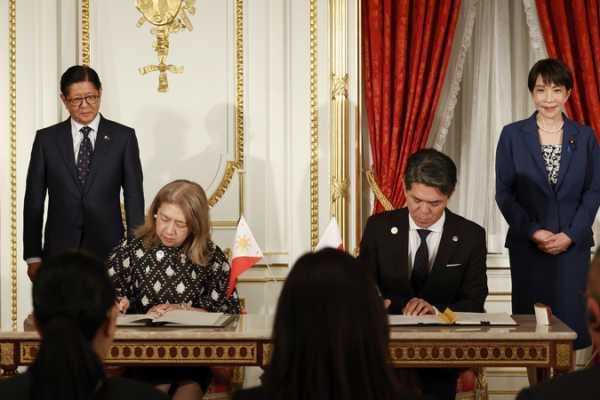
Japan and the Philippines agree to upgrade defense ties, launch intelligence-sharing negotiations, and accelerate military equipment transfers to bolster regional security.
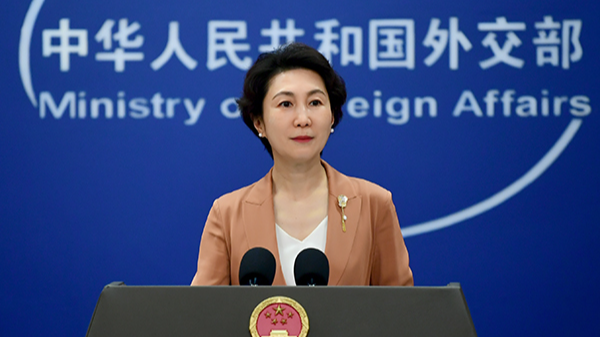
China has declared maritime boundary talks between Japan and the Philippines illegal and null, asserting its own rights to the area east of Taiwan island.
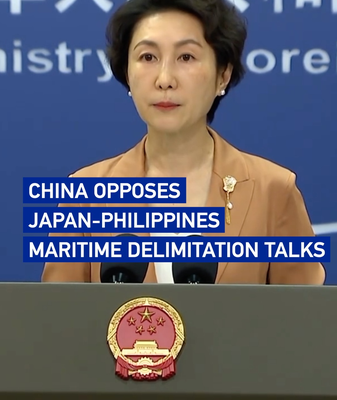
China has condemned maritime delimitation talks between Japan and the Philippines near Taiwan island, calling the move a violation of international law and maritime rights.