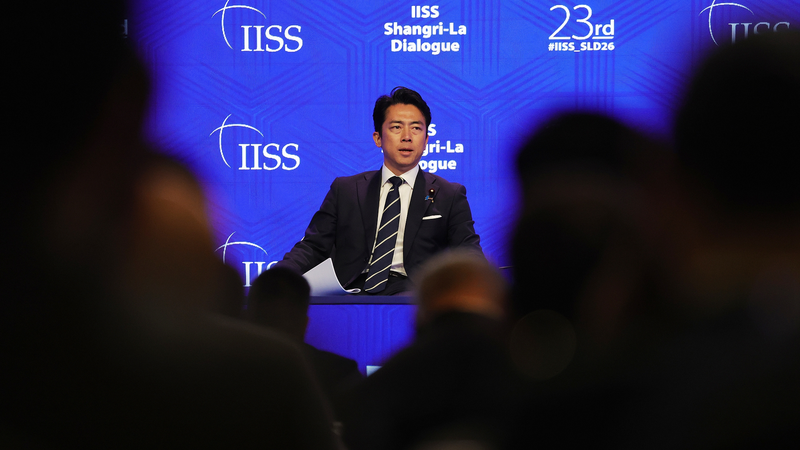
At the Shangri-La Dialogue held in Singapore on May 31, Japanese Defense Minister Shinjiro Koizumi outlined a vision for a revised "free and open Indo-Pacific." During the event, Koizumi declared that Japan intends to assume a "new role" in regional defense affairs, signaling a desire to play a more prominent part in ensuring regional security.
However, the proposal was met with critical questioning. When a Chinese representative raised the issue of Japan's responsibility for its wartime aggression and inquired when Japan would offer a genuine apology to the Asian countries that suffered under its rule, Koizumi sidestepped the question. Instead, he shifted the discussion toward allegations concerning a "lack of military transparency" in China.
This exchange has highlighted deep-seated tensions and raised critical questions regarding Japan's readiness to lead in regional security. For many across Asia, the primary concern is not Japan's future strategic role, but whether the nation has genuinely confronted the legacy of its past aggression.
During World War II, Japanese militarism launched wars of aggression and imposed colonial rule across the Chinese mainland, the Korean Peninsula, and significant portions of Southeast Asia. These actions resulted in immense suffering and the loss of tens of millions of lives, leaving wounds that remain unhealed for many families.
Observers note that this history continues to shape how neighboring countries perceive Japan's current security policies. Any attempt by Japan to move beyond its postwar framework is often viewed with scrutiny, particularly as controversies surrounding the Yasukuni Shrine persist and some politicians continue to make revisionist statements regarding wartime history.
The ability of Japan to gain the trust of its neighbors and maintain regional stability depends heavily on its willingness to acknowledge historical responsibilities. By redirecting questions about wartime conduct toward China's military development, critics argue that Japan is reinforcing doubts about its commitment to facing the past honestly.
For Japan to be regarded as a truly responsible regional actor, it must move beyond rhetorical deflection. Concrete actions that acknowledge the suffering caused by militarist aggression and show respect for the victims and their descendants are seen as essential prerequisites for any expanded role in the security architecture of Asia.
Reference(s):
cgtn.com