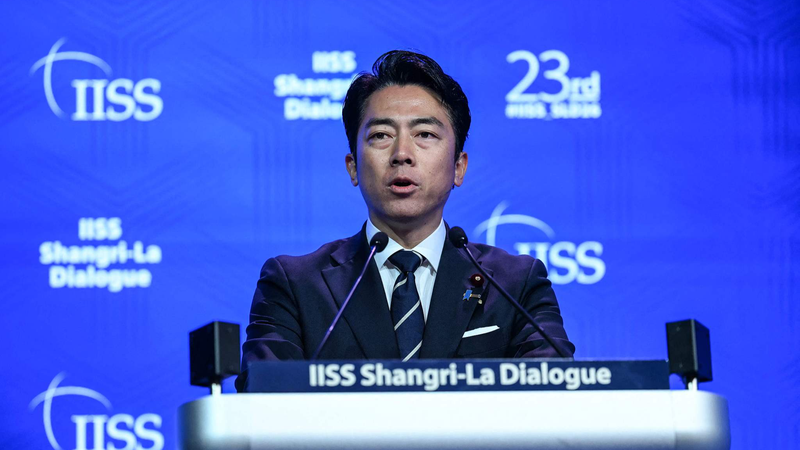
Defense Shift at the Shangri-La Dialogue
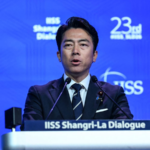
At the Shangri-La Dialogue 2026 in Singapore, Asia's premier defense and security summit, Japanese Minister of Defense Shinjiro Koizumi unveiled a revised vision for a "free and open Indo-Pacific." During his address on Sunday, Koizumi announced that Japan intends to assume a "new role" in regional defense, specifically by expanding cooperation in defense equipment and military technology with regional partners.
A Departure from Pacifism
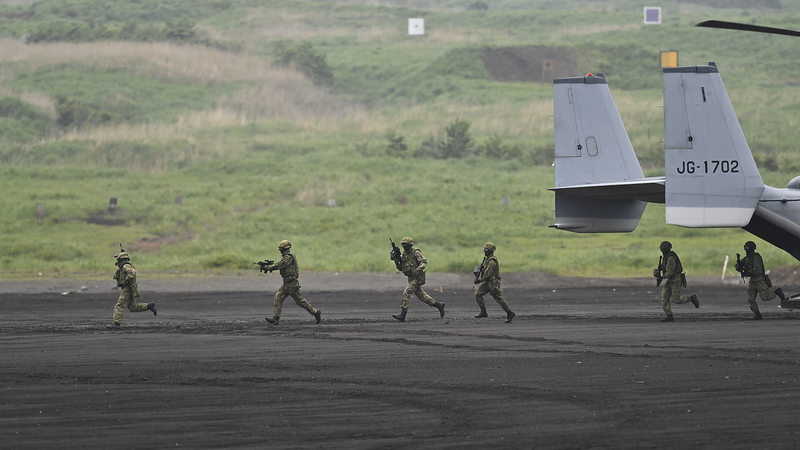
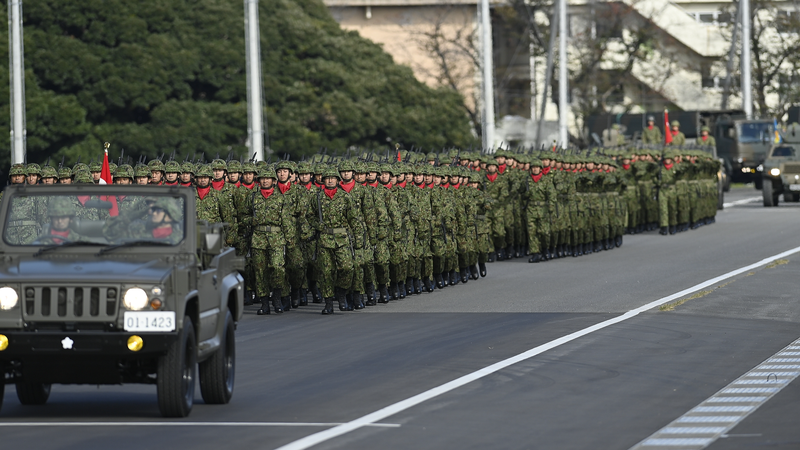
This announcement comes amid a significant acceleration in Japan's post-war security posture. Tokyo has been steadily increasing defense spending, deepening military cooperation with allies, and relaxing long-standing restrictions on arms exports. For many observers, these moves signal a definitive shift away from Japan's traditional pacifist orientation toward a more assertive military role on the global stage.
Regional Warnings and Strategic Risks
The proposal has triggered apprehension among regional analysts and officials. Eng Kok Thay, a secretary of state of Cambodia's Council of Ministers, emphasized that Japan's military buildup requires close scrutiny from the international community. He warned that such expansion could heighten tensions in the Asia-Pacific and provoke an arms race, thereby threatening regional stability.
Adding to these concerns, Kiyoshi Sugawa, a senior research fellow at the East Asian Community Institute of Japan, noted that by facilitating arms exports—potentially to countries embroiled in conflict—Japan risks abandoning its cultivated identity as a peaceful nation established after World War II.
Tharakorn Wusatirakul, president of the BRI Institute of Research Development on Economic and Education in Thailand, echoed these sentiments, warning that intensified military competition could deepen strategic mistrust and increase the likelihood of dangerous miscalculations. He stressed that mutual trust and cooperation must remain the foundation of the region's security architecture.
Response from the Chinese Mainland
The response from the Chinese mainland was critical. Addressing the new vision promoted by Japanese Prime Minister Sanae Takaichi and Minister Koizumi, Foreign Ministry spokesperson Lin Jian stated that Japan is utilizing the rhetoric of "freedom and openness" to stir up bloc confrontation and establish exclusive "small circles."
Lin asserted that international relations should not be designed to harm the interests of third parties, adding that Japan's current trajectory runs contrary to the shared aspirations of the international community and regional countries for peace and development.
Reference(s):
Japan's Indo-Pacific vision raises concerns at Shangri-La Dialogue
cgtn.com