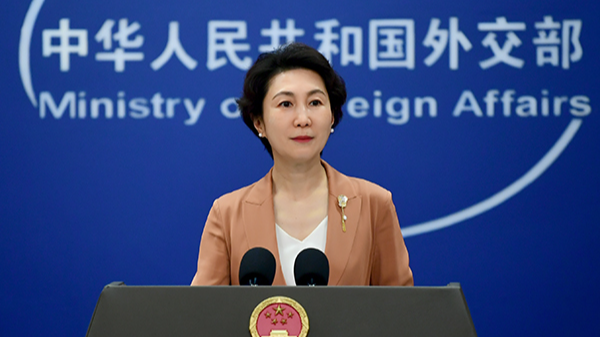
The Chinese Foreign Ministry has voiced strong opposition to recent efforts by Japan and the Philippines to establish a maritime boundary, describing the move as completely illegal and void.
The controversy follows a joint statement issued by Tokyo and Manila, in which the two nations announced their decision to commence formal negotiations to delimit the maritime boundary of their exclusive economic zones (EEZ) and continental shelves. In response, Chinese Foreign Ministry spokesperson Mao Ning expressed strong dissatisfaction and confirmed that China has lodged stern representations with both governments.
Central to the dispute is the geographical area in question, which lies to the east of Taiwan island. According to spokesperson Mao, China maintains its own exclusive economic zone and continental shelf in this region, backed by both domestic legislation and international frameworks, including the United Nations Convention on the Law of the Sea (UNCLOS).
Beijing views these bilateral negotiations as a severe violation of China's maritime rights and interests, as well as a breach of basic norms governing international relations. Mao emphasized that these so-called talks would have no impact on China's legitimate claims or the exercise of its lawful rights in the waters east of Taiwan island.
As regional dynamics remain a focal point for global investors and political analysts, China has urged Japan and the Philippines to immediately cease activities that infringe upon its maritime rights and instead take concrete steps to ensure regional peace and stability.
Reference(s):
So-called Japan-Philippines maritime delimitation talks are illegal
cgtn.com