Iran Sets Strict Preconditions for Renewed US Talks Amid Fragile Ceasefire
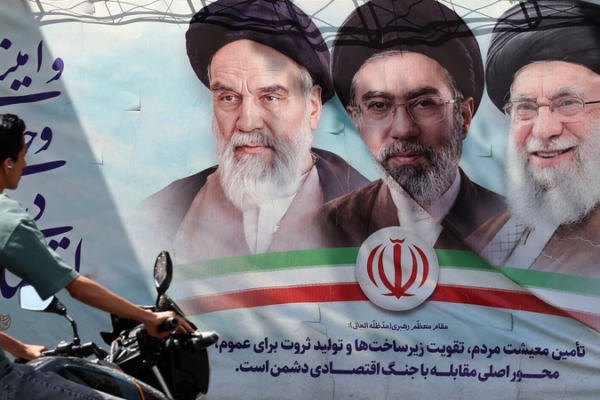
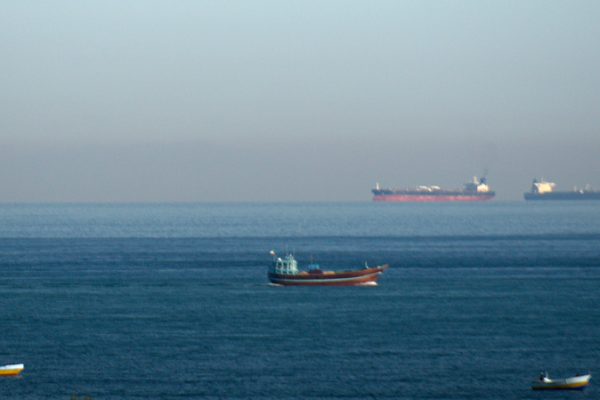
Iran demands an end to hostilities and sanctions relief before resuming talks with the US, as regional tensions spike in the Strait of Hormuz following the 2026 conflict.
News & Insights Across Asia
Iran demands an end to hostilities and sanctions relief before resuming talks with the US, as regional tensions spike in the Strait of Hormuz following the 2026 conflict.
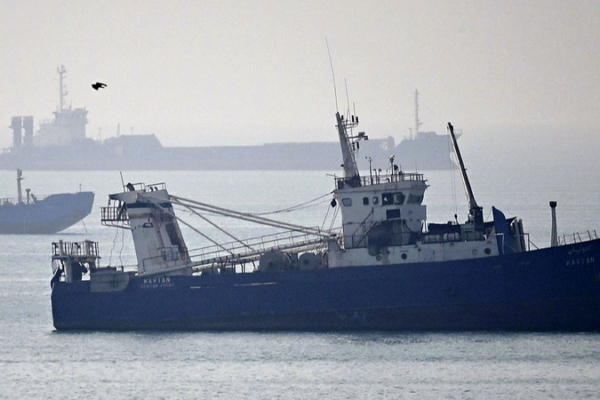
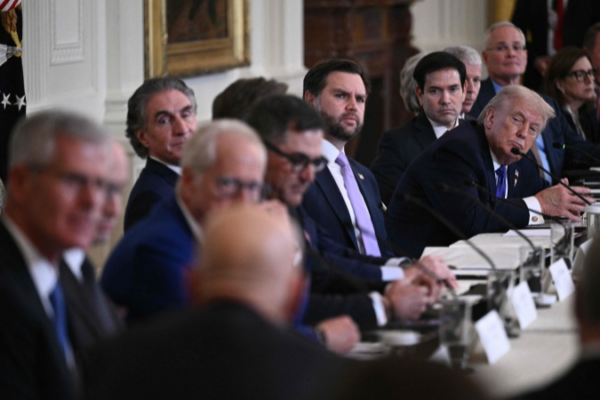
US President Donald Trump and Iran’s military command offer opposing views on damage to naval vessels in the Strait of Hormuz following alleged ceasefire violations.
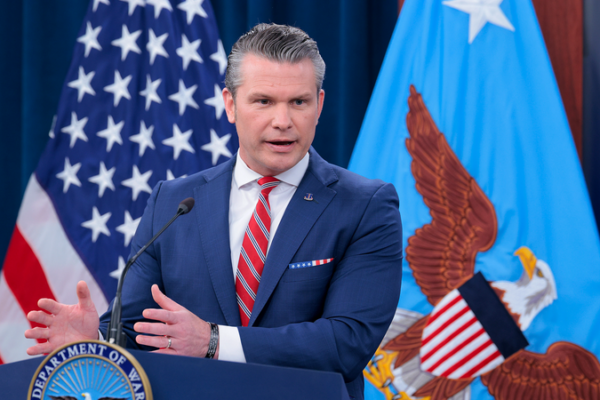
US Defense Secretary Pete Hegseth asserts the ceasefire with Iran persists despite “Project Freedom,” a naval operation to break the blockade of the Strait of Hormuz.
Iran warns of a new ‘terrifying’ naval weapon as the US vows to maintain its blockade near the Strait of Hormuz, escalating tensions with global economic implications.
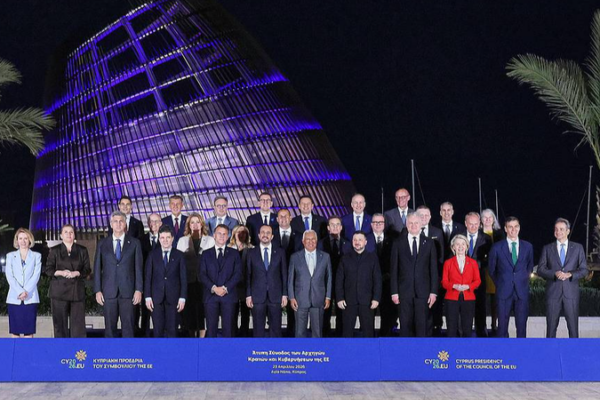
The EU has approved a €90 billion loan for Ukraine’s 2026-2027 needs and a new round of sanctions targeting Russia’s energy sector and trade.
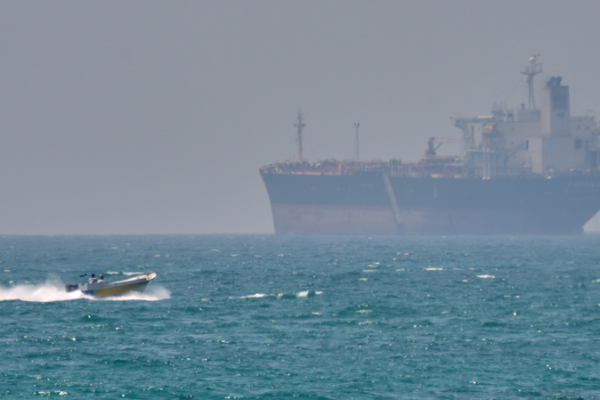
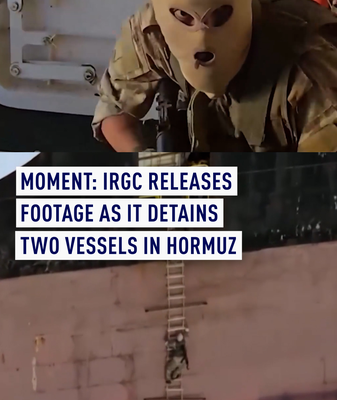
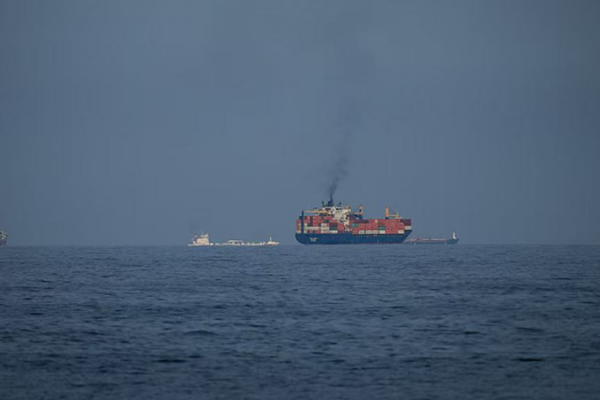
Tensions spike as the US and Iran release videos of troops boarding commercial ships in the Gulf, raising fears of a wider conflict.
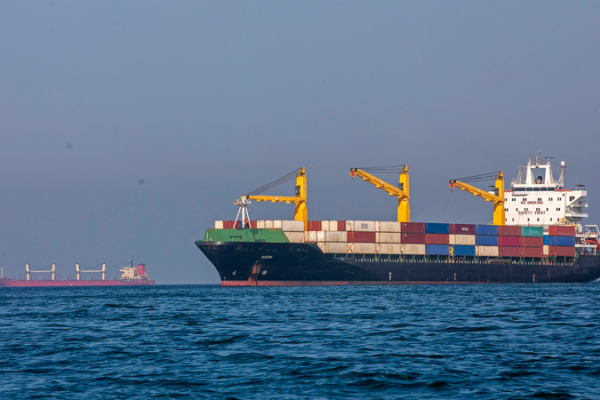
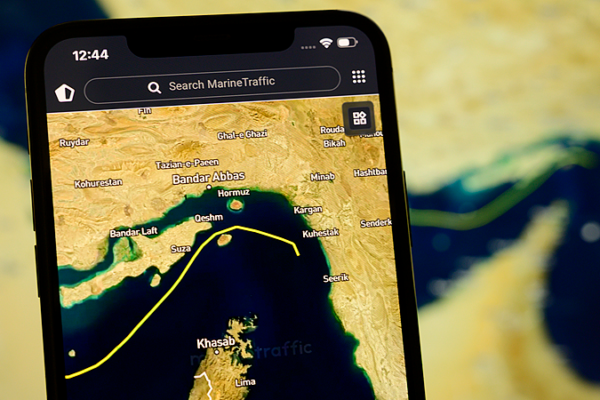
The US blockade of the Strait of Hormuz threatens global energy markets and risks escalating regional tensions, as experts question its long-term sustainability.
Japan announces additional oil reserve release from May 2026 to stabilize supply amid Middle East disruptions, diversifying import routes and prioritizing critical sectors.
Iran’s Foreign Minister warns Trump’s recent threats could destabilize global energy markets and economic stability, per Al Jazeera report.
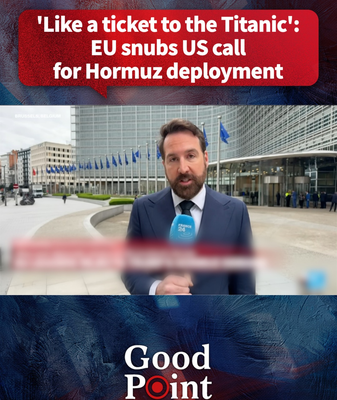
European allies reject US-led Hormuz security plan, with French officials warning of ‘Titanic’-level risks to global energy markets and regional stability in 2026.
Amid rising tensions, US hesitations over escorting ships through the Strait of Hormuz highlight strategic risks and global energy concerns in 2026.
The US expands Venezuela sanctions waivers to boost energy investment and stabilize commodity markets amid rising global prices.
U.S. Treasury eases Russian oil sanctions to stabilize global energy prices, causing immediate market reactions and geopolitical implications.
The U.S. announces a policy shift allowing Venezuelan oil resale to Cuba’s private sector, easing restrictions for humanitarian and commercial use in 2026.
Experts analyze Venezuela’s 2026 resource challenges and implications for global energy partnerships, examining modern economic pressures in volatile markets.
Recent US military action in Venezuela triggers global debate about energy governance, with significant implications for Asian markets and regional security strategies.
Chris Wright, CEO of Liberty Energy since 2011, has been confirmed by the U.S. Senate as President Donald Trump’s new energy secretary, signaling potential shifts in U.S. energy policy and global markets.
At COP29 in Baku, China’s Vice Premier Ding Xuexiang called for a fundamental shift in global development patterns to tackle climate change, urging collective action and greater support from developed nations.
According to the IEA’s World Energy Outlook 2024, clean energy growth is expected to peak global fossil fuel demand by 2030, marking a significant shift in the global energy landscape.
China leads the global solar revolution, producing 70-80% of the world’s installed solar capacity since 2006. As the world aims to triple renewable energy by 2030, China’s role is both pivotal and controversial.