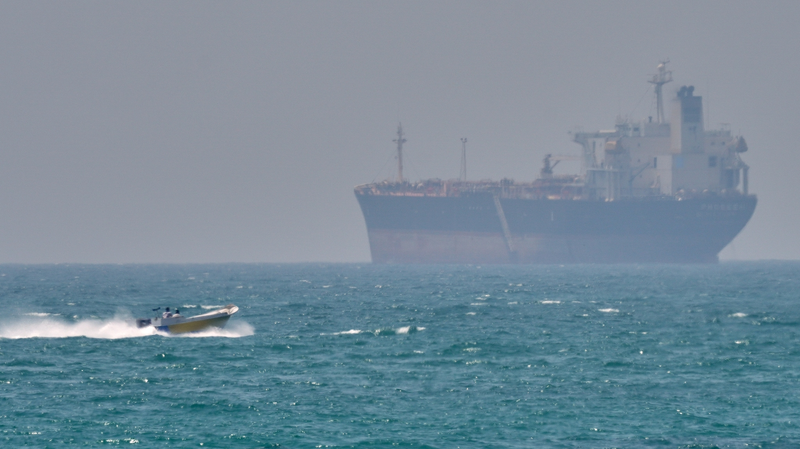
Tensions in the strategic waterways of the Middle East have intensified significantly this week, following a stark warning from an Iranian naval commander and a reaffirmation of a U.S. naval blockade. The developments underscore a fragile and potentially volatile situation with significant implications for global energy security and regional stability.
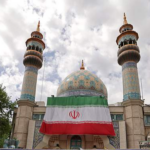
The latest escalation began on Wednesday, April 29, 2026, when Iranian naval commander Shahram Irani declared that Tehran would soon unveil what he described as a "terrifying weapon" for use at sea. The announcement, reported by Iranian state media, came with a warning that Iranian forces would respond swiftly to any further U.S. military action. This statement is framed by Iranian officials as part of a growing suite of deterrence capabilities designed to counter perceived American pressure.
On the other side of the strategic standoff, the United States has maintained its position. U.S. President Donald Trump stated that Washington would continue its naval blockade of Iran until Tehran agrees to a comprehensive nuclear deal that addresses U.S. concerns. President Trump explicitly rejected proposals to first lift restrictions and reopen the vital Strait of Hormuz, asserting that maintaining the economic and military pressure of the blockade is more effective than pursuing direct military confrontation.
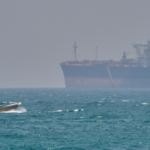
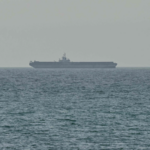
The U.S. naval blockade, a centerpiece of Washington's strategy, is reportedly incurring rising operational costs for the American military. Analysts observe that maintaining a constant naval presence in the region while managing the risks of escalation is a significant logistical and financial undertaking. Concurrently, military dynamics across the broader region continue to shift, adding layers of complexity to the U.S.-Iran rivalry.
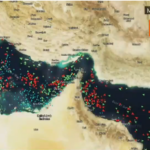
For a global audience, especially business professionals and investors monitoring Asian and Middle Eastern markets, the situation carries direct economic weight. The Strait of Hormuz is a critical chokepoint for global oil shipments, and prolonged instability threatens to disrupt supply chains and inflate energy prices worldwide. The specter of a new, undisclosed Iranian naval weapon introduces an additional element of uncertainty into an already tense maritime environment.
Academics and regional experts point to the current impasse as a test of diplomatic resolve and strategic patience. The interplay between military posturing, economic pressure, and the potential for miscalculation creates a dangerous cocktail. The international community, including many Asian nations dependent on stable energy imports, watches closely, hoping for a de-escalation that has so far remained elusive.
As of late April 2026, the situation remains at a stalemate, with both sides publicly digging in their heels. The coming weeks will be crucial in determining whether this war of words and naval positioning leads to open conflict or, as some hope, creates the necessary pressure for a return to negotiations.
Reference(s):
cgtn.com