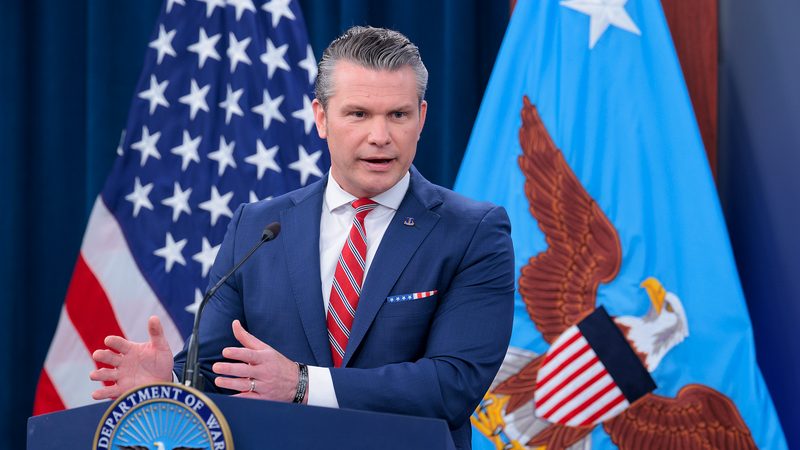
In a complex geopolitical standoff, US Defense Secretary Pete Hegseth announced on Tuesday that the ceasefire with Iran remains in effect, despite an increase in military exchanges in the Gulf. The statement comes as the United States and Iran wrestle for control of the Strait of Hormuz, one of the world's most critical maritime chokepoints.
Securing the Waterway
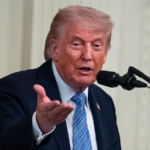
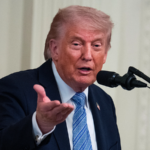
The current escalation is centered around "Project Freedom," a naval campaign launched by President Donald Trump to break a blockade Iran has asserted over the Strait of Hormuz since the conflict began on February 28. Secretary Hegseth stated that the US has successfully secured a path through the waterway, allowing hundreds of commercial ships to begin lining up for passage.
"We know the Iranians are embarrassed by this fact," Hegseth told a Pentagon news conference, challenging Iran's claims of total control over the strait.
Military Clashes and Regional Impact
The operation has already seen significant kinetic activity. The US military reports sinking six Iranian small boats and intercepting various cruise missiles and drones. These actions followed the deployment of the US Navy to escort stranded tankers.
The tension has spilled over into neighboring territories. General Dan Caine, chairman of the Joint Chiefs of Staff, revealed that on Monday, Iran launched one attack on Oman and three attacks on the United Arab Emirates. While Caine noted that Tuesday has been "quieter," he highlighted a troubling trend since the April 7 ceasefire: Iran has fired at commercial vessels nine times, seized two container ships, and attacked US forces on more than 10 occasions.
The Human and Economic Cost
The blockade has had a profound impact on global trade and energy supplies. Before the war, the Strait of Hormuz carried a fifth of the world's oil and liquefied natural gas. Currently, General Caine estimates that over 1,550 commercial vessels, carrying approximately 22,500 mariners, remain stuck in the Gulf.
Secretary Hegseth emphasized that the US Central Command (CENTCOM) is in active communication with shipping companies and insurers worldwide to help these vessels escape what he described as an "Iranian trap." la
A Strategic Standoff
While the US Navy is simultaneously enforcing a maritime blockade on Iran to pressure the nation into a deal on Washington's terms, Tehran has remained defiant. Iranian officials have countered that there is no military solution to the crisis and have threatened to continue fighting indefinitely.
Despite the violence, US officials maintain that current attacks fall below the threshold of restarting major combat operations. When asked directly if the ceasefire still held, Hegseth was firm: "No, the ceasefire is not over," asserting that the US will continue to defend its interests aggressively.
Reference(s):
cgtn.com